1. Introduction
Tilapia (Oreochromis niloticus) is a freshwater fish of major economic and nutritional value in global aquaculture. In Sri Lanka, particularly in the Batticaloa and Ampara districts, tilapia is widely used in the production of smoked fish. The increasing consumption of tilapia is largely attributed to its high nutritional quality, as it provides substantial amounts of protein and health-promoting polyunsaturated fatty acids (PUFAs) (de Mendonça Silva and Gonçalves, 2017). These PUFAs include omega-6 fatty acids, such as arachidonic acid, and omega-3 fatty acids, notably eicosapentaenoic acid (EPA) and docosahexaenoic acid (DHA), which play essential roles in maintaining human and animal health (Jeong et al., 2024). Due to its relatively high lipid content and richness in omega-3 fatty acids, tilapia has a greater capacity to retain smoke-derived compounds compared to lean fish species (Abraha et al., 2018; Puke and Galoburda, 2020).
Smoking techniques are commonly classified by the method used to introduce smoke into fish products. According to the operating temperature of the smoking chamber, smoking processes are generally divided into cold, warm, and hot smoking. A wide range of commercially important fish species are suitable for hot-smoking applications (Belichovska et al., 2019). During hot smoking, temperatures typically range from 80°C to 170°C, resulting in complete protein denaturation and the inactivation of endogenous enzymes. Hot-smoked fish products usually have relatively low salt content and high moisture content, resulting in a soft, succulent texture with a mild smoky aroma. However, due to these characteristics, such products have a limited shelf life (Adeyeye, 2019). Cold smoking, by contrast, is conducted at temperatures between 20 and 30°C and is mainly practiced in countries where refrigeration and other preservation technologies are readily available. This method is primarily intended to impart a characteristic smoky flavor while maintaining the nutritional quality of the fish (Birkeland et al., 2004). At these low temperatures, the fish develops a smoky taste while remaining largely uncooked and retaining its original texture (Rørå et al., 2005). Smoking provides important preservative effects by reducing moisture content and by the action of antimicrobial compounds. Smoking reduces the moisture content of the fish, thereby decreasing water activity and reducing microbial activity. In addition, wood degradation produces phenols and other volatile compounds that create the characteristic smoky flavor. These phenolic compounds also exhibit antioxidant and antimicrobial properties, helping to delay lipid oxidation and inhibit microbial growth. Therefore, smoking enhances sensory quality while contributing to extending shelf life, depending on processing and storage conditions (Pittia and Antonello, 2016).
In recent years, there has been growing interest in integrating plant-derived bioactive compounds with food processing technologies to enhance the preservation of seafood products. Despite this trend, limited research has examined the application of natural antimicrobial and antioxidant agents as supplementary preservation barriers in smoked seafood products (Presenza et al., 2023). Plant leaves, in particular, possess notable antibacterial and antifungal activities against a wide range of microorganisms, contributing to protection against environmental and foodborne pathogens (Hintz et al., 2015). Traditionally, leaves have been used as natural wrapping materials during steam cooking, imparting unique sensory attributes, including characteristic aromas and flavors, through the gradual release of their bioactive constituents (Kora, 2019). The high polyphenolic content of many edible leaves allows these compounds to migrate into food matrices, making them effective sources of natural antioxidants (Kasote et al., 2015). Historically, leaves were widely used to package food, a practice that continues in rural communities today. These leaves are also rich in flavonoids and have been reported to exhibit a broad range of biological activities, including antimicrobial, anti-inflammatory, analgesic, antipyretic, anthelmintic, antioxidant, and wound-healing effects (Danna et al., 2022). Moreover, leaves such as kenda (Macaranga peltate), Tea (Camellia sinensis), and Lotus (Nelumbo nucifera) serve as natural protective layers, minimizing moisture loss, promoting flavor transfer, and releasing antioxidant and antimicrobial phytochemicals into food products (Rahmadhia et al., 2019; Sari et al., 2023).
A major concern associated with traditional fish-smoking practices is the formation of carcinogenic compounds, particularly polycyclic aromatic hydrocarbons (PAHs), which are commonly generated during direct hot-smoking processes. Conventional smoking techniques tend to produce higher concentrations of these harmful compounds compared with liquid smoking methods, where processing conditions can be more precisely controlled. In light of these concerns, the present study aims to evaluate the influence of smoke generated by different firewood types, combined with leaf wrapping, on the physicochemical properties of tilapia (O. niloticus) subjected to hot-smoking conditions (Kocbach Bølling et al., 2009).
2. Materials and methods
Fresh Tilapia (O. niloticus) of uniform size, the same sex, and weight were collected from the Handapanagala Reservoir in Sri Lanka. Samples were transported to Uva Wellassa University in insulated boxes with crushed ice to maintain temperatures below 4°C. After receiving the samples, they were filleted to a uniform thickness (1.5±0.2 cm) and salted using a 1.5% (w/w) brine concentration identified through preliminary sensory trials and stored in frozen conditions (-20°C) using vacuum packaging.
Cinnamon (Cinnamomum zeylanicum) and Mahogany (Swietenia macrophylla) were collected from local timber suppliers for use as firewood. As wrapping materials, fresh leaves of tea (C. sinensis), kenda (M. peltata), banana (Musa spp.), betel (Piper betle), lotus (N. nucifera), and black pepper (P. nigrum) were collected from organic gardens around the university premises.
To standardize the smoking process and determine optimal conditions for producing smoked O. niloticus, a series of preliminary trials was conducted by manipulating key processing variables. Fillets of uniform size were first prepared in four thicknesses (0.5, 1.0, 1.5, and 2.0 cm) and smoked under identical conditions to identify the most suitable thickness. Four salt concentrations (0.5-2.0%) were then evaluated to determine the level that best enhanced flavor and preservation. Optimal hot-smoking time-temperature combinations were subsequently assessed using controlled profiles. The influence of three locally available firewood types, cinnamon (C. verum), mahogany (S. macrophylla), and cardamom (Elettaria cardamomum), was tested while maintaining constant smoking parameters. Six natural leaf wraps-Tea (C. sinensis), kenda (M. peltata), Banana (Musa spp.), Betel (P. betle), Lotus (N. nucifera), and Black pepper (P. nigrum) were individually applied to evaluate their effects on flavor infusion, aroma enhancement, and moisture retention. After identifying the most favorable firewood and leaf types, selected combinations were further examined to assess potential synergistic effects on the sensory quality of smoked tilapia under standardized smoking conditions.
Sensory evaluation was conducted to assess the quality attributes of smoked O. niloticus samples. According to Pittia and Antonello (2016), sensory evaluation was performed with 30 untrained panelists aged 20-24 years, representing both sexes, with some modifications. Twelve treatments, based on preliminary trials, were prepared as equal-sized portions and served on white, odor-free plates to minimize bias. Panelists evaluated each attribute using a seven-point hedonic scale (1=dislike very much; 7=like very much), and all responses were recorded for further statistical analysis. Ethical approval for this study was obtained from the Institutional Ethics Review Committee of Uva Wellassa University (Approval No: UWU/REC/2025/11).
Fish samples (2 g) and 18 mL of distilled water (DW) were mixed and homogenized. A pH meter (PL-700PV, EZDO, Taipei City, Taiwan) was used to measure the pH of the filtrate after the homogenate was filtered through Whatman No. 4 filter paper (Whatman, Seoul, Korea). The pH was measured on days 1, 3, 5, and 7 under frozen conditions (-20°C).
The TBARS values of the smoked tilapia samples were evaluated using the procedure described by Ahn et al. (1998). Approximately 5 g of the minced fish sample was homogenized by adding 50 μL of butylated hydroxytoluene (7.2% in ethanol, w/v) and 15 mL of distilled water in a 50 mL test tube. After homogenization, 2 mL of the fish sample was transferred to a disposable test tube, and 4 mL of thiobarbituric acid/trichloroacetic acid (TCA) solution (20 mM TBA in 15% w/v TCA) was added. After the mixture was thoroughly shaken, it was allowed to stand in a constant-temperature water bath at 90°C for 15 min to develop color, then cooled for 15 min. Then the supernatant was centrifuged at 1,107 ×g for 15 min at 4°C using a centrifuge, and the absorbance was measured at 531 nm using a UV-Vis spectrophotometer. 1 mL of distilled water and 2 mL of the TBA/TCA solution were mixed to prepare a blank. The TBARs level is expressed as mg of malonaldehyde (MDA) per kg of the meat sample. TBARs were determined on days 1, 3, 5, and 7 under frozen conditions (-20°C).
The 2,4-dinitrophenyl hydrazine (DNPH) assay was used to determine the amount of protein carbonyls in the fish sample, as described by Alinasabhematabadi (2015). A 3 g sample was combined with 30 mL of phosphate buffer (20 mM, pH 6.5, containing 0.6 M NaCl) and thoroughly homogenized. From this mixture, two aliquots of 0.2 mL each were taken for analysis. Both aliquots were treated with 1 mL of ice-cold 10% trichloroacetic acid (TCA) and placed in cold water for 15 min. They were then centrifuged at 2,000 ×g for 30 min. After discarding the supernatant, the residue was mixed with 1 mL of TCA, and the above procedure was repeated. A 0.5 mL solution of DNPH [10 mM DNPH dissolved in 2.0 M hydrogen chloride (HCl)] was applied to one aliquot for treatment. 0.5 mL of 2.0 M HCl was used as the blank for another aliquot. The samples were covered with aluminum foil and vortexed for 1 h using a vortex machine (Model No. M 15, Vortex, Milano, Italy). The sample was mixed with 0.5 mL of ice-cold 20% TCA solution, vortexed, and then placed in an ice bath for 15 min. Then, 1.0 mL of ethanol/ethyl acetate (1:1, V/V) was added after centrifugation at 2,000 ×g for 20 min, and the supernatant was discarded. Next, the samples were vortexed and centrifuged at 2,000 ×g for 20 min. This procedure was repeated three times. The pellets were kept in a hood for 15 min after the supernatant was removed. The pellets were dissolved in 1 mL of 6.0 M guanidine hydrochloride, prepared in 20 mM phosphate buffer at pH 6.5. This mixture was vigorously vortexed for 30 min, covered with aluminum foil to protect it from light. Centrifugation was conducted on the final solution at 9,500 ×g for 10 min. Absorbance was measured at 280 and 370 nm on days 1, 5, and 7 under frozen conditions (-20°C). This equation was used to compute the carbonyl concentration.
The antioxidant activity of smoked thilapia was evaluated using the 2,2-diphenyl-1-picrylhydrazyl (DPPH) radical-scavenging activity according to Ceylan et al. (2019). Firstly, homogenization was performed using a 2 g sample and 18 mL DW. After filtration through Whatman No. 4 paper (Whatman, Seoul, Korea), 3 mL of filtrate was centrifuged at 3,000 ×g for 10 min. The supernatant (0.4 mL), DW (1.6 mL), and DPPH solution (2 mL) were mixed by vortexing and incubated in the dark at room temperature for one hour. The absorbance was measured at 517 nm on days 1, 3, 5, and 7 under frozen conditions (-20°C). 2 mL of DW and 2 mL of methanol were combined to create a blank solution. 2 mL of the DPPH solution and 2 mL of distilled water were combined to create the control solution. The scavenging activity was computed with the following formula;
Volatile compounds formed during the smoking of O. niloticus with different leaf wraps were identified using Gas Chromatography-Mass Spectrometry (GC-MS) following a liquid-liquid extraction (LLE) method. Approximately 5 g of each smoked fish sample were homogenized and transferred into a glass vial. To each sample, 10 mL of distilled water, 20 μL of n-octane (internal standard), and 1.5 mL of dichloromethane (CH2Cl2) were added, and the mixture was vortexed vigorously for 5 min. The samples were centrifuged at 4,000 rpm for 5 min to facilitate phase separation. This extraction process was repeated twice to ensure maximum recovery of volatile compounds. The organic layer (containing CH2Cl2 and volatiles) was separated and concentrated from 1 mL to 0.1 mL using a gentle stream of nitrogen gas. A 1 μL volume of the concentrated extract was injected into a GC-MS system (Thermo Finnigan Trace GC coupled to a Polaris Q ion trap MS, Thermo Finnigan, Austin, TX, USA) operating in electron-impact (EI) ionization mode at 70 eV. Separations were performed on a DB-5MS capillary column (30 m×0.25 mm i.d., 0.5 μm film thickness, Agilent Technologies, Santa Clara, CA, USA), with helium as the carrier gas at a flow rate of 1.5 mL/min under constant flow conditions. The injection was conducted in splitless mode at 250°C. The GC oven was initially held at 60°C for 2 min, then ramped at 6°C/min to 240°C, which was maintained for 5 min. The ion source temperature was maintained at 230°C, and the scan range was set to m/z 40-450. Volatile compounds were identified on the initial day by comparing the obtained mass spectra and retention times with those found in the NIST mass spectral library. Emphasis was placed on identifying smoke-derived compounds, including phenols (e.g., guaiacol, eugenol), aldehydes, furans, terpenes, and other aroma-active molecules formed by the pyrolysis of both leaf and fish constituents during smoking (Mokh et al., 2024).
All experiments were conducted in triplicate (n=3), and results were analyzed using Minitab statistical software, version 17. One-way analysis of variance (ANOVA) at the 5% significance level was used to analyze the data. When significant differences were detected, means were compared using Tukey’s post hoc multiple comparisons test. The graphical presentation was prepared using R 4.5.2 and Excel 2019.
3. Results and discussion
Preliminary trials conducted to determine the optimal tilapia fillet thickness showed that samples cut to 1.5±0.2 cm produced the most desirable quality characteristics under uniform smoking conditions. This thickness allowed adequate smoke penetration while maintaining moisture and structural integrity, resulting in a balanced texture and well-developed flavor without signs of overdrying or undercooking. Evaluation of salt levels revealed clear differences among treatments, with 1.5% (w/w) salt providing the most favorable appearance, aroma, and handling quality. Lower concentrations (0.5% and 1.0%) failed to impart sufficient flavor and produced a weak surface texture, whereas the 2.0% level caused excessive surface dryness and firmness. Thus, 1.5% salt was identified as the most suitable concentration for subsequent experiments. Time-temperature optimization for hot smoking demonstrated that 80°C for 2 h and 15 min yielded the most uniform cooking, attractive color development, and desirable texture. Lower temperatures resulted in undercooked fillets, while higher temperatures led to surface charring and moisture loss. Therefore, 80°C for 2 h and 15 min was selected as the optimal smoking condition for further processing and evaluation. Arannilewa et al. (2006) also reported that this combination is essential for preserving the quality of O. niloticus, further supporting the stability of the selected processing parameters in this study.
A preliminary sensory evaluation was conducted to determine the most suitable botanical leaf wrap for hot-smoked O. niloticus using two selected smoking woods, Cinnamon (C. verum) and mahogany (S. macrophylla). Six leaf wraps evaluated included banana (Musa spp.), betel (P. betle), lotus (N. nucifera), black pepper (P. nigrum), tea (C. sinensis), and kenda (M. peltate). Each leaf-wood combination was hot-smoked under standardized conditions and assessed by a sensory panel for appearance, aroma, taste, texture, juiciness, mouthfeel, and overall acceptability. Based on the sensory results, the most preferred leaf wraps were selected for subsequent physicochemical and storage analysis. Smoking with cinnamon and mahogany woods was performed on separate days under identical conditions, and the same panel evaluated all samples.
According to the sensory evaluation results, Fig. 1 illustrates the sensory profiles of samples wrapped with different leaf materials and mahogany wood fire, evaluated for appearance, aroma, taste, texture, juiciness, mouthfeel, and overall acceptability. There were no significant differences among the treatments observed sensory attributes (Kruskal-Willis test, p>0.05). However, the results showed variation among the treatments.
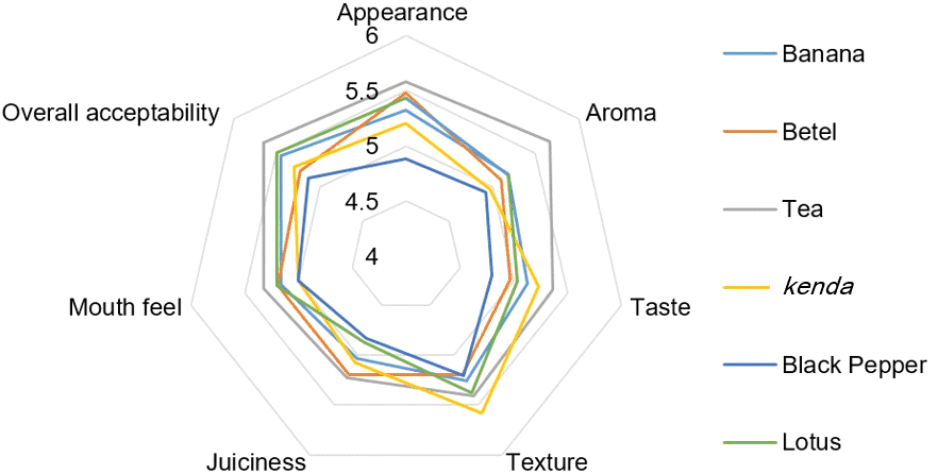
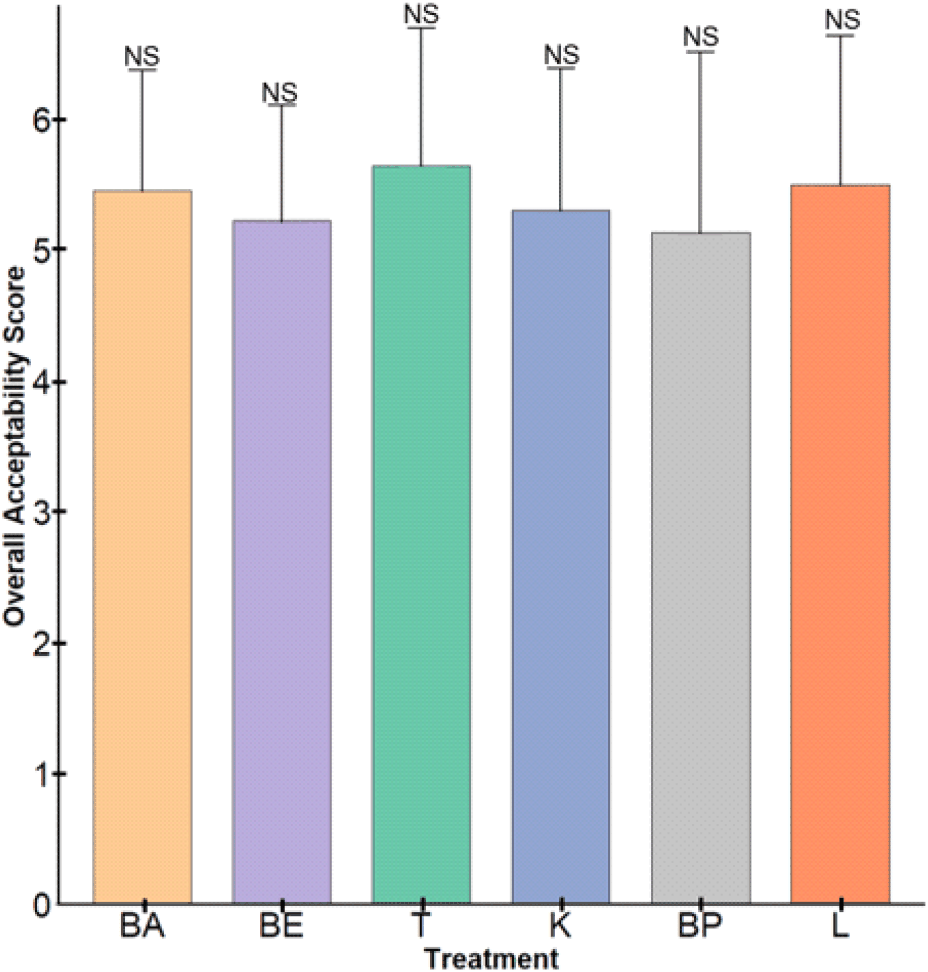
Tea-wrapped samples showed the highest sensory scores across most attributes, including appearance (5.58±1.18), aroma (5.68±1.01), taste (5.36±1.43), juiciness (5.23±1.09), mouthfeel (5.32±1.18), and overall acceptability (5.65±1.05). However, these values did not differ significantly among the other treatments (Boroski et al., 2021; Sheng et al., 2023). The elevated scores for appearance, juiciness, and mouthfeel observed in the sensory profile indicate enhanced moisture retention and effective surface protection achieved through the use of tea leaves. Taken together, the alignment between the sensory evaluations confirms that tea leaf wrapping enhances sensory qualities, leading to greater consumer acceptance (Ye et al., 2020). Lotus-wrapped samples consistently ranked the second-highest across overall acceptability and other sensory attributes. These treatments exhibited elevated scores for appearance (5.43±1.22), aroma (5.17±1.42), taste (5.03±1.40), texture (5.37±1.10), mouthfeel (5.20±1.50), and overall acceptability (5.50±1.14). While marginally below those of tea-wrapped samples, the sensory values for lotus wrapping were similar to or suppressed relative to those of the banana, betel, and kenda treatments. Notably, the overall acceptability of lotus wrapping was lower than that of tea but statistically indistinguishable from banana (p>0.05), while showing a distinct numerical advantage over betel and black pepper. The strong sensory performance of lotus wrapping is linked to both the chemical and physical attributes of lotus leaves. Moderate concentrations of phenolic compounds impart antioxidant effects, reducing lipid oxidation and off-flavor development, which aligns with the notably high scores for aroma and taste. The leaf is wide, smooth surface serves as an effective moisture barrier, enhancing water retention and improving texture and mouthfeel (Jiang et al., 2025; Ma et al., 2023; Ye et al., 2020). Collectively, these properties explain the robust sensory outcomes of lotus-wrapped and its consistent ranking as the second-most-preferred wrapping material after tea. Although kenda wrapped samples demonstrated the highest texture score (5.57±1.04), they lagged behind Lotus wrapped samples in other key sensory attributes, including aroma (4.98±1.59), juiciness (5.07±1.26), and mouthfeel (5.00±1.44). This resulted in a lower overall acceptability score for kenda (5.30±1.09), highlighting the more balanced sensory profile of Lotus-wrapped as a critical factor in consumer preference. Banana wrapped treatments achieved moderate scores, with overall acceptability at 5.45±0.93, but fell slightly short of Lotus in appearance, texture, mouthfeel, and overall acceptability. Betel-wrapped samples produced intermediate results across all sensory dimensions. In contrast, black pepper-wrapped samples consistently received the lowest scores, particularly for appearance, taste, and juiciness, and yielded the lowest overall acceptability (5.13±1.38). Fig. 2 shows the overall acceptability of six treatments with mahogany wood fire. Based on the sensory evaluation results, the Tea and Lotus wrapped with mahogany treatments were selected for further analysis.
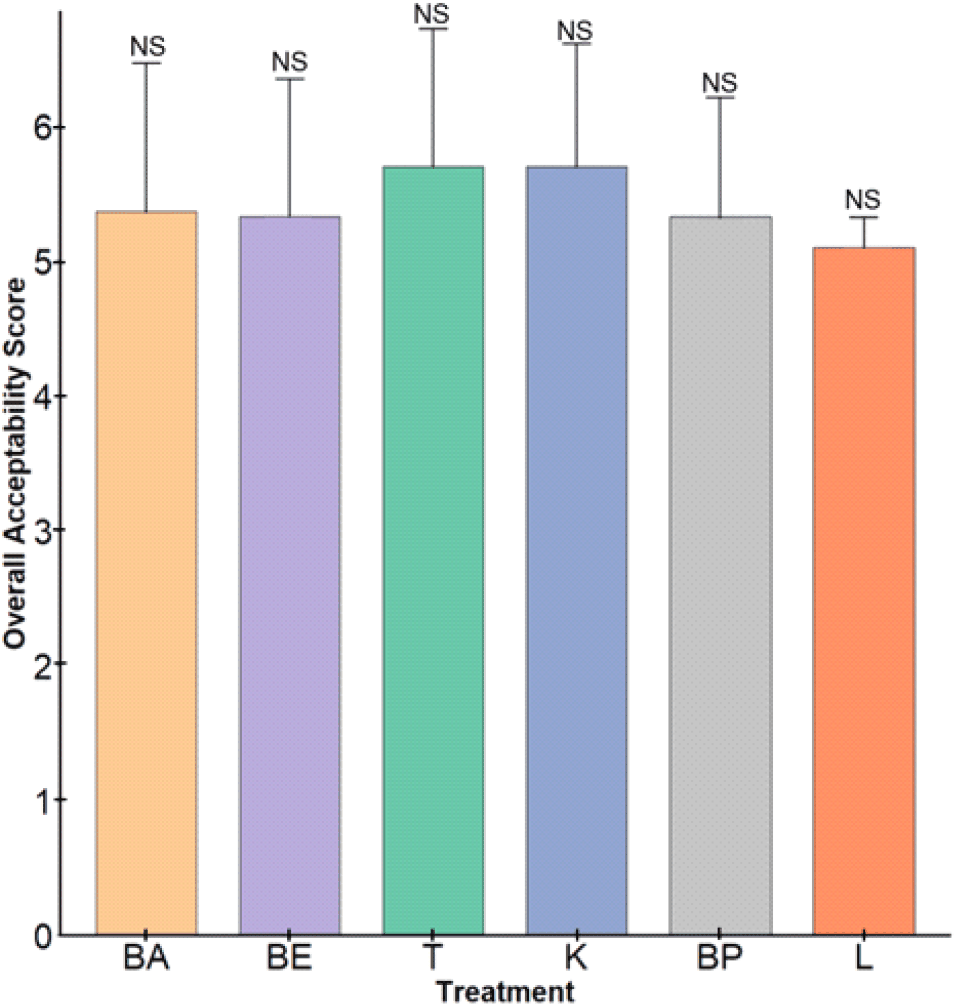
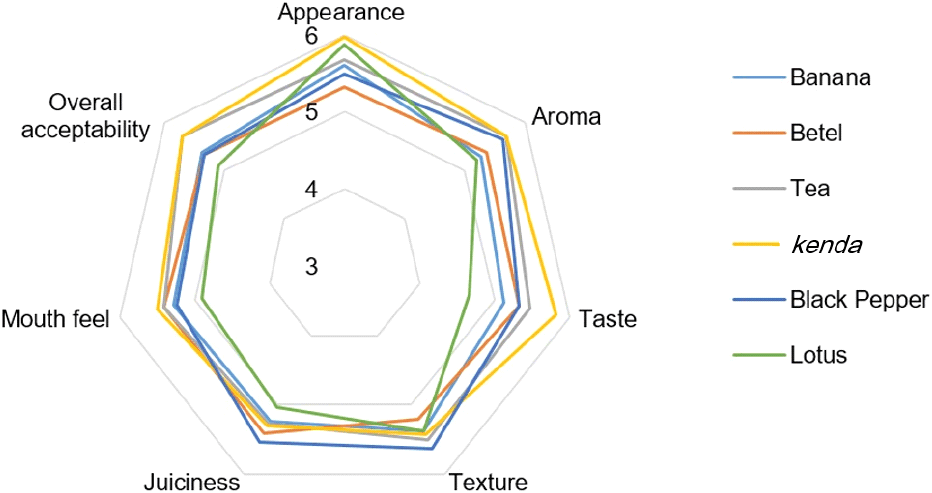
Fig. 3 shows the sensory profiles of samples wrapped in different leaf materials, prepared with cinnamon wood fire, evaluated for appearance, aroma, taste, texture, juiciness, mouthfeel, and overall acceptability. There was a significant difference in taste among the treatments (Kruskal-Wallis test, p>0.05). However, there was no significant difference between the treatments in other sensory attributes. kenda wrapped treatments recorded the highest values for both appearance (5.97±0.81) and taste (5.83±0.99) among all treatments evaluated. Given that initial consumer selection and taste largely dictate repeat purchase, kenda’s superior performance in these two dimensions is compelling evidence of its sensory excellence. Additionally, kenda wrapped treatments consistently achieved elevated scores for aroma (5.70±0.91), texture (5.43±0.86), juiciness (5.30±1.06), and mouthfeel (5.50±1.20), reflecting a balanced sensory profile without notable deficiencies. These results collectively indicate that kenda wrapping imparts consistently high-quality sensory attributes, supporting its flavourable assessment in comparative sensory evaluation. Although the tea-wrapped treatment ranked next, it showed a similarly high overall acceptability (5.70±1.02) and consistently strong performance across various sensory attributes. However, the tea-wrapped treatment did not outperform the kenda-wrapped treatment in the critical dimensions of appearance and taste. Both banana-wrapped and betel-wrapped treatments achieved moderate sensory acceptability, with satisfactory scores across most evaluated attributes but lacking distinct superiority in any single parameter. The black pepper-wrapped treatment received favorable scores for texture and juiciness but was constrained by lower ratings for taste balance and overall acceptability, thereby limiting its appeal. The lotus-wrapped treatment received the lowest ratings for taste, mouthfeel, and overall acceptability, making it the least preferred among the treatments examined. Taken together, these comparisons indicate that the kenda leaf-wrapped treatment provides the most favorable sensory profile among the other wrapping materials. Tea, banana, betel, and black pepper-wrapped treatments are associated with intermediate acceptability, whereas lotus leaf-wrapped treatments exhibit the least favorable sensory properties. The overall acceptability of six treatments with cinnamon wood fire is shown in Fig. 4. Based on sensory results from the mahogany and cinnamon wood smoke, 3 treatments were selected. From mahogany wood smoke, the tea-wrapped treatment and lotus-wrapped treatment were selected. Using cinnamon wood smoke, only the “kenda”-wrapped treatment was selected for analysis of physicochemical properties, storage stability, and volatile compounds.
According to the sensory evaluation results, three treatments of smoked fish were selected (tea leaf and lotus leaf with mahogany wood and kenda leaf with cinnamon wood). Using these three treatments, keeping quality was analyzed during the storage time period under frozen conditions (-20°C).
pH is widely recognized as a key quality indicator in smoked tilapia, because it reflects microbial activity, biochemical stability, and overall freshness during storage (Rong et al., 2009). On day 1, the pH values for the lotus wrapped with mahogany, kenda-wrapped with cinnamon, and tea-wrapped with mahogany treatments were 6.47±0.05, 6.45±0.04, and 6.37±0.07, respectively, with no significant differences among treatments (p>0.05). By day 3, the kenda-wrapped with cinnamon treatment reached the highest pH (6.75±0.08), showing a significant increase compared with day 1 (p>0.05). However, after day 3, pH declined significantly (p>0.05). The tea-wrapped with mahogany samples maintained relatively stable pH values throughout storage, with no significant differences across days (p>0.05). In contrast, the lotus-wrapped with mahogany treatment showed a significant reduction in pH by day 7 (p>0.05), reaching the lowest value recorded (5.99±0.18). Fig. 5 presents the pH measurement data collected throughout the storage period. This figure illustrates changes in sample pH over time, providing a visual summary of the trends observed during the analysis. The findings indicate that the kenda-wrapped cinnamon treatment is the most effective method for preserving fish quality during storage, primarily by maintaining stable pH. Samples wrapped with kenda leaves, combined with cinnamon, consistently maintain a natural pH, suggesting reduced microbial proliferation and attenuated acidification. This preservation effect is attributed to the antimicrobial properties of phenolic and aldehydic compounds in cinnamon wood smoke, which inhibit the formation of lactic and free fatty acids by microbes (Burt, 2004; Ojagh et al., 2010). Similar preservation outcomes have been reported in other systems using polyphenol-rich plant extracts, where moderate pH shifts and extended shelf life were also observed (Goulas and Kontominas, 2007; Prabuseenivasan et al., 2006). Conversely, lotus wrapped with a mahogany treatment resulted in a more rapid decline in pH, likely due to weaker antimicrobial activity or higher water retention, which enhances microbial fermentation (Gram and Huss, 1996). A pH below 6.0 provides signals of advancing spoilage, consistent with earlier findings associating pH reduction with diminished sensory and nutritional quality in freshwater fish. Such acidification can impair texture and palatability even before over-spoilage becomes visible (Ocaño-Higuera et al., 2011).
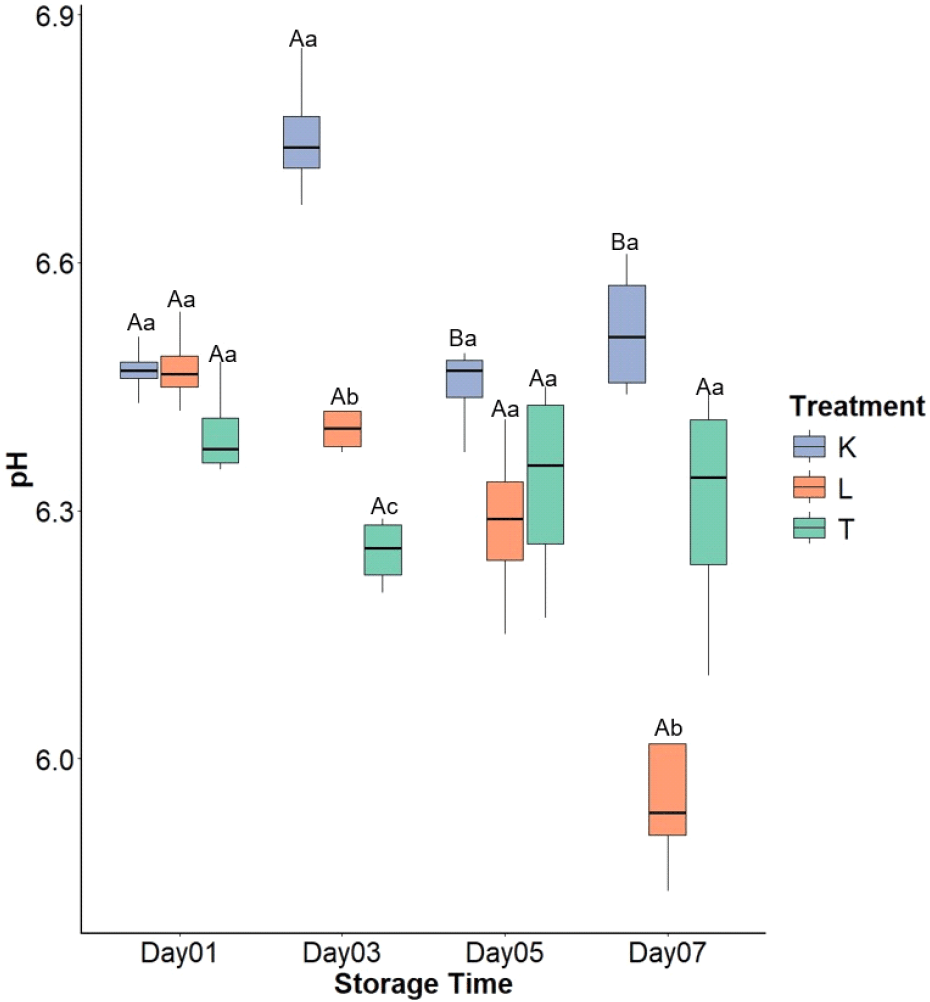
The stable pH is closely linked to delayed sensory rejection and extended freshness; the marked pH decline observed in the Lotus-wrapped-with-mahogany treatments (to 5.99 by day 7) raises concerns about their effectiveness in preserving quality (Ocaño-Higuera et al., 2011). In summary, kenda-wrapping with cinnamon wood treatments provides the strongest protection against chemical and microbial spoilage, ensuring superior pH stability and overall product integrity. Tea-wrapped with mahogany wood treatments offers moderate protection, whereas lotus-wrapped with mahogany treatment is the least effective. These results reinforce the strategic advantage of this natural material in improving the shelf life of smoked tilapia (Dutta et al., 2009).
Across the storage period, all treatments that are kenda-wrapped with cinnamon, tea-wrapped with mahogany, and lotus-wrapped with mahogany showed changes in oxidative stability, indicated by the measured values (Fig. 6). kenda-wrapped with cinnamon treatment and tea-wrapped with mahogany treatment showed significantly stronger oxidative protection than lotus-wrapped with mahogany over the entire storage period (p>0.05). On day 1, although no significant differences were detected among treatments (p>0.05), lotus-wrapped with mahogany treatment exhibited the highest initial TBARs value (0.85±0.34 mg MDA/kg), whereas kenda-wrapped with cinnamon treatment (0.72±0.19 mg MDA/kg) and tea-wrapped with mahogany (0.65±0.11 mg MDA/kg) showed lower oxidation levels. A strong progress, significant treatment-dependent differences emerged (p>0.05). TBARs in the lotus-wrapped with mahogany treatment remained significantly higher than those in the kenda-wrapped with cinnamon treatment and the tea-wrapped with mahogany treatment from day 3 onward, indicating less effective suppression of lipid peroxidation. By day 7, TBARs had risen to 1.09±0.03 mg MDA/kg in lotus-wrapped with mahogany treatment, significantly exceeding the values recorded for kenda-wrapped with cinnamon (0.86±0.02 mg MDA/kg) and tea-wrapped with mahogany (0.74±0.03 mg MDA/kg) (p>0.05). Significant increases in TBARs over time were also observed in the kenda-wrapped with cinnamon treatment and the tea-wrapped with mahogany treatment (p>0.05). In contrast, lotus-wrapped with mahogany treatment showed no significant temporal change, remaining consistently high.
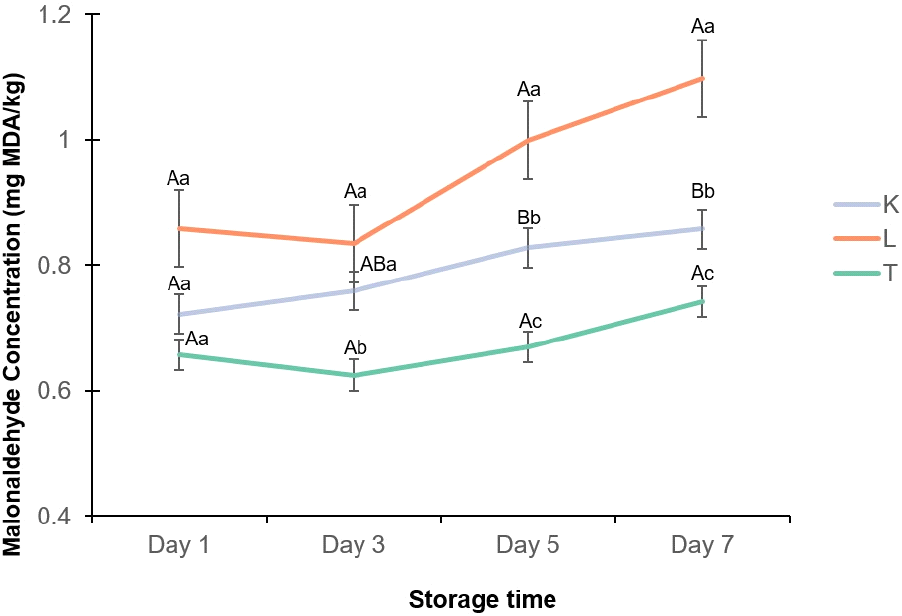
The observed results are consistent with previous findings that phenolic-rich plant materials, particularly cinnamon and mahogany, exhibit strong antioxidant properties that effectively lower TBARs values during storage. This enhanced protection is largely attributed to bioactive constituents in these leaves, such as cinnamaldehyde and eugenol in cinnamon and triterpenoids and alkaloids in mahogany, which act as efficient proton donors that neutralize lipid-derived free radicals. By interrupting the lipid peroxidation chain reaction, these compounds help prevent the formation of secondary oxidation products responsible for rancidity (Sarmadi et al., 2023; Shah et al., 2014). In contrast, the lotus with a mahogany combination proves comparatively weaker antioxidant activity, potentially due to its lower total phenolic content or the absence of synergistic interactions between its constituents. This reduced potency results in less effective inhibition of oxidative processes and, consequently, higher TBARs values during storage (Falowo et al., 2014; Papuc et al., 2017).
It is noteworthy that all three treatments maintained TBARS values below or close to the commonly accepted threshold of 1-2 mg MDA/kg by day 7, a level at which rancid off-flavors and reduced sensory acceptability typically become detectable in fish products (Viji et al., 2015). However, the lotus wraps with mahogany treatment exceeded the 1 mg MDA/kg level at several storage points, suggesting a greater susceptibility to oxidative deterioration and a potential compromise in both shelf-life and consumer-predicted quality. This contrast highlights the importance of antioxidant strength in determining the protective efficiency of natural wrapping materials (Kurek et al., 2024). Moreover, the present findings support previous reports demonstrating the effectiveness of phenolic-rich plant extracts in stabilizing lipids in fish and seafood products. Numerous studies have shown that leaf-derived antioxidants, such as those from perilla, grape seed, pomegranate seed, and tea catechins, can significantly suppress the increase in TBARS during the storage of surimi- and muscle-based seafood. These observations reinforce the well-established relationship between strong DPPH radical-scavenging capacity and improved oxidative stability within food systems (Maqsood et al., 2014; Ali et al., 2019).
In summary, the TBARs data clearly indicate that Tea-wrapped with mahogany treatment has the strongest suppression of lipid oxidation in hot-smoked tilapia during frozen storage, followed closely by kenda-wrapped with cinnamon treatment. In contrast, the lotus wrapped with a mahogany combination affords noticeably weaker oxidative protection. These findings align well with the documented antioxidant capacities of the respective botanicals and with the broader body of evidence on natural plant-based antioxidants used in fish preservation (Presenza et al., 2023).
DNPH values, which serve as indicators of carbonyl compound formation and secondary oxidation products, showed significant variation with both treatment type and storage duration (p>0.05). On day 1, lotus-wrapped with mahogany treatment presented a notably evaluated carbonyl concentration (0.14±0.004) in comparison to tea-wrapped with mahogany treatment (0.33±0.020) and kenda-wrapped with cinnamon (0.23±0.009), signifying a higher initial oxidative burden. By days 5 and 7, carbonyl concentrations had risen significantly across all groups (p>0.05). Throughout the storage period, kenda-wrapped with cinnamon showed the lowest carbonyl formation, indicating enhanced oxidative stability. The DNPH analysis results are shown in Fig. 7.
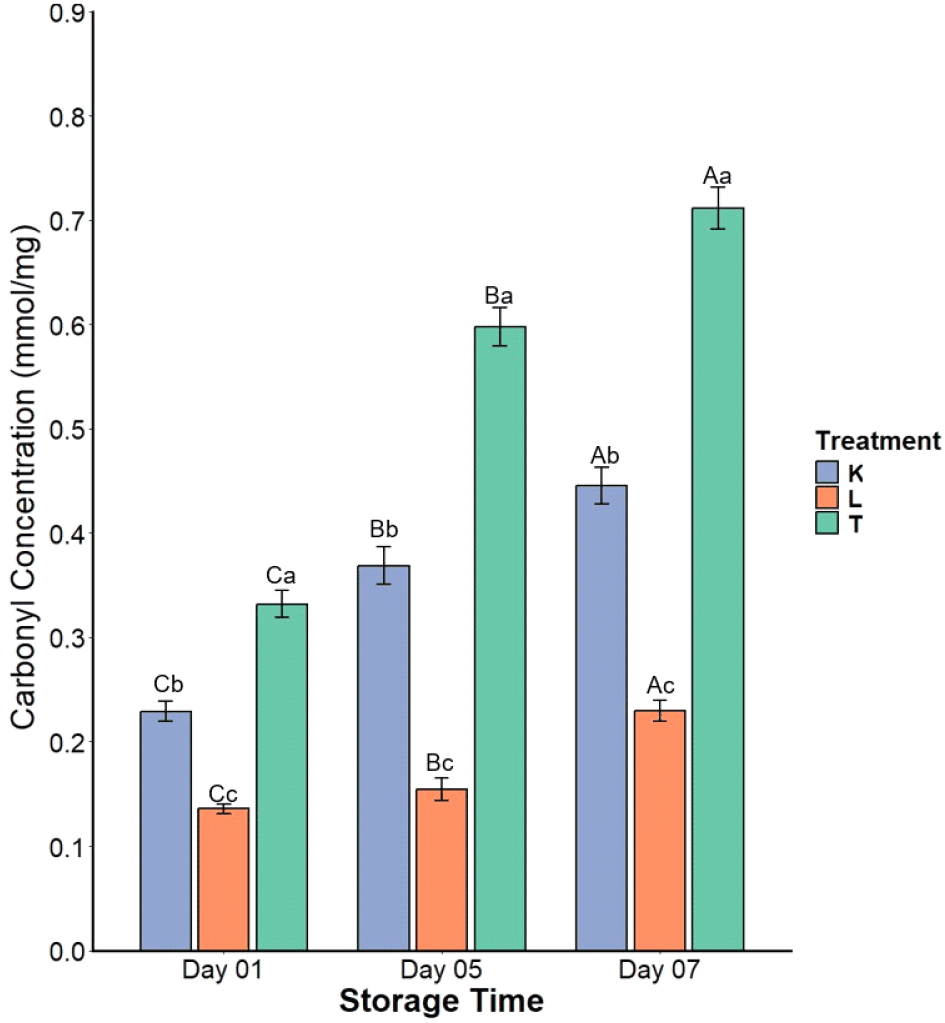
According to previous studies, the carbonyl concentration in fish increases during storage (Abeyrathna et al., 2025). The superior antioxidative performance observed in the Lotus wrapped with mahogany treatment can be attributed to the synergistic interactions between phenolic and flavonoid compounds derived from the plant wrapping material and the smoking wood. These phyto-bioactive compounds are well documented for their strong free-radical-scavenging activity, enabling effective quenching of reactive oxygen species and suppression of both protein and lipid oxidation in fish muscle (Su et al., 2018). The combined use of multiple plant-derived antioxidants has consistently been shown to provide superior preservation effects compared with single treatments, primarily due to synergistic interactions among bioactive compounds. This phenomenon is supported by both the findings of the present study and previous research on fish preservation using natural additives (Tsao, 2015). Further support is provided by the related experimental studies demonstrating that optimized combinations of smoking wood and herbal additives, particularly mahogany and cinnamon, applied at a 1:1 ratio, produce smoked tilapia fillets with enhanced sensory quality, reduced oxidative deterioration, and improved microbial stability during extended chilled storage (Lelwela et al., 2021). The lotus leaf wrapping approach employed in the current work closely aligns with these observations, underscoring its strong potential to extend shelf life while meeting clean-label and minimal processing. Moreover, recent studies highlight that antioxidants derived from herbs and spices, especially when incorporated into edible films or plant-based coatings, can significantly retard physicochemical degradation and extend the chilled shelf life of fish fillets by approximately 6 to 20 days, depending on formulation and storage conditions (Parmar et al., 2024). This reinforces the practical relevance and industrial applicability of integrating bioactive-rich plant materials, such as mahogany and cinnamon systems, into both artisanal and commercial smoking processes. Overall, the combined use of mahogany and lotus leaf wrapping emerged as the most effective treatment for minimizing protein oxidation and maintaining the physicochemical integrity of smoked tilapia during frozen storage, with the observed preservation effects attributed to the synergistic antioxidant activity of the plant components and their compatibility with sensory microbial quality attributes (Huang et al., 2025).
The antioxidant activity of all treatments decreased progressively over the storage period (Fig. 8). On day 1, Lotus-wrapped with mahogany treatment exhibited the lowest activity (38.97±7.12%), while kenda-wrapped with cinnamon treatment (53.02±13.65%) and tea-wrapped with mahogany treatment (53.27±10.45%) showed similar, higher activities. There were no significant differences among the treatments on the first day (p>0.05). On day 3, lotus-wrapped with mahogany treatments decreased to 37.42±0.60, which was significantly lower than kenda-wrapped with cinnamon treatments (51.55±2.64%) and tea-wrapped with mahogany treatments (50.25±2.64%) (p>0.05). Kenda-wrapped with cinnamon treatments and tea-wrapped with mahogany treatments are statistically similar. On day 5, lotus-wrapped with mahogany treatment continued to decline (27.47±8.20), significantly lower than kenda-wrapped with cinnamon treatment (39.47±13.42%) and tea-wrapped with mahogany treatment (40.69±19.72%) (p>0.05), whereas no significant difference was observed between kenda-wrapped with cinnamon treatment and tea-wrapped with mahogany treatment. By day 7, lotus exhibited the lowest antioxidant activity (19.92±8.45%), while kenda-wrapped with cinnamon treatment and tea-wrapped with mahogany treatment decreased to 31.58±13.06% and 30.45±15.51%, respectively. The differences between lotus-wrapped with mahogany treatment and the other treatments remained significant (p>0.05), whereas kenda-wrapped with cinnamon treatment and tea-wrapped with mahogany treatment were not significantly different from each other (p>0.05).
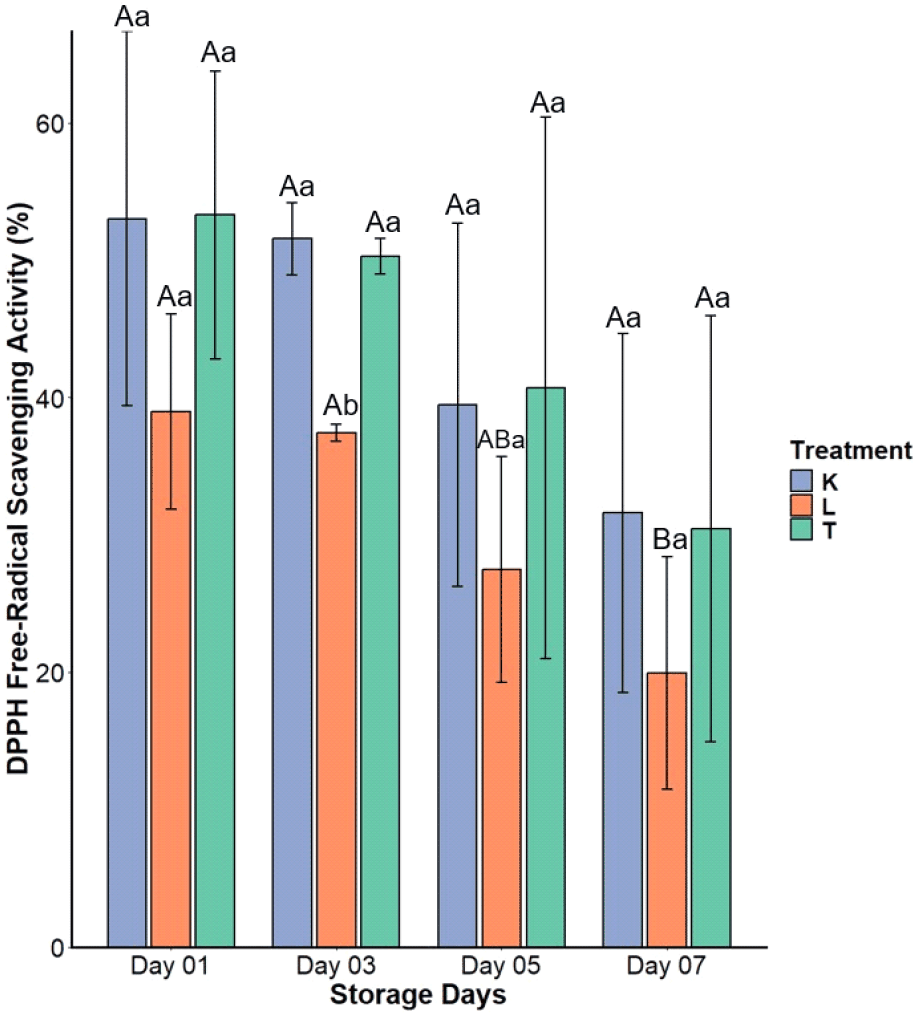
The deterioration of DPPH radical scavenging activity during storage is attributed to the decline of antioxidant phytochemicals, especially polyphenols, under oxidative stress (Shahidi and Zhong, 2010). The use of natural plant-derived antioxidants can initially suppress lipid and protein oxidation in fish products. However, their effectiveness diminishes over time due to continuous exposure to reactive oxygen species and migration into the food matrix (Goulas and Kontominas, 2007). The superior effectiveness of kenda (cinnamon) and tea (mahogany) is likely due to their higher and more stable levels of phenolic compounds, which have been closely linked to antioxidant activity in DPPH assays (Shahidi and Ambigaipalan, 2015). These polyphenols, including flavonoids and certain phenolic acids, tend to remain active for longer periods during storage, providing prolonged oxidative protection to smoked fish (Feng et al., 2022; Gruenwald et al., 2010). In food preservation, research has shown that plant extracts with high total phenolic content can prolong shelf life, reduce rancidity and off-flavors, and preserve sensory quality (Balasundram et al., 2006). While lotus-wrapped with mahogany treatment may offer benefits such as enhanced aroma or improved moisture retention, it appears less effective at providing sustained antioxidant protection, as indicated by a more pronounced decline in DPPH values. This trend is consistent with previous findings showing that extracts or combinations with lower initial phenolic content or less stable antioxidant compounds tend to lose their efficacy more rapidly during extended storage (Sithisarn et al., 2006).
According to the DPPH free radical scavenging activity results, kenda-wrapped with cinnamon treatment and tea-wrapped with mahogany treatment provide stronger and more sustained antioxidant activity during storage compared to the lotus-wrapped with mahogany treatment, which shows a more rapid decline in free radical-scavenging capacity. Although kenda-wrapped with cinnamon treatment and tea-wrapped with mahogany treatment exhibit statistically similar antioxidant performance, kenda-wrapped with cinnamon treatment demonstrates a slightly more favorable retention trend over the storage period. Accordingly, kenda emerges as the most effective leaf wrap for enhancing oxidative stability and maintaining the quality of hot-smoked tilapia under frozen conditions. These findings are consistent with the broader body of evidence highlighting the superior preservative effects of phenolic-rich plant materials in fish and fish-based products (Sampels, 2015).
In addition to the beneficial phenolic and aroma-active compounds identified in this study, it is important to recognize that hot-smoking may also result in the formation of PAHs, which are generated during incomplete wood combustion (Pittia and Antonello, 2016). The production of PAHs depends on several factors, including combustion temperature, oxygen supply, wood type, and the distance between the heat source and the product (Pittia and Antonello, 2016). In the present work, smoking was carried out at 80°C under controlled conditions, which likely minimized excessive pyrolysis and reduced the potential formation of PAHs. Nevertheless, PAHs were not measured in this study, which represents a limitation. Future research should therefore include PAH determination to ensure a more comprehensive evaluation of both the quality and safety of hot-smoked tilapia products.
GC-MS analysis of hot-smoked tilapia made with various combinations of kenda wrapped with cinnamon, lotus wrapped with mahogany, and tea wrapped with mahogany identified a consistent set of key odor-active compounds that characterized the sensory profiles of all samples. The primary contributors were maltol and related furanones, which produced sweet, caramel-like, and fruity aromas; phenol, which gave the fish its distinctive smoky, slightly medicinal scent; and acetic acid, which added pronounced acidity that balanced the overall flavor (Mokh et al., 2024). The co-occurrence of caramelic furanones and simple phenolics is typical of smoked and toasted food matrices and reflects the combined influence of Maillard reactions, caramelization, and wood pyrolysis during hot smoking (Teng et al., 2018). These drivers are present in smoked fish and other thermally processed products (Varlet et al., 2009). Although hot smoking was the dominant determinant of aroma chemistry, treatment-dependent differences were evident in the relative intensity and place of odorants. Cinnamon wood alone and the kenda wrapped with the cinnamon treatment produced a more intense smoky-sweet profile, characterized by elevated levels of caramel furanones and warm phenolic notes, consistent with the enrichment of smoke-derived phenolics that define smoky meat and fish aromas (Knowles et al., 1975). Tea wrapped with mahogany treatments exhibited a rounded, smoky-sweet aroma with subtle gritty nuances, consistent with observations in smoked teas, where interactions between tea leaf constituents and smoke phenolics shape aroma complexity (Yao et al., 2005). Mahogany wood displayed a moderate smoky character dominated by phenolic notes, with comparatively lower sweetness, supporting the concept that phenolics form the core smoky “skeleton”, while furanic compounds modulate sweetness and roastiness (Husbands and Cranford, 2019). Lotus wrapped with mahogany treatment yielded the mildest aroma impact, suggesting that although lotus leaves possess phenolic and antioxidant properties, their volatile transfer during smoking contributed less intensity to the smoke-dominated aroma profile (Yao et al., 2005).
Overall, the volatile architecture across all treatments aligned with the established sweet, smoky, slightly acidic profile characteristic of hot-smoked fish, in which phenolic and furanic compounds are the primary odor-active determinants. These findings indicate that, under a common hot-smoking regime, leaf wraps and wood types primarily modulate the intensity and balance of a shared set of aroma-active compounds rather than alter the fundamental aroma chemistry, consistent with previous reports on smoked fish systems (Mokh et al., 2024). Table 1 presents the main aroma-active compounds identified by GC-MS analysis.
4. Conclusions
This study confirms that the quality of hot-smoked tilapia is not solely determined by processing conditions but is strongly influenced by the combined use of botanical leaf wraps and smoking wood types. The interaction between plant-derived bioactives and smoke constituents significantly affected oxidative stability and sensory expression during storage. Measurements of lipid and protein oxidation demonstrated that the kenda leaf-cinnamon wood combination provided the most effective protection against oxidative deterioration, while tea and lotus leaf wraps combined with mahogany wood offered moderate stabilization. Volatile compound analysis revealed that hot smoking establishes a conserved aroma profile dominated by phenolic and furanic compounds typical of smoked fish. Within this framework, leaf wraps primarily modulated aroma intensity and balance rather than generating new aroma compounds. Cinnamon-based smoke systems enhanced smoky-sweet characteristics, whereas mahogany smoke contributed a milder phenolic profile with subtler sensory expression. Overall, the results demonstrate a synergistic effect between smoke-derived compounds and plant bioactives, stabilizing muscle biochemistry and preserving desirable sensory attributes. This clean-label processing strategy provides a practical, mechanistically supported approach to enhancing product quality, extending shelf life, and achieving consistent sensory performance in hot-smoked tilapia, with clear applicability to both artisanal and industrial production.