1. Introduction
Global sugar consumption remains significantly high, reaching approximately 182.2 million tons in 2023, with production estimated at around 180.4 million tons for the 2024/25 season, primarily sourced from sugarcane (FAO, 2024). This high global demand drives exploration of alternative sweeteners that can be produced economically and sustainably. Heavy reliance on sugarcane also raises sustainability concerns about land use, resource intensity, and supply vulnerability. One promising approach involves producing fructose syrup by enzymatic hydrolysis and subsequent isomerization of starch sources.
Starch, a widely available carbohydrate, can be found in various plants, including cereals (30-80% starch), legumes (25-50%), and tubers (60-90%) (Acosta-Pavas et al., 2020). Among these, sago starch stands out for its particularly high starch content (approximately 90%) and significant production in Indonesia, the world’s largest sago producer, with total production of 367,132 tons in 2021 (Nurfaillah, 2024; Setiawan et al., 2022). This availability positions sago starch as an ideal substrate for industrial fructose syrup production, providing an advantageous alternative to conventional sugarcane-based sweeteners.
Fructose syrup is a liquid sweetener composed mainly of fructose and glucose, commonly containing 42-55% fructose depending on processing conditions. Compared to glucose or sucrose, fructose syrup exhibits higher sweetness (Yulistiani et al., 2019), better solubility, and a lower tendency to crystalize, making it widely used in beverages and processed foods. It is recognized as Generally Recognized As Safe (GRAS) and extensively applied in the food industry (Mohammadi et al., 2019; Zhou et al., 2020). Fructose syrup production generally involves enzymatic liquefaction and starch saccharification to glucose, followed by glucose isomerization to fructose using glucoisomerase (Gahlawat et al., 2017; Singh et al., 2018).
The main challenge in fructose syrup production is improving process effectiveness and efficiency. Therefore, methods are required to enhance the effectiveness and efficacy of the process without compromising the quality of the resulting fructose syrup. In this regard, one approach is the application of immobilization techniques (Barbosa et al., 2015). Immobilization also enhances enzyme stability (Baidamshina et al., 2021), allowing repeated enzyme use (Liu et al., 2018; Tacias-Pascacio et al., 2021; Zhang et al., 2021). According to Smith et al. (2020), immobilization processes can be carried out using physical adsorption, encapsulation, cross-linking, and covalent binding methods.
Physical adsorption is the most commonly used immobilization method because it is simpler than other methods. However, this method has weak interactions between the enzyme and the carrier matrix, making it susceptible to changes in pH, temperature, and ionic strength, thereby reducing enzyme stability (Liu et al., 2018). Covalent binding immobilization, on the other hand, generally provides the strongest ionic bond between the support matrix and the enzyme, minimizing leakage problems (Zucca and Sanjust, 2014). Bagasse-derived cellulose is a promising support matrix for covalent immobilization due to its structural and chemical properties.
Bagasse is an organic agricultural residue generated in significant quantities as a by-product of sugarcane processing. In Indonesia, sugarcane production reached approximately 31.04 million tons in 2023 (Statistics Indonesia, 2024). This amount converts about 30-40% into bagasse during milling. The high availability and cost-effectiveness of bagasse make it an attractive raw material for a range of value-added applications. Its lignocellulosic composition, rich in cellulose and functional groups such as hydroxyl and carboxyl groups, enables effective covalent bonding with enzymes (Fan et al., 2021).
Previous studies utilizing enzyme immobilization techniques for fructose production include research by Jin et al. (2017), which employed cross-linking immobilization of glucose isomerase using a bifunctional reagent (glutaraldehyde) that achieved catalytic stability of >85% of its initial activity through repeated use. In addition, Zhou et al. (2020) immobilized invertase enzymes for the hydrolysis of sucrose into glucose and fructose via physical adsorption on a cellulose matrix. Amaral-Fonseca et al. (2021) used cross-linked enzyme aggregates (CLEAs) and commercially immobilized glucose isomerase (IGI) from Streptomyces murinus, Sweetzyme® IT Extra, allowing both biocatalysts to be reused over six cycles without loss of catalytic activity in the glucose-to-fructose conversion. Previous studies by Janee et al. (2024) demonstrated that immobilizing multi-enzyme systems on oxidized lignocellulosic materials, such as sugarcane bagasse and sawdust, primarily via adsorption-based mechanisms, enables enzyme reuse over multiple cycles but results in gradual activity loss due to enzyme leaching. However, these studies did not explicitly focus on covalent immobilization strategies for enhancing long-term enzyme stability.
In addition to immobilization-focused studies, several researchers have investigated the production of fructose syrup using alternative starch substrates. Cassava-based materials, including tapioca solid waste (onggok), have been processed through enzymatic hydrolysis and glucose isomerization, yielding fructose conversion of approximately 24.59% (Yulistiani et al., 2019). Other studies utilizing cassava starch with microwave-assisted saccharification and kinetic optimization reported fructose conversion of about 20.05% after isomerization (Sumardiono et al., 2018). Despite differences in substrates and processing strategies, these approaches relied on free enzyme systems and did not address enzyme immobilization stability or reusability. Consequently, the application of covalently IGI for fructose production from sago-starch-derived glucose remains insufficiently explored. In this context, the combined application of sago-starch-derived glucose as a non-conventional substrate and bagasse-based cellulose as an immobilization matrix remains relatively underexplored, despite their high availability, low cost, and strong potential for sustainable bioprocessing.
Considering these factors, this study aimed to optimize the fructose syrup production process from sago starch by determining the most effective enzyme concentration for covalent immobilization, assessing the optimal enzyme concentration in the substrate based on fructose production and conversion performance, and identifying the maximum number of enzyme reuse cycles while maintaining catalytic stability. This approach directly addresses sustainability challenges associated with global sugar consumption by promoting the use of renewable biomass and enhancing process efficiency through enzyme reuse.
2. Materials and methods
Bagasse, sourced as waste from the sugar production process at an SME in Makassar, South Sulawesi, was first chopped into pieces approximately 5 cm in length and then dried in an oven at 60°C (Memmert, Schwabach, Germany) until it reached a constant weight. Next, the bagasse was grouns in a disk mill using a 6 mm sieve, then dried at 100°C for 3 h. The bagasse was then activated chemically. Bagasse was immersed in a 2% sodium hydroxide (NaOH, Merck, Darmstadt, Germany) solution at 0.5:1 (w/v) ratio. Next, the sample was placed in an autoclave (Hirayama Manufacturing, Saitama, Japan) for 1 hour at 121°C. The sample was then washed using distilled water until the pH was neutral. After that, the sample was filtered and dried in an oven at 105°C for 3 h, then stored in a desiccator (Iwaki, Tokyo, Japan) and an airtight container (Priyanto et al., 2021). The overall process of fructose syrup production, detailing each enzymatic step, reaction conditions, and the role of immobilized enzymes in glucose-to-fructose conversion, is shown in Fig. 1.
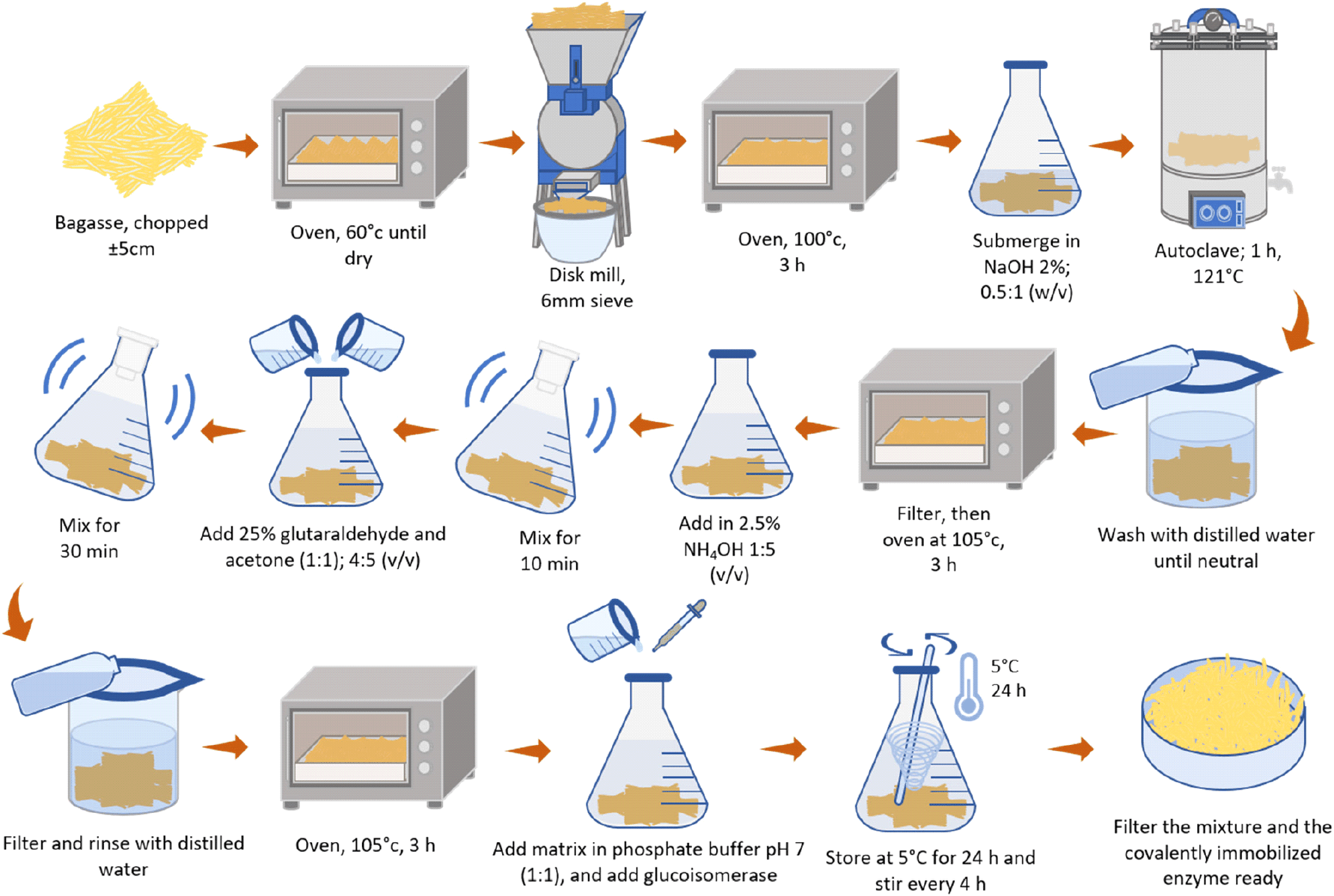
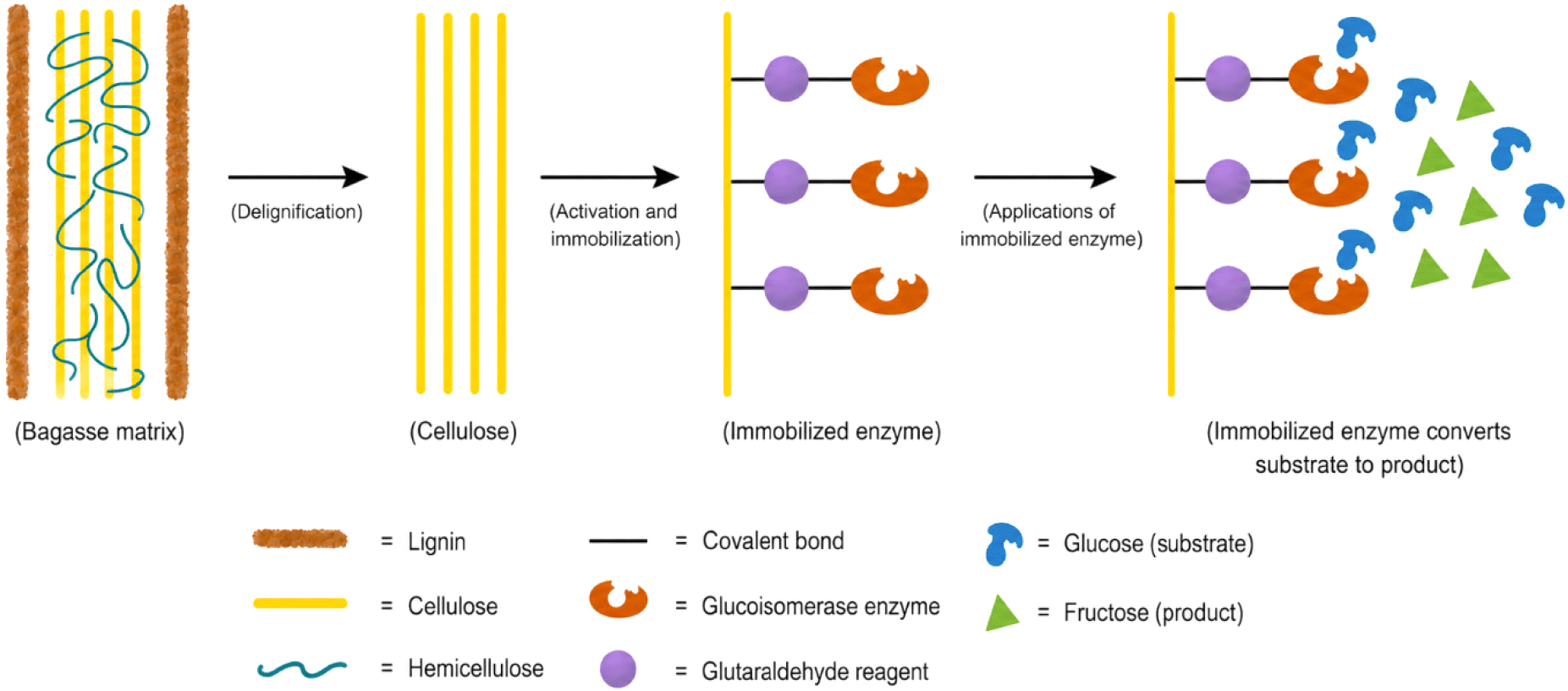
The covalent immobilization was performed by mixing a 2.5% ammonium hydroxide (NH4OH, Merck) solution with the activated bagasse cellulose matrix at 1:5 (v/v) ratio and stirring for 10 min. A mixture of 25% glutaraldehyde (C5H8O2, Sigma-Aldrich, St. Louis, MO, USA) and acetone (C3H6O, Merck) (1:1) was then added at a ratio of 4:5 (v/v) to the matrix and stirred for 30 min. The matrix was filtered, rinsed with distilled water, and dried at 105°C for 3 h. Subsequently, the matrix was prepared with glucoisomerase incorporated at concentrations of 0.75, 1.0, and 1.25% (w/v), which were designated as CI0.75, CI1.0, and CI1.25, respectively, and followed by preparing in a phosphate buffer (pH 7) at a ratio of buffer and matrix of 1:1 (v/v). Immobilization was carried out at 5°C for 24 h with stirring every 4 h (Santos et al., 2019). The liquefaction, saccharification, and isomerization steps were carried out sequentially without intermediate storage. The complete mechanism of covalent enzyme immobilization on the activated bagasse cellulose matrix, followed by its application to glucose substrate to produce fructose syrup, is illustrated in Fig. 2.
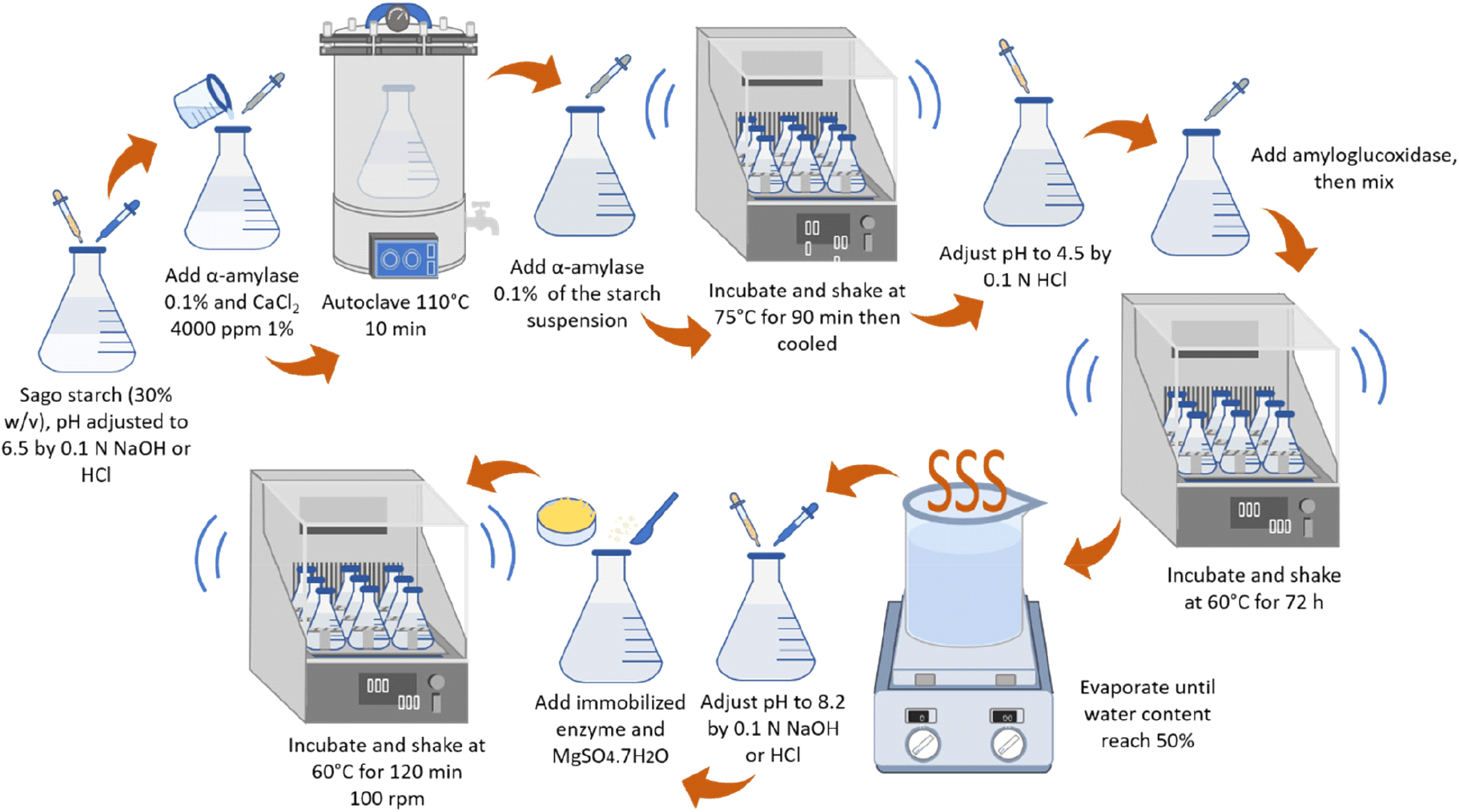
A 30% (w/v) sago starch suspension sourced from North Luwu Regency, South Sulawesi, Indonesia, was used as the raw material. The suspension pH was initially adjusted to 6.5 using 0.1 N hydrochloric acid (HCl, Merck) or 0.1 N sodium hydroxide (NaOH). A solution containing 0.1% α-amylase (>250 units/g, Sigma-Aldrich) and 1% CaCl2 (4,000 ppm, Merck) was added afterward. The suspension was then heated at 105°C for 15 min to induce gelatinization. After the mixture cooled, another 0.1% α-amylase was introduced, and the mixture was incubated (70°C for 90 min) in a shaking incubator (WiseCube WIS-20R, Korea), followed by cooling to room temperature. The pH was later adjusted to 4.5 to produce liquefied starch, which was then used as the substrate for saccharification.
For the saccharification stage, amyloglucosidase (>10 units/mg, Sigma-Aldrich) was added at a concentration of 0.75 g/kg, and the mixture was maintained at 60°C for 72 h. Upon completion, the glucose syrup was concentrated using a rotary evaporator (Heidolph, Schwabach, Germany) until it reached a moisture content of 50%. The resulting syrup (1,000 mL) was then adjusted to pH 8.2 with NaOH or HCl before isomerization. IGI was added at immobilized enzyme concentration (IEC) levels of 0.04, 0.08, and 0.12% (w/v), designated as IEC0.04, IEC0.08, and IEC0.12, respectively. These concentrations corresponded to 10%, 20%, and 30% of the immobilized enzyme matrix in the reaction mixture, yielding immobilized enzyme activities of 40, 80, and 120 U/g, respectively. Magnesium sulfate heptahydrate (MgSO4 ․ 7H2O, Merck) was also incorporated as a cofactor at 0.1 g/L. The isomerization process was performed at 60°C for 120 min with continuous shaking at 100 rpm to ensure optimal interaction between the enzymes and substrate. The liquefaction, saccharification, and isomerization steps were carried out sequentially without intermediate storage. An overview of the entire fructose syrup production workflow, including enzymatic steps, operating conditions, and the function of immobilized enzymes in the conversion of glucose to fructose, is presented in Fig. 3.
A total of 100 mL of 50% (b/v) glucose syrup was placed in an Erlenmeyer flask, then 20% matrix (v/v), equivalent to 0.08% immobilized enzyme, was added and homogenized. Next, the sample was incubated at 60°C for 120 min. After completion of the reaction, the immobilized enzyme matrix based on activated bagasse cellulose was separated from the reaction mixture and reused for subsequent fructose production cycles. This reuse procedure was repeated for up to nine consecutive cycles under identical reaction conditions to evaluate the operational stability of the immobilized enzyme. All reuse cycles were performed under identical operating conditions to ensure consistent evaluation of the enzyme’s operational stability.
An aliquot of 0.1 mL of buffer, both before and after enzyme immobilization, was diluted with distilled water to a total volume of 4 mL (for pre-immobilization samples) and 1 mL (for post-immobilization samples). Diluted samples were mixed with 0.5 mL of the sample solution, 1.5 mL of distilled water, and 2.75 mL of Lowry reagent, then incubated for 15 min. After incubation, 0.25 mL of Folin reagent was added, and the mixture was homogenized using a vortex mixer. The solution was left for 30 min before measuring absorbance (λ: 650 nm) using a spectrophotometer (Shimadzu 1240, MD, USA). Soluble protein content was determined from the regression equation of the standard solution. The difference in soluble protein before and after immobilization indicated the amount of immobilized enzyme.
To prepare the clarifying reagent, lead (II) oxide (PbO, Merck) was initially placed in a furnace unit (Thermo Scientific, MA, USA) and heated to 600°C for 20 min, then cooled in a desiccator unit. A mixture was formulated using distilled water (7 mL), lead (II) acetate [Pb(C2H3O2)2, Merck] (3 g), and PbO (1 g), which was homogenized with a vortex (Adj Speed W/std Vt. 1.1, LA, USA). For clarification, 1 mL of the sample was mixed with 0.25 mL of the clarifying reagent and 0.25 mL of sodium carbonate (Na2CO3, Merck) then centrifuged.
The DNS reagent (1.06 g of DNS: Merck), 1.98 g of NaOH, 30.6 g of KNaC4H4O6 ․ 4H2O (Merck), 0.76 mL of phenol, 0.83 g of Na2S2O5 (Merck), and 141.6 mL of distilled water. 0.75 mL of the hydrolysis filtrate was mixed with 2.25 mL DNS reagent, vortexed, and heated on a hotplate (Nesco H280 Pro, WI, USA) at 100°C for 5 min, and subsequently allowed to cool to room temperature. Absorbance was measured at 570 nm using a UV-VIS spectrophotometer (Shimadzu 1240, MD, USA), and a calibration curve was constructed. The fructose concentration produced was determined using the regression equation derived from the standard calibration curve. The residual glucose concentration was calculated by subtracting the produced fructose concentration from the initial substrate concentration. The degree of conversion (%) was calculated based on the initial glucose concentration (50% w/v) as the proportion of fructose formed relative to the initial substrate.
The determination of dextrose equivalent (DE) was carried out using the same reducing sugar analysis procedure described for the fructose ratio, employing the DNS method. The only modification was the measurement wavelength, to 550 nm.
Total solids were measured by drying pre-weighed crucibles in an oven at 105°C for 30 min, cooling them in a desiccator for 20 min, and re-weighing. A 2 g sample was placed in the crucible, dried at 105°C for 6 h, and weighed repeatedly until a constant weight was achieved. The DE is the ratio of reducing sugars to total solids.
All experiments were carried out in triplicate, and the results were expressed as the mean±SD with n=3. Statistical analysis was conducted using IBM SPSS (version 16.0, SPSS Inc., Chicago, IL, USA) using one-way ANOVA, followed by Duncan’s multiple-range test to identify significant differences at p>0.05.
3. Results and discussion
Covalent immobilization methods form strong bonds between the matrix and the enzyme, minimizing leakage. This method facilitates strong interactions between the matrix and the enzyme, preventing membrane leakage and maintaining enzyme stability, thus optimizing its usability (Zucca and Sanjust, 2014). A decrease in soluble protein concentration before and after matrix addition indicates successful enzyme immobilization (Bashir et al., 2020). Immobilization efficiency was evaluated by calculating the percentage of enzyme bound to the activated bagasse cellulose matrix at different initial free enzyme concentrations.
The immobilization experiments were conducted with free enzyme concentrations in the matrix of 0.75%, 1.0%, and 1.25%. The difference in soluble protein content before and after immobilization, assumed to represent the amount of enzyme bound to the matrix, ranged from 47.2% to 52.21%. Statistical analysis using ANOVA revealed that variations in enzyme concentration did not significantly affect immobilization efficiency (p>0.05).
As shown in Fig. 4, increasing the free enzyme concentration beyond 0.75% did not result in a significant improvement in immobilization efficiency. The relatively constant efficiency values observed at higher enzyme concentrations indicate a plateau effect, suggesting saturation of the available aldehyde functional groups on the activated bagasse cellulose matrix. Once these reactive sites are occupied, additional enzyme molecules are unable to form covalent bonds, leading to no further increase in enzyme attachment despite higher enzyme availability.
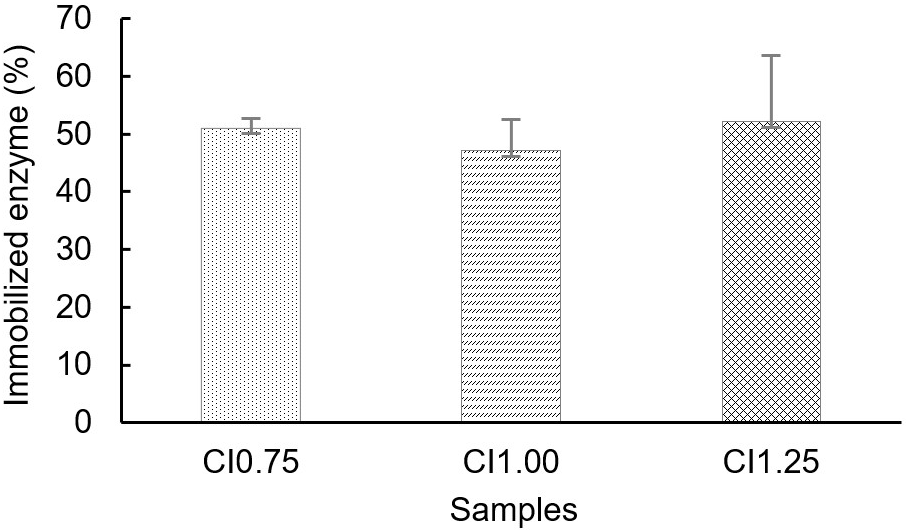
These results demonstrate that a free enzyme concentration of 0.75% is sufficient to achieve optimal immobilization efficiency. Further increases in enzyme concentration do not enhance enzyme binding, confirming the effectiveness of the covalent immobilization strategy. According to Imam et al. (2021), the saturation of active functional groups on the bagasse matrix likely accounts for this stabilization, where additional enzyme molecules lack sufficient binding sites, preventing further immobilization.
The concentration of immobilized enzyme plays a crucial role in determining the efficiency of glucose-to-fructose isomerization. The use of IEC 0.04, 0.08, and 0.12% resulted in fructose ratios ranging from 17.92 to 24.58% (Fig. 5). Statistical analysis using ANOVA confirmed that immobilized enzyme concentration had a significant effect on fructose production (p>0.05).
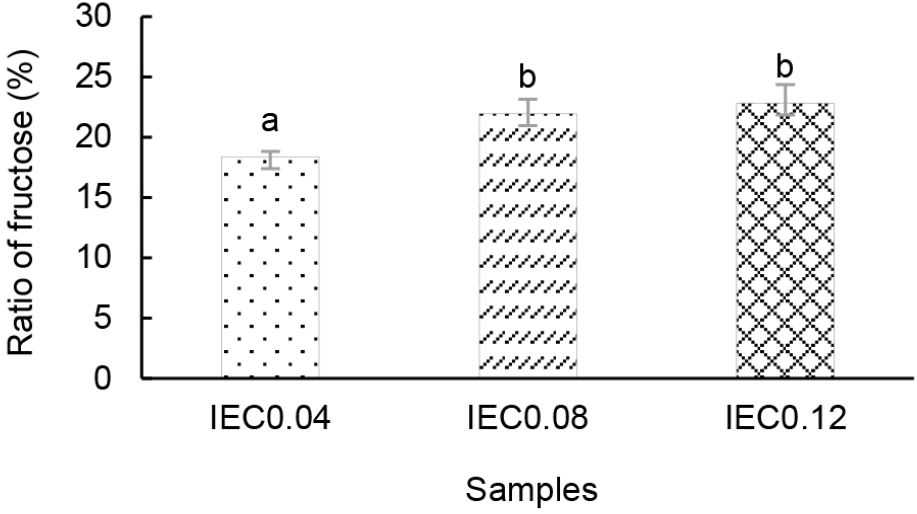
As shown in Fig. 5, fructose content at an immobilized enzyme concentration of 0.04% was significantly lower than that obtained at 0.08% and 0.12%. However, no significant difference was observed between the 0.08% and 0.12% treatments, indicating that fructose production reached a plateau at higher enzyme concentrations. Although the 0.12% treatment yielded a slightly higher numerical fructose value, the increase was not statistically significant, suggesting that the reaction system was saturated. Based on these results, an immobilized enzyme concentration of 0.08% was identified as the optimal condition for fructose production.
In addition to fructose formation, residual glucose was evaluated to assess substrate conversion efficiency. Ratio of residual glucose after the isomerization process ranged from 25.42% to 32.08% (Fig. 6). ANOVA results confirmed that immobilized enzyme concentration also had a significant effect on residual glucose content (p>0.05). The highest residual glucose level was observed at the lowest enzyme concentration (0.04%), while increasing the immobilized enzyme concentration to 0.08% and 0.12% significantly reduced the amount of unconverted glucose. However, similar to the fructose ratio, no significant difference in residual glucose content was detected between the 0.08% and 0.12% treatments.
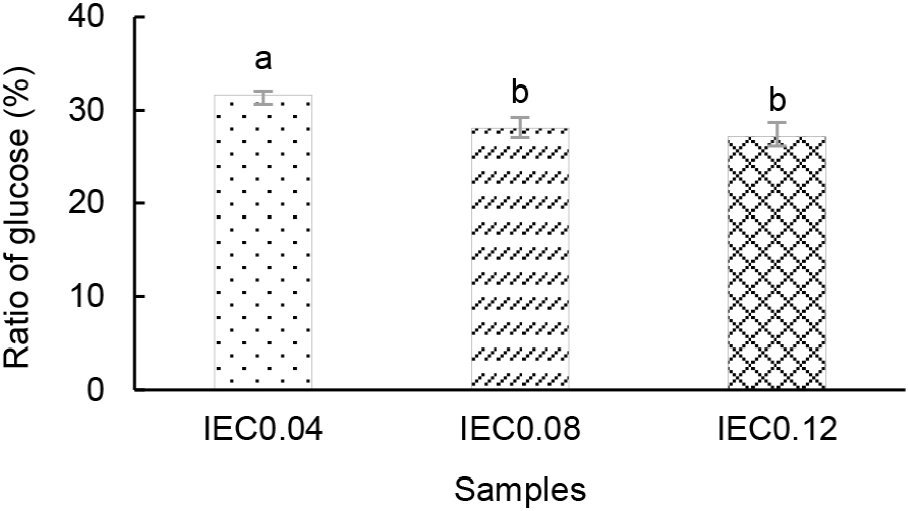
The opposing trends observed in Fig. 5 and Fig. 6 indicate an inverse relationship between fructose formation and residual glucose content, with higher fructose ratios corresponding to lower residual glucose levels. This relationship confirms that increased enzymatic efficiency enhances substrate conversion during the isomerization process (Carraher et al., 2015; Abd Rahman et al., 2011). The absence of further improvement at enzyme concentrations above 0.08% is consistent with enzyme saturation kinetics, in which reaction rates increase with enzyme concentration only until substrate availability becomes limiting (Baksi et al., 2023; Liu, 2017; Straube, 2017). The use of 0.08% immobilized enzyme concentration in the isomerization process has reached saturation. Therefore, increasing the enzyme concentration beyond this point to 0.12% does not affect fructose syrup production. It is estimated that all substrates have been converted into products, as explained by Straube (2017): enzymes will experience saturation or a decrease in enzyme activity if the enzyme concentration is not proportional to the substrate concentration.
Compared to the previous study, Yulistiani et al. (2019) also employed an enzymatic process to produce fructose syrup from onggok, reporting a conversion rate of 24.59% using 1% (b/v) glucose isomerase. In contrast, the current study achieved a substantially higher conversion rate of 43.89% despite using only 0.08% immobilized enzyme (Table 1). This notable difference indicates a more efficient catalytic performance under the optimized enzyme ratio applied in this work. The corresponding fructose concentrations (21.94-22.83%) were obtained from an initial glucose concentration of 50%, while residual glucose levels were simultaneously reduced, indicating more effective substrate utilization.
Overall, the results demonstrate that effective optimization of immobilized enzyme concentration is essential for maximizing fructose production while minimizing residual glucose. The high conversion efficiency achieved at relatively low enzyme loading highlights the effectiveness of the immobilized enzyme system and underscores its potential for efficient fructose syrup production.
The DE value is directly related to the degree of polymerization (DP), which is the number of aldehyde groups at the reducing end of glucose (Vargas-Campos et al., 2023). The DE represents the reducing sugar content in fructose syrup, expressed as a percentage on a dry basis (Fatourehchi et al., 2022; Helstad, 2019). This parameter is critical for assessing syrup quality, as it correlates with the reducing sugar and total solids.
The reducing sugar content across different IEC ranged from 44.42% to 48.50%, while total solids ranged from 45.21% to 50.14% (Table 2). Statistical analysis using ANOVA indicated that variations in IEC did not have a significant effect on reducing sugar content (p≥0.05). Similarly, ANOVA results showed no significant difference in total solids among the tested enzyme concentrations (p≥0.05). Although slight numerical decreases in reducing sugar and total solids were observed at higher enzyme concentrations, these differences were not statistically significant. They may be attributed to improved conversion efficiency and a possible adsorptive effect of the bagasse cellulose matrix on soluble components, as reported by Ejaz et al. (2021).
| Samples | Reducing sugar (%) | Total solids (%) | Dextrose equivalent (%) |
|---|---|---|---|
| IEC0.041) | 48.50±0.052)3) | 50.14±0.42 | 96.74±0.73 |
| IEC0.08 | 47.66±0.76 | 48.65±1.36 | 98.00±2.89 |
| IEC0.12 | 44.42±0.21 | 45.21±0.36 | 98.25±0.64 |
Despite variations in reducing sugar and total solids, the DE values remained within a narrow range of 96.74% to 98.25%, with ANOVA confirming no significant differences among IEC (p≥0.05). This stability indicates that enzyme immobilization did not adversely affect the overall reducing sugar profile of the syrup, as both glucose and fructose are reducing sugars and their interconversion does not substantially alter total reducing sugar content (Megavitry and Nurhijrah, 2019). These results confirm that glucose-to-fructose isomerization proceeded efficiently under all tested conditions and support the use of a 0.08% immobilized enzyme concentration to achieve optimal fructose production while maintaining consistent DE values.
In terms of reducing sugar performance, the present study achieved reducing sugar contents of 44.42-48.50% using immobilized glucose IGI at relatively low enzyme concentrations (0.08-0.12%). In comparison, Yulistiani et al. (2019) reported a reducing sugar content of 307.95 g/L (approximately 30.80%) using a much higher 1% (b/v) free enzyme. This comparison suggests improved catalytic efficiency of the immobilized enzyme system, which produced higher reducing sugar levels with significantly lower enzyme input.
The efficiency of covalently IGI was evaluated over nine consecutive reaction cycles using a 50% glucose substrate with 0.08% immobilized enzyme (equivalent to 20% bagasse in the glucose). The results showed that fructose content gradually decreased from 24.03% in the first cycle to 20.03% in the ninth cycle, while residual glucose increased from 25.97 to 29.97%. The conversion degree correspondingly declined from 48.07% to 40.07%. Meanwhile, reducing sugar remained relatively stable (47.42-49.59%), and dextrose equivalent (DE) values ranged from 96.08% to 97.92% (Table 3).
Statistical analysis using one-way ANOVA demonstrated that repeated use of the immobilized enzyme significantly affected the fructose ratio, the residual glucose ratio, and the conversion degree (p>0.05). Further comparison among reuse cycles showed that the first to seventh cycles were not significantly different, indicating stable catalytic performance during this period. However, a significant difference was observed between the first cycle and the eighth and ninth cycles, indicating a gradual decline in enzymatic activity with extended reuse. In contrast, reducing sugar content and DE values were not significantly affected by repeated enzyme utilization (p≥0.05), demonstrating the stability of the overall reducing sugar profile throughout the reuse cycles.
Glucose and fructose are reducing sugars; their transformation during the isomerization process inherently maintains the overall reducing sugar content (Megavitry and Nurhijrah, 2019). As a result, the DE value remains relatively unchanged, reinforcing the immobilized enzyme’s resilience in maintaining syrup’s fructose content. However, although the total reducing sugar content remained stable, the fructose-to-glucose ratio changed significantly during repeated use (Fig. 7), indicating a shift in conversion efficiency from the first to the 9th use.
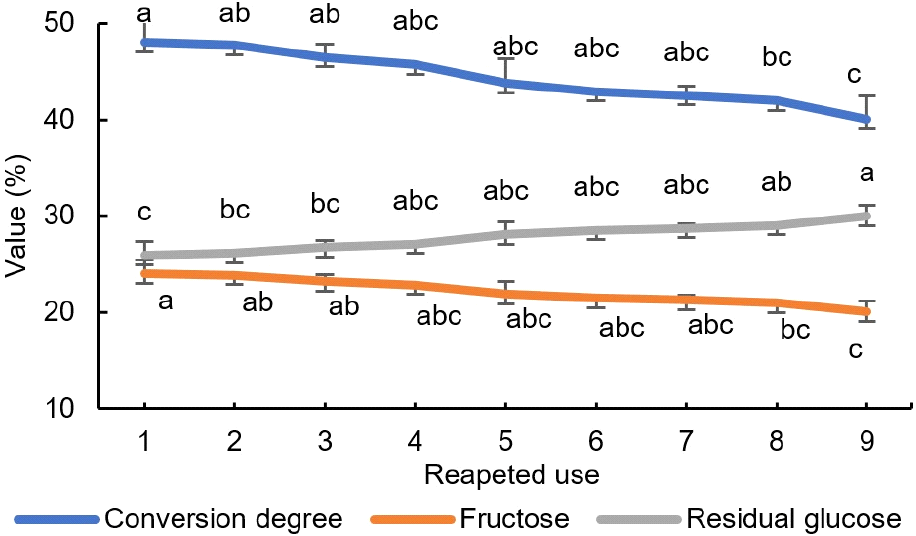
Fig. 7 shows that the conversion degree decreased gradually with each repeated use of the immobilized enzyme. During the first seven cycles, the conversion degree remained relatively stable, ranging from 48.07 to 42.53%, indicating that the catalytic performance of the IGI was still well maintained. In contrast, fructose and glucose concentrations showed only slight changes across cycles, with fructose declining gradually and glucose increasing slightly. The gradual decrease in conversion degree after repeated cycles can be attributed to partial enzyme deactivation, possible structural rigidification due to covalent bonding, and limited accessibility of active sites over prolonged operation. These findings confirm that immobilization enhances enzyme stability (Baidamshina et al., 2021) and allows repeated use with minimal loss of activity during the early cycles (Liu et al., 2018; Tacias-Pascacio et al., 2021). From an industrial perspective, this level of operational stability is advantageous, as it reduces enzyme replacement frequency and operational costs, thereby improving the economic feasibility of fructose syrup production.
In this study, the enzyme immobilized by covalent binding was reused for up to 7 cycles without loss of catalytic activity, while still meeting the required standard for fructose content. This performance demonstrates the practical potential of sago starch as a sustainable and locally abundant feedstock for fructose syrup production, particularly in regions where sago is widely available. This performance is notably better than that reported in a previous study using commercial IGI from S. murinus (Sweetzyme® IT Extra), which maintained glucose-to-fructose conversion for only six consecutive cycles (Amaral-Fonseca et al., 2021). In addition, previous studies using adsorption-based immobilization of multi-enzyme systems on sugarcane bagasse reported enzyme reuse over multiple cycles; however, a marked decline in activity after six cycles was attributed to enzyme leakage from the support matrix (Janee et al., 2024). In contrast, the covalent immobilization strategy employed in this study enabled IGI immobilized on bagasse-based cellulose to retain effective catalytic activity for up to seven consecutive cycles. This enhanced reusability is particularly relevant for industrial-scale continuous or semi-continuous processes, where long-term enzyme stability directly affects productivity and process scalability.
Covalent immobilization generally ensures a strong bond between the material or matrix and the enzyme, and minimizing leakage. Immobilization using this method allows a strong interaction between the matrix and the enzyme, preventing membrane leakage and maintaining enzyme stability while maximizing enzyme use (Zucca and Sanjust, 2014). According to Fan et al. (2021), bagasse has abundant carboxyl, hydroxyl, and phenolic groups. These functional groups will bind to bifunctional reagents, forming bonds with enzyme functional groups during the immobilization process. Some functional groups are involved in the formation of covalent bonds between the matrix and the amine groups of enzyme side chains, such as lysine, cysteine, or aspartic and glutamic acid residues (Cirillo et al., 2014). In addition, amino acid functional groups, carboxylic, imidazole, and phenolic hydroxyl groups play a role in covalent bond formation. Covalent bonding methods usually do not interfere with the mass transfer of reagents/products and provide the greatest improvement in operational stability, especially against heat, pH, organic solvents, and storage conditions (Zucca and Sanjust, 2014). However, potential drawbacks include the risk of active site inactivation due to rigid enzyme-matrix interactions, which may contribute to the observed activity decline after multiple reuse cycles (Liu et al., 2018; Tacias-Pascacio et al., 2021).
4. Conclusions
This study demonstrated that covalent IGI on a bagasse-based matrix effectively enhanced enzyme stability and reusability in fructose syrup production. The use of sago starch as the substrate further highlights the potential of this process, as sago is an abundant, low-cost, and underutilized carbohydrate resource suitable for sustainable fructose syrup production. A free enzyme concentration of 0.75% achieved the highest immobilization efficiency (51.07%), while an immobilized enzyme concentration of 0.08% (80 U/g) resulted in the highest fructose concentrations (18.39-22.83%). The immobilized enzyme also maintained stable catalytic performance for up to 7 reuse cycles, as reflected by a gradual yet controlled decrease in conversion (48.07% to 42.53%) across repeated uses. These findings highlight the efficiency of covalent immobilization using bagasse as a low-cost support material, demonstrating its potential for sustainable and resource-efficient fructose syrup processing. In general, the statistically significant results demonstrate that covalent IGI on bagasse cellulose enables efficient fructose production with reduced enzyme use, highlighting its potential for cost-effective, resource-efficient fructose syrup production.