1. Introduction
In the modern context, global issues such as climate change, resource depletion and environmental pollution are driving the need to build a more sustainable development model (da Silva Lucas et al., 2020). One potential direction is to use insects as a protein-, lipids-, and fiber-rich food source, gradually replacing traditional nutritional sources (Sosa and Fogliano, 2017). Insects such as crickets, African crickets and caterpillars are not only rich in essential nutrients but also easy to raise and low-cost, helping reduce pressure on the current food production system (Murugu et al., 2021). Insect farming also helps save resources and reduce greenhouse gas emissions and ammonia compared to traditional livestock farming (Poma et al., 2017). Therefore, insects are considered by many international organisations, such as the Food and Agriculture Organization of the United Nations (FAO), as a cheap source of protein, suitable for nutritional needs in developing countries, while also supporting improvements in public health in developed countries (FAO, 2013). Insects can provide a large amount of protein (40-75%), unsaturated fatty acids, vitamins, and minerals (Janssen et al., 2017). Some species also provide functional benefits such as antioxidant activity, immune enhancement, and even cancer prevention (Dobermann et al., 2017).
There are currently more than 2,000 insect species used as food in 140 countries, many of which are small but numerous, typically Formicidae (Siddiqui et al., 2023). Polyrhachis vicina Roger (P. vicina), a common black ant, is well known for its high nutritional value and many valuable bioactivities. In traditional medicine, this ant species is used as a tonic, aphrodisiac, and a major ingredient in some health-enhancing wines (Li et al., 2020).
Extracts from P. vicina showed strong antioxidant activity with IC50=0.165 mg/mL in the DPPH assay (Zhang et al., 2022). In addition, they can inhibit lipase enzymes — promising applications in obesity prevention — and anti-inflammatory effects through the regulation of TNF-α and IL-6, and immune stimulation by increasing the production of B lymphocytes (Li et al., 2020). These remarkable properties make P. vicina a promising research target in the field of functional foods and biopharmaceuticals. This review will provide a comprehensive overview of this unique structure, from its biological characteristics, and nutritional composition to its biological activities and potential practical applications, thereby contributing to sustainable and effective solution to the problem of global food security.
2. Biological characteristics and life cycle of Polyrhachis vicina Roger
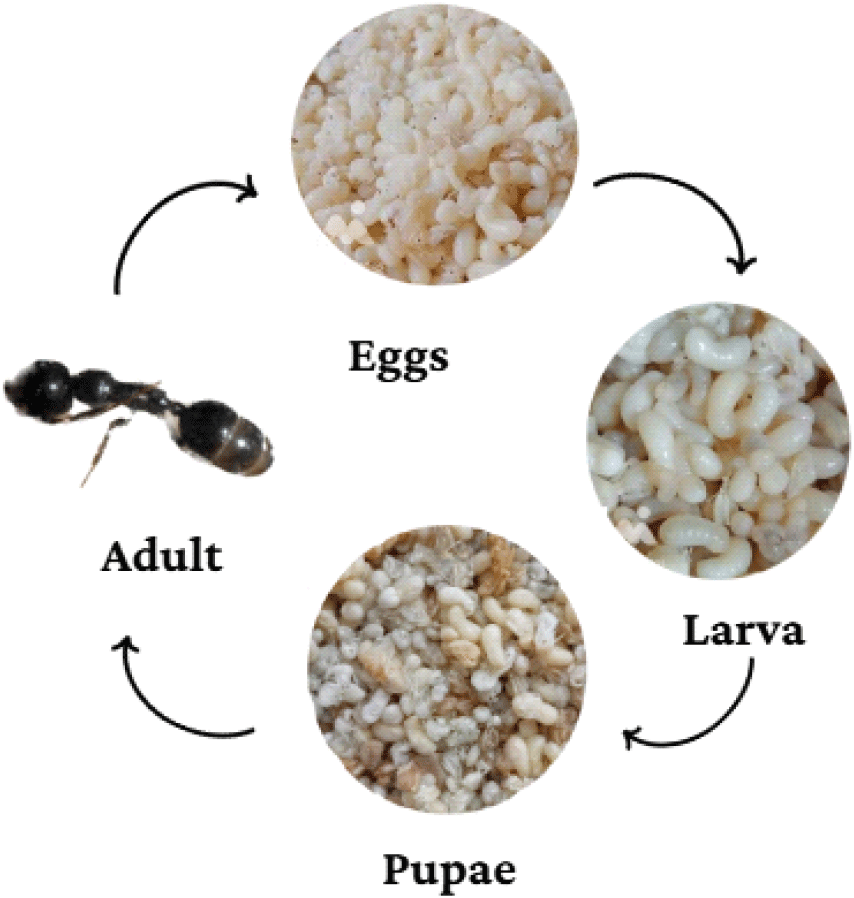
Polyrhachis vicina (Hymenoptera: Formicidae), is also known as the black ant (Ouyang et al., 2009). P. vicina is a diurnal ant and is robust to temperate climate conditions. A new generation of this species is born each year, capable of surviving the winter in all developmental stages, from egg, larva, pupa, and adult. The development time of each stage under laboratory conditions (26-27°C) is: egg (23.8±2.5 days), larva (20.4±4.4 days), and pupa (19.8±5.5 days), for a total of 64 days. Spring is the rapid-growth stage after dormancy. Activity peaks in summer, and in autumn, activity gradually decreases in preparation for the reproductive stage. This life cycle repeats annually, creating a stable and efficient ecological cycle (Chen and Tang, 1989).
The structure of the adult P. vicina of different types (castes) is divided into three main parts: the head, thorax, and the abdomen. The butt of the abdomen is covered with white hairs and has a special sheen (Zhang and Xi, 2018).
In terms of life cycle, P. vicina, like other ant species, undergoes a complete metamorphosis cycle consisting of four main stages: egg → nymph → pupa → adult (Fig. 1). The process begins when the post-mating ant is born. The eggs hatch into legless larvae, covered with a mucus membrane. After sufficient development, the larva transforms into a pupa, a non-feeding stage that undergoes profound morphological changes.
3. Nutritional and chemical composition
The evaluation of proximate composition and mineral content is fundamental to determining the nutritional value and functional potential of edible insects. The analysis of proximate components (including protein, lipid, ash, and moisture) reflects the overall nutritional value, while mineral analysis highlights the content of essential macro- and microelements. These components are typically quantified using standard food chemistry methods and spectroscopic techniques, thereby providing a comprehensive basis for assessing Polyrhachis vicina Roger as a potential sustainable food resource.
Based on Table 1, Polyrhachis vicina Roger shows remarkable potential as a valuable food source, especially due to its high protein content. Specifically, the protein content of this ant species ranges from 56.6 to 69.71% of dried samples (Shen et al., 2006; Zhang et al., 2022), which is superior to many other insects, such as Carebara vidua (39.79-44.64%) (Ayieko et al., 2012), and Componotus consobrinus (31.86%) (Mathew et al., 2014). Compared to protein-rich plants such as mung bean (Vigna radiata, 20.97-31.32%) (Anwar et al., 2007), P. vicina continues to show clear superiority. In the context of the increasing demand for alternative protein sources to reduce pressure from traditional livestock farming, P. vicina is a promising candidate for the sustainable food industry (Chandran et al., 2013; Salter, 2019). In terms of fat, this ant species has a relatively low fat content (0.67-9.0%), making it suitable for healthy, low-lipid diets. This is lower than that of many species, such as P. dives (9.91-10.12%) (Xu et al., 2022), Oecophylla smaragdina (13.46%) (Raksakantong et al., 2010), and especially C. vidua (42.07-49.77%) (Ayieko et al., 2012). For those who need to control weight and metabolism, this is a notable advantage. The ash content (6.2-16.48%) of P. vicina is also higher than other species, such as C. vidua (0.95-2.07%) and C. consobrinus (4.24%) (Ayieko et al., 2012; Mathew et al., 2014). This suggests the potential to provide trace minerals, such as calcium, iron, zinc, and phosphorus, although further detailed analysis is needed to determine their specific values. The moisture content of P. vicina (6.0-12.67%) is slightly higher than that reported for Carebara vidua (3.69-4.36%) (Ayieko et al., 2012) and Camponotus consobrinus (2.95%) (Mathew et al., 2014). Nevertheless, the overall low moisture levels among these species indicate good suitability for dry processing and storage stability.
1) Data from Shen et al. (2006), Zhang et al. (2022).
2) Data from Xu et al. (2022).
3) Data from Raksakantong et al. (2010).
4) Data from Ayieko et al. (2012).
5) Data from Mathew et al. (2014).
Overall, with a high protein content, low fat, reasonable moisture, and ash content, P. vicina is a potential insect for functional food development — especially for high-protein, low-fat, and easy-to-store products. Compared with well-studied species such as T. molitor or O. smaragdina, P. vicina not only meets nutritional requirements but also offers distinct advantages in terms of structural composition (Table 1).
Mineral composition is an important indicator of micronutrient content and the applicability of insects as functional foods. Data from Shen et al. (2006) showed that P. vicina has a high mineral content, and many of its elements are superior to those of other edible insects (Table 2).
1) Data from Shen et al. (2006).
2) Data from Xu et al. (2022).
3) Data from Oliveira et al. (2024).
4) Data from Ayieko et al. (2012).
The calcium (Ca) content of P. vicina reached 1754.0 mg/kg, equivalent to P. dives (1,750-1,940 mg/kg) and significantly higher than C. consobrinus (186.0 mg/kg) (Shen et al., 2006; Xu et al., 2022). Calcium plays an essential role in bone structure, neuromuscular activity and blood clotting (Park, 2025), especially useful for vegetarians or those without milk sources (Falchetti et al., 2022).
Regarding potassium (K), P. vicina contained 4,481.8 mg/kg — lower than P. dives (8,720-8,870 mg/kg) but higher than C. consobrinus (834.0 mg/kg) and approaching T. molitor (6,240-6,630 mg/kg) (Mathew et al., 2014; Shen et al., 2006; Xu et al., 2022). Potassium is important for blood pressure regulation and for cardiovascular and neurological function, so P. vicina may help prevent hypertension (Su et al., 2012). The magnesium (Mg: 1,030.5 mg/kg) and phosphorus (P: 1,579.5 mg/kg) contents of P. vicina is superior to that of C. consobrinus but lower than that of P. dives (Mathew et al., 2014; Shen et al., 2006; Xu et al., 2022). Phosphorus plays a role in the synthesis of ATP, phospholipids and nucleic acids (Shen et al., 2015).
Iron (Fe) in P. vicina reached 940.5 mg/kg, equivalent to C. consobrinus (982.7 mg/kg) (Mathew et al., 2014; Shen et al., 2006). This is a very high-level overview, showing the ability to support anemia prevention when processed properly to increase absorption (Yang et al., 2023). Zinc (Zn; 227 mg/kg) and manganese (Mn; 210 mg/kg) contents in P. vicina are higher than those in P. dives (Zn: ~150 mg/kg; Mn: ~210 mg/kg), indicating that P. vicina is a significant source of these micronutrients that support immunity and enzyme activity (Sun et al., 2021). In addition, P. vicina also contains rare elements such as copper (23.7 mg/kg), chromium (17.1 mg/kg), selenium (0.5 mg/kg), silicon (14.8 mg/kg), and nickel (7.2 mg/kg), which are not reported in many comparable species (Shen et al., 2006). These micronutrients play roles in metabolism, connective tissue, and blood glucose regulation (Xiao et al., 2025).
Sodium (Na) content reached 1,433.3 mg/kg, equivalent to or higher than C. consobrinus (1,214.5 mg/kg) (Mathew et al., 2014; Shen et al., 2006). Although sodium needs to be controlled in people with hypertension, it is still necessary for fluid balance and nerve transmission (Filippini et al., 2021). Therefore, Polyrhachis vicina has a diverse mineral profile, especially in essential elements such as Ca, Fe, P, Zn, Mn and many rare micronutrients. This offers significant potential for developing functional foods, especially fortified products and specialized nutrients. Further studies should evaluate the bioavailability, toxicity and processing effects to effectively exploit this valuable resource.
The amino acid composition of Polyrhachis vicina Roger reported by Shen et al. (2006) showed a high and balanced content of essential (EAA) and non-essential amino acids (non-EAA), reflecting the superior protein quality (Liu et al., 2021) (Table 3). The total amino acid (TAA) content reached 52.58 g/100 g, which was comparable to P. dives (53.19-55.77 g/100 g; Xu et al., 2022), and higher than T. molitor (35.62-38.99 g/100 g; Oliveira et al., 2024).
1) Data from Shen et al. (2006).
2) Data from Xu et al. (2022).
3) Data from Oliveira et al. (2024).
EAA in P. vicina reached 18.50 g/100 g — higher than P. dives (16.11-16.66 g/100 g) and T. molitor (12.30-13.85 g/100 g). Leucine (3.92 g/100 g), valine (3.43 g/100 g), and isoleucine (2.26 g/100 g) were prominent branched-chain amino acids (BCAA), supporting muscle synthesis and energy metabolism. Methionine (1.19 g/100 g) in P. vicina was significantly higher than that in P. dives (0.73-0.82 g/100 g) and T. molitor (0.81-0.83 g/100 g), indicating the potential of plant proteins to compensate for methionine limitation. In particular, tryptophan (1.12 g/100 g) — a rare EAA that plays a role in serotonin synthesis — was also recorded (Kanova and Kohout, 2021). Regarding non-EAA, the total content in P. vicina reached 34.08 g/100 g, lower than P. dives (37.08-39.11 g/100 g) but superior to T. molitor (23.32-25.14 g/100 g). Glutamic acid had the highest proportion (7.45 g/100 g), contributing to umami taste and nerve regulation. Glycine (5.69 g/100 g) and aspartic acid (5.05 g/100 g) supported collagen synthesis and metabolism. Alanine (4.54 g/100 g) played a role in maintaining blood sugar. Histidine content reached 3.39 g/100 g — much higher than that of T. molitor (1.47-1.73 g/100 g), and only slightly lower than that of P. dives (4.08-4.43 g/100 g), indicating its value in acid-base balance and antioxidant capacity (Naraki et al., 2025). In summary, P. vicina possesses a complete and balanced amino acid profile, being particularly rich in BCAAs, methionine, tryptophan and glutamic acid. Compared to P. dives and T. molitor, this ant species stands out for its EAA content and the presence of rare essential amino acids, making it a high-quality protein source with potential applications in functional foods, sports supplements and specialized nutrition.
In summary, P. vicina possesses a complete and balanced amino acid profile, being particularly rich in BCAAs, methionine, tryptophan, and glutamic acid. Its high levels of methionine and histidine, along with its potential for higher mineral content, distinguish it from other insects. Compared to P. dives and T. molitor, this ant species stands out for its EAA content and the presence of rare essential amino acids, making it a high-quality protein source with potential applications in functional foods, sports supplements, and specialized nutrition.
Volatile compounds play an important role in determining the aroma, flavor, and potential biological properties of edible insects. Analysis of these compounds provides insight into both the sensory qualities and potential functional applications. Gas chromatography-mass spectrometry (GC-MS) is the most widely used technique for this purpose, as it enables the precise identification and quantification of a wide range of volatile compounds, including hydrocarbons, aldehydes, ketones, and esters. This analysis helps to clarify the factors influencing the chemical composition of P. vicina.
Gas Chromatography-Mass Spectrometry (GC-MS) analysis of P. vicina in both fresh and sun-dried states showed significant changes in the chemical composition and the proportions of compound groups (Li et al., 2009). In the fresh state, long-chain hydrocarbon compounds were dominant, accounting for up to 75.95%, with major components, including tridecane (27.09%), heptadecane (15.90%), and nonacosane (6.87%). The fatty acid group accounted for about 20.45%, of which the most notable were (E)-9-octadecenoic acid (oleic acid, 18.63%) and n-hexadecanoic acid (palmitic acid, 1.82%). In addition, some functional compounds such as (E,E)-6,10,14-trimethyl-5,9,13-pentadecatrien-2-one (1.72%) were also detected at low levels but with potential biological significance.
When the sample was exposed to sunlight, the GC-MS profile changed significantly: the fatty acid group increased sharply, accounting for 59.07%, while the hydrocarbons decreased to only 33.10%. In particular, the content of oleic acid (C18:1) increased to 40.12%, and palmitic acid (C16:0) increased to 12.03%, indicating a strong increase in unsaturated fatty acids after dehydration by heat and light. This change may be due to the decomposition of neutral lipids into free fatty acids or endogenous metabolism during sun-drying stress (Li et al., 2009).
Compared with other edible insects, such as Protaetia brevitarsis larvae and Acheta domesticus crickets, P. vicina in its dried state has a similar proportion of unsaturated fatty acids, and even surpasses it in oleic acid content. For example, Yeo et al. (2013) reported that P. brevitarsis had oleic acid accounting for 16.75%, linoleic acid 14.88%, while A. domesticus had linoleic 38.1% and oleic 21.0% (Spano et al., 2023). Thus, P. vicina after sun-drying has a higher oleic acid content than the above species, which highlights the nutritional potential of this ant species when properly processed.
Beyond nutrition, these compositional changes have direct implications for product development. The increase in free fatty acids can influence flavor, potentially enhancing the desirable umami and savory notes, which is crucial for consumer acceptance in food products like snacks or seasonings. Furthermore, fatty acids, such as oleic and palmitic acids, possess natural preservative and emollient properties, suggesting applications in natural food preservation systems to extend shelf-life, or in the cosmetic industry for skincare formulations (Bills et al., 1969).
P. vicina is an insect with a flexible chemical profile, which changes markedly between the fresh and dried states. While in the fresh state the ants mainly provide functional hydrocarbons, after drying the sample becomes rich in unsaturated fatty acids, especially oleic acid, comparable to or exceeding other common edible insects. Depending on the intended use — nutritional, medicinal, cosmetic or bioprotective — the choice of the appropriate sample state and processing method is key to the efficient exploitation of the resource from P. vicina.
4. Biological activities
The antioxidant activity of the sample is evaluated using two common methods: the DPPH (2,2-diphenyl-1-picrylhydrazyl) radical scavenging assay and the ABTS (2,2’-azino-bis (3-ethylbenzothiazoline-6-sulfonic acid)) assay. The DPPH method is based on the principle of measuring the natural radical scavenging activity of DPPH+, which causes the solution to lose its characteristic purple color, thereby evaluating the antioxidant’s electron-donating ability. Meanwhile, the ABTS method evaluates the ABTS+ cation’s ability to reduce, forming a blue complex component, and measures its ability to neutralize auto-radicals through electron or hydrogen transfer mechanisms. Both methods are performed by universal measurement at specific wavelengths (Rumpf et al., 2023).
Based on antioxidant activity indices such as DPPH, ABTS, FRAP, and hydroxyl radical (OH·) scavenging ability (Table 4), P. vicina showed remarkable potential when compared to other common insect species such as Tenebrio molitor, Ulomoides dermestoides, Dinomyrmex, and Schistocerca gregaria (Flores et al., 2020; Evana et al., 2019; Shen et al., 2006; Zielińska et al., 2017).
| DPPH (IC50, μg/mL) | ABTS (IC50, μg/mL) | FRAP (μmol, Fe2+/g) | OH (IC50, μg/mL) | References | |
|---|---|---|---|---|---|
| P. vicina | 165.0±2.1 | 123.0±1.8 | 24.5±0.7 | 142.0 | Shen et al. (2006) |
| Tenebrio molitor | 89.2-336.2 | 85.4-290.5 | 15.8-32.6 | 310.2 | Flores et al. (2020) |
| Ulomoides dermestoides | 90.7-310.4 | 88.1-275.6 | 18.2±0.5 | 295.8 | Flores et al. (2020) |
| Dinomyrmex | 89.2-336.2 | 85.4-320.5 | 12.3-22.6 | 92.1-285.4 | Evana et al. (2019) |
| Schistocerca gregaria | 29.1-104.5 | 6.9-27.5 | 2.57-60.31 | NT1) | Zielińska et al. (2017) |
In the DPPH assay, the IC50 of P. vicina was 165.0±2.1 μg/mL, which was within the range of T. molitor (89.2-336.2 μg/mL), U. dermestoides (90.7-310.4 μg/mL) and Dinomyrmex (89.2-336.2 μg/mL). However, compared with S. gregaria — the species with the strongest DPPH scavenging activity (29.1-104.5 μg/mL), P. vicina exhibited a relatively weaker ability to neutralize DPPH free radicals. The ABTS test results showed that the IC50 of P. vicina was 123.0±1.8 μg/mL — significantly higher than that of S. gregaria (6.9-27.5 μg/mL), indicating moderate ABTS radical scavenging activity (Flores et al., 2020; Evana et al., 2019; Shen et al., 2006; Zielińska et al., 2017). However, this value was still lower than the ranges of T. molitor, U. dermestoides and Dinomyrmex, indicating that P. vicina still has some potential for ABTS neutralization. In terms of iron reduction ability (FRAP), P. vicina exhibited a value of 24.5±0.7 μmol Fe2+/g, which falls within a similar range to both Dinomyrmex (12.3-22.6 μmol Fe2+/g) and T. molitor (15.8-32.6 μmol Fe2+/g), indicating a comparable reducing potential. Compared with U. dermestoides (18.2±0.5 μmol Fe2+/g), P. vicina was slightly more efficient. Although S. gregaria had a very wide range (2.57-60.31 μmol Fe2+/g), this result still reinforced the role of P. vicina as a potential bioreductant (Flores et al., 2020; Evana et al., 2019; Shen et al., 2006; Zielińska et al., 2017). Most notably, in the test with hydroxyl radicals — one of the most toxic free radicals. The IC50 of P. vicina was 142.0 μg/mL, significantly lower than that of T. molitor (310.2 μg/mL) and U. dermestoides (295.8 μg/mL), demonstrating its superior ability to protect cells from oxidative damage. Although not completely superior to Dinomyrmex (92.1-285.4 μg/mL), the results were still very positive.
Overall, P. vicina shows moderate DPPH and ABTS activity, strong hydroxyl radical scavenging, and competitive FRAP activity, suggesting good antioxidant potential. This is the basis for further exploitation of this ant species for functional food applications or supporting health protection.
Inflammation is a complex biological response mediated by various signalling pathways and pro-inflammatory markers. The anti-inflammatory potential of a substance is commonly evaluated by its ability to inhibit key mediators, such as nitric oxide (NO), prostaglandin E2 (PGE2), and cytokines (e.g., TNF-α, IL-6), in cellular models, including lipopolysaccharide (LPS)-induced macrophages. Recent studies have demonstrated that P. vicina exhibits remarkable biological potential, particularly in immunomodulation (He et al., 2023).
Recent studies have shown that P. vicina possesses remarkable biological potential, especially in immunomodulation and anti-inflammatory activity, through various mechanisms (Table 5). These effects are not limited to physiological manifestations but also extend to the regulation of molecular signaling pathways involved in chronic diseases.
| No. | Effect | Dosage | References |
|---|---|---|---|
| 1 | Reduces blood uric acid levels and protects kidney function | 285-2,000 mg/kg/day | Su et al. (2018) |
| 2 | Inhibits osteoclastogenesis | NT1) | Feng et al. (2024) |
| 3 | Reduces cerebral ischemic damage | NT | Wei et al. (2023) |
| 4 | Antidepressant | 160-320 mg/kg/day | Wei et al. (2018) |
| 5 | Activates ERK to induce colorectal cancer cell necrosis | NT | Li et al. (2023) |
According to Su et al. (2018), P. vicina extract has the ability to reduce uric acid in the blood and protect renal function in a gout model, suggesting the ability to regulate inflammation through indirect effects on purine metabolism, with effective doses ranging from 285 to 2,000 mg/kg/day. In the field of cancer, Li et al. (2020) found that the active ingredient of this ant species can inhibit the progression of breast cancer by regulating the EGR1/lncRNA-NKILA/NF-κB axis — an important signaling pathway in inflammatory and immune responses.
Notably, He et al. (2022) demonstrated that P. vicina extract could improve memory impairment in an Alzheimer’s mouse model through modulating the EGR1/BACE1/APP axis — which is involved in neuroinflammation and amyloid deposition. This suggests a potential neuroprotective role of this ant species in neurodegenerative disorders. In the field of osteoarthritis, Feng et al. (2024) reported that the active fraction of P. vicina could inhibit osteoclastogenesis through increasing K48 ubiquitination, which degrades TRAF6 — a key mediator molecule in osteoarthritic inflammation. This mechanism leads to reduced ROS and inhibited NFATc1 activation, thereby reducing postmenopausal bone loss.
Wei et al. (2023) further confirmed the neuroprotective effect of P. vicina extract in a model of cerebral ischemia — a condition closely related to acute inflammation and oxidative stress. Meanwhile, Wei et al. (2018) found that this ant species has antidepressant effects by regulating neuroinflammation at doses of 160-320 mg/kg.
In addition, Li et al. (2023) showed that an active fraction of P. vicina can activate extracellular signal-regulated kinase (ERK) to induce necrosis in colorectal cancer cells, suggesting the ability to regulate immune cell death — a mechanism closely related to inflammation and cancer.
Overall, Polyrhachis vicina exhibits comprehensive anti-inflammatory properties, from regulating physiological indices to controlling inflammatory signaling axes such as NF-κB, TRAF6, and ERK. These properties open the potential for this ant species to be used in the treatment of chronic inflammatory diseases, neurological disorders, and cancer.
5. Applications and challenges
With its rich nutritional content and numerous bioactive compounds, P. vicina is not only a potential food source but also holds promise for applications in functional foods and pharmaceuticals. Studies have initially demonstrated the antioxidant, anti-inflammatory and immunoregulatory abilities of this ant species. The antioxidant activity of P. vicina wine extract has been studied: the IC50 for the superoxide radical scavenging activity induced by the autoxidation of Pyrogallol is 0.37 mg/mL, and the maximum scavenging rate is 81.4%. The IC50 of the hydroxyl free radical scavenging effect generated by the Fenton reaction is 0.66 mg/mL; the maximum scavenging rate is 91.8%. The IC50 for DPPH scavenging is 0.48 mg/mL; the maximum scavenging rate is 91.4%. The results showed that the P. vicina wine extract exhibited both free radical scavenging and antioxidant activities (Sun et al., 2013).
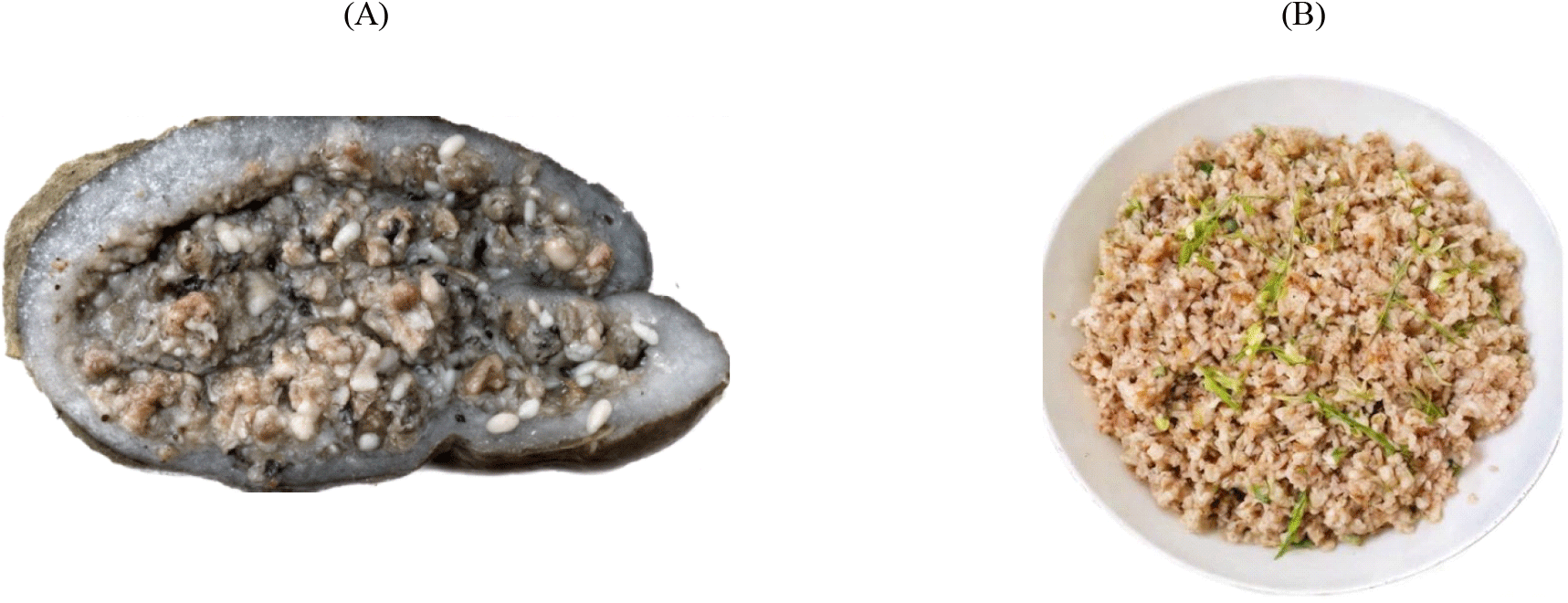
In Vietnam, the harvest season for black ant eggs (P. vicina) usually lasts from February to March in the lunar calendar, when ant nests reproduce vigorously. Each nest can provide from 0.1 to 0.2 kg of eggs, and on average, collectors can collect 1-2 kg of eggs after each trip to the forest. Although not yet widely used in the commercial industry, black ants (P. vicina) remain a valuable ingredient in the traditional cuisine of some ethnic groups in Vietnam’s highlands. In particular, the ant egg cake — a famous specialty of the Tay and Nung people in Cao Bang and Thai Nguyen — is made from black ant eggs stir-fried with scallions and fat, sandwiched between layers of cooked sticky rice flour, with a characteristic fatty flavor and rich in nutrients. In addition, black ants are also used in dishes such as egg cake, stir-fried egg, egg soup, ant egg sticky rice, or roasted and eaten directly as a protein-rich food (Fig. 2).
Despite their high nutritional value and distinctive flavor, black ants have not been as widely commercialized as the weaver ant (Oecophylla smaragdina) — a species with large, prominent nests on trees, easy to harvest, and can be raised semi-naturally. In Thailand, weaver ants are harvested as food and sold for about 3-6 USD/kg. Notably, when processed into seasoning products such as “weaver ant salt”, the price can increase to about 7-8 USD/kg. Meanwhile, black ant eggs in Vietnam are reported to have a much higher selling price, about 13 USD/kg, reflecting the rarity and difficulty of harvesting (Sribandit et al., 2008).
With abundant nutrients such as protein, fatty acids, antioxidants, and a distinctive fatty flavor, black ants have the potential to be developed into functional food products or high-end spices similar to yellow ant salt. If invested in semi-natural breeding, preservation, and processing, black ants can become a valuable indigenous resource while helping preserve the traditional culinary knowledge of highland ethnic groups.
Polyrhachis vicina is one of the insects highly valued for its biological value, due to its rich nutritional composition, including high protein content, unsaturated fatty acids, essential minerals, and health-beneficial antioxidant compounds. In addition, many studies have documented that it has the anti-inflammatory and antioxidant activities, showing great potential in the field of functional foods and medicine.
However, the exploitation and application of P. vicina still face many challenges. One major obstacle is that the possibility of artificial cultivation on a commercial scale remains unfeasible due to the complex biological characteristics and social behavior of this species (Zhang et al., 2008). Currently, the main source of raw materials remains wild collection, which both limits production and poses risks to long-term sustainability.
In addition, in-depth studies on the food applications of P. vicina are still relatively few, focusing mainly on compositional analysis or biological evaluation in animal models. The lack of clinical trials, toxicological studies, specific application products, and actual sensory evaluation is also a limitation that needs to be overcome. Another important barrier is consumer awareness of using insects as food.
Therefore, to effectively exploit the potential of P. vicina, further interdisciplinary research combining food technology, biology, marketing and behavioral science is needed to develop suitable products and enhance consumer acceptance in the future.
Beyond technical and economic challenges, the sustainable commercialization of P. vicina hinges on addressing critical safety concerns and overcoming significant consumer barriers. From a safety perspective, like all edible insects, P. vicina poses potential risks that must be managed. These include the accumulation of heavy metals (e.g., cadmium, lead) from the environment (Lenaerts et al., 2018), inherent allergenicity, particularly for individuals with shellfish allergies due to cross-reactivity with tropomyosin — and microbial risks (e.g., Salmonella, spore-forming bacteria) if processing and hygiene standards are inadequate (de Gier and Verhoeckx, 2018; van der Fels-Klerx et al., 2018). Establishing rigorous quality control protocols, implementing thorough decontamination processes (e.g., blanching, freeze-drying), and developing clear regulatory standards for edible insects are paramount to ensuring consumer safety (van der Fels-Klerx et al., 2018).
Perhaps the most formidable hurdle is consumer acceptance, which is highly influenced by cultural perceptions and sensory properties. In Western societies, the “disgust factor” and negative entomophobic attitudes remain primary barriers, often rooted in cultural associations of insects with dirt and disease (Verbeke, 2015). However, acceptance levels vary significantly across cultures; in many regions of Asia, Africa, and Latin America, insects are a traditional and cherished part of the diet. Strategic product development is key to overcoming reluctance. This includes incorporating processed insect flour into familiar foods like pasta, protein bars, or snacks to make the insect ingredient “invisible,” rather than presenting the whole insect (Verbeke, 2015). Furthermore, emphasizing the sustainability and nutritional benefits through effective marketing can positively influence attitudes, particularly among environmentally conscious consumers (Hartmann and Siegrist, 2017). Ultimately, conducting sensory studies specifically on P. vicina products to optimize taste, texture, and appearance is essential for successfully introducing this novel protein source to a global market.
6. Conclusions
Polyrhachis vicina Roger represents a biologically valuable insect resource, renowned for its high-quality protein, unsaturated fatty acids, and essential minerals. While not a complete nutritional source on its own, it demonstrates notable antioxidant and anti-inflammatory properties, as well as low toxicity, in preclinical studies. These characteristics highlight its potential for diverse applications in functional foods, traditional medicine, and pharmaceutical development. In Vietnam, P. vicina remains underutilized in food and medicine. To realize this potential, future studies should prioritize: (1) human clinical trials to verify its antioxidant and anti-inflammatory health benefits and (2) the development of functional food products — such as protein bars, supplements, or fortified foods — to evaluate consumer acceptance and sensory attributes. Such efforts are essential to transform P. vicina into a popular food and sustainable health solution for the future.