1. Introduction
The rising health awareness and consumers’ preference for consumable products with nutritional and health benefits continue to encourage food scientists and researchers to incorporate ingredients with such benefits into their production processes (Imam et al., 2024; Irondi et al., 2025). Bouillon cubes (BC) are now a necessary ingredient in daily food preparation. In many African diets and dishes, including Nigeria, it is widely used as a flavor, scent, and taste enhancer (Fadimatou et al., 2024; Oodee et al., 2023). Since their use began in the 17th century, BC have significantly replaced several fermented seeds and products that originally gave African dishes a variety of flavors and nutritional benefits (Oodee et al., 2023). Contemporary BC production also uses flavor enhancers such as monosodium glutamate, salt, and sugar (Lillian et al., 2013; Nwankwo and Omar, 2023). Furthermore, BC has been used not only as an enhancer but also as a means of fortifying food, such as providing micronutrients to alleviate micronutrient deficiency (Wessells et al., 2024). However, commercially available bouillons are less nutritious and have been linked to numerous health issues, including a higher risk of neurological conditions, hypertension, and cardiovascular problems, due to their main ingredients (Archer et al., 2022; Fadimatou et al., 2024). Consequently, it is crucial to produce BC with enhanced nutritional and health benefits using products with such qualities.
Spices are bio-nutrients or food derived from different plant parts, such as seeds, fruits, roots, dried leaves, barks, rhizomes, and flowers, and are widely utilized as food additives to enhance the sensory qualities of food, like flavor, aroma, taste, and color (Singh and Yadav, 2022), as well as for coloring and preservation (Earnest, 2019). Beyond these culinary functions, many species produce secondary metabolites with health-promoting properties, including anti-inflammatory, anti-mutagenic, antimicrobial, anti-aging, anti-atherosclerosis, and anticancer and antioxidant effects (Okoye et al., 2023). The selected spices, namely locust beans, ginger, and turmeric, and the crayfish used in this study for BC formulation, are known to possess some nutritional and health-benefiting properties in addition to being flavor enhancers.
Traditional seasonings, such as locust bean (Parkia biglobosa), are common legumes in Western Africa with significant nutritional and therapeutic properties in their leaves, roots, and stems (Adeloye and Agboola, 2020). Its seed is boiled and then fermented by microorganisms to produce a well-known traditional flavor used by many ethnic groups in Nigeria and surrounding nations as a dietary seasoning. Bacillus subtilis serves as the primary fermentation agent in this procedure, which enhances the nutritional profile, flavor, and digestibility of locust bean seeds (Awarun et al., 2025). Moreover, the fermentation increases the nutritional and bioactive components, thereby boosting its nutritional and health benefits (Adebo and Gabriela Medina-Meza, 2020). Zingiber officinale (ginger) is a flowering plant native to Southeast Asia and has since spread globally. Important components found in the ginger rhizome include protein (9%), carbohydrates (60-70%), ash (8%), fatty oil (3-6%), crude fiber (3-8%), volatile oil (2-3%), phenolic compounds, and terpenes (Ajanaku et al., 2022). It has been used for significant health benefits, including anti-inflammation, menstrual pain, gastrointestinal issues, blood sugar regulation, insulin sensitivity, and reduced cancer risk (Ajanaku et al., 2022). Similarly, turmeric (Curcuma longa) is a flowering plant native to Asia, particularly Central America and India. It is a plant-based source of red spice that can be used as a flavoring, coloring, and curry powder ingredient. Teas, extracts, and capsules containing turmeric powder are available (Idowu-Adebayo et al., 2021). It contributes flavor and spice to food and aids digestion. According to daily human needs, a tablespoon of turmeric powder contains sugar (0.3 g), fiber (2.1 g), protein (0.91 g), carbohydrate (6.31 g), fat (0.31 g), vitamin C (3%), manganese (26%), potassium (5%), and iron (16%) (Ajanaku et al., 2022; Restrepo-Osorio et al., 2020). Also, turmeric contains phytochemicals with significant health benefits, including anti-diabetic, anti-cancer, antioxidant, and cholesterol-lowering properties (Ajanaku et al., 2022). Furthermore, crayfish is the most affordable form of animal protein and is also a great source of sulfur-amino acids, lysine, and both macro- and micronutrients. The accumulation of astaxanthin in its shell, body, and tissues gives it its pinkish-red color. According to reports, this astaxanthin stabilizes the lipid content of food products, preventing rancidity and enhancing their organoleptic quality, thereby facilitating their consumption (Adegbusi et al., 2023).
Many earlier studies on bouillon focused on improving flavor, reducing salt, and fortifying it with micronutrients. However, recent studies on BC have included evaluating their nutritional and health benefits. With the growing evidence that combining bioactive compounds can have additive or synergistic effects, especially in improving antioxidant capacity and enzyme-inhibitory activities compared to single components alone (Hossain et al., 2023; Okoye et al., 2023), recent studies have reported the quality of BC from spice blends rather than individual spices (Agu et al., 2025; Ayah et al., 2025; Hossain et al., 2023; Ndife et al., 2022; Okoye et al., 2023). There is a paucity of information on the effects of the specific use of locust bean, crayfish, ginger, and turmeric blend on the nutrient composition, antioxidant activity, and starch-digesting enzyme-inhibitory activity of natural BC. Therefore, this study was designed to evaluate the nutrient composition, anti-radical, and starch-digesting enzyme inhibitory activities of natural BC formulated from ginger, turmeric, locust bean, and crayfish.
2. Materials and methods
The locust bean, crayfish, ginger, and turmeric (Fig. 1) used for this study were purchased from Oja Oba Market in Ilorin, Kwara State, Nigeria. They were carefully cleaned under running water to remove any dirt or contaminants. Following oven drying (30°C) for 5 days, each sample was ground into a fine powder utilizing a high-speed blender. The resulting powder was then stored in appropriately labeled, air-tight containers and kept (4°C) for subsequent analysis. The study used analytical-grade Sigma-Aldrich chemicals (St. Louis, Missouri, USA).
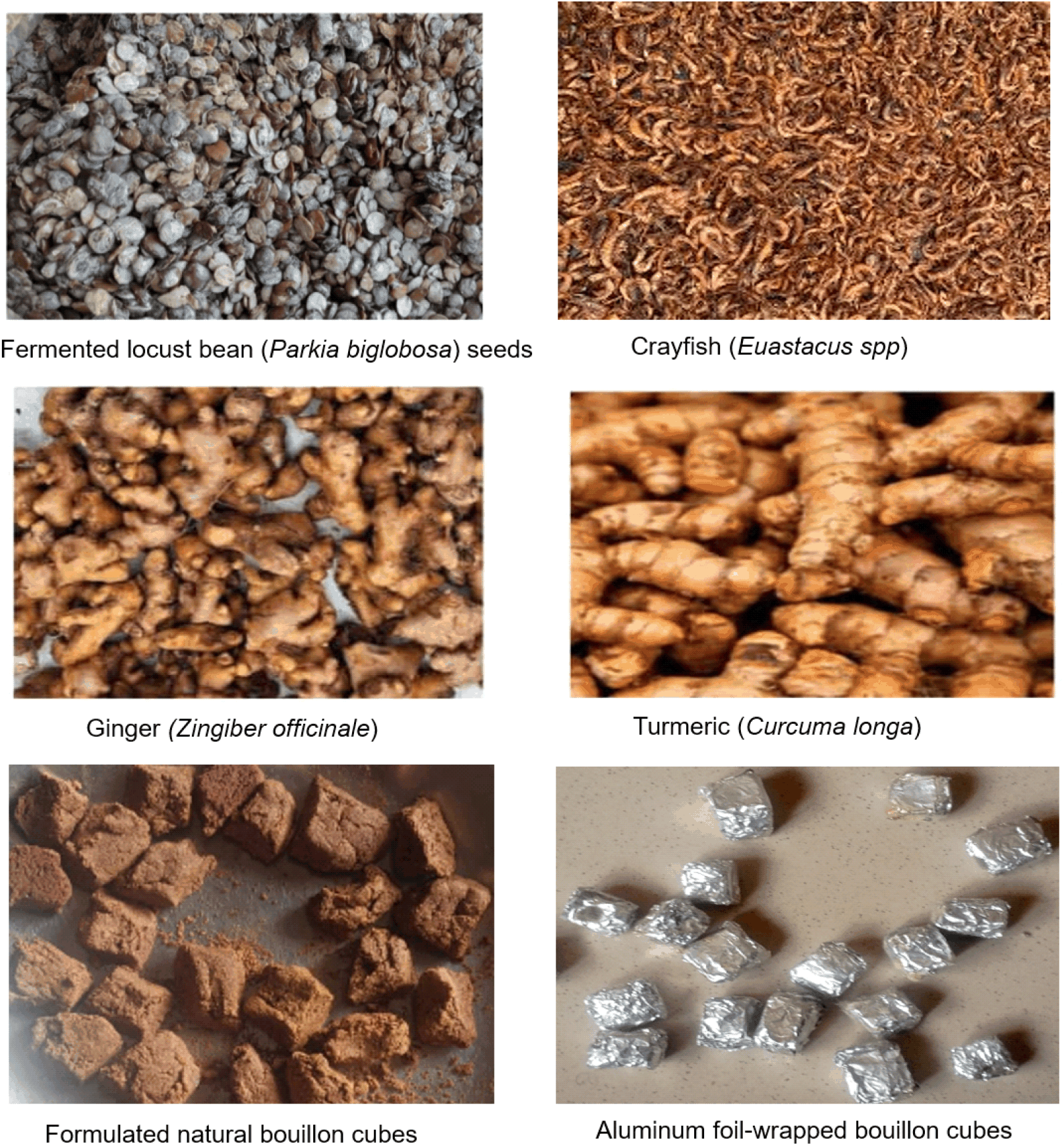
The BC were formulated as described by Bah et al. (2018) with some modifications. Initially, five spice blends were prepared using fine powders of locust beans (L), crayfish (C), ginger (G), and turmeric (T) mixed in specific proportions. These included: GLT (ginger 2.5 g, locust bean 10 g, turmeric 2.5 g), LCT (locust bean 10 g, crayfish 5 g, turmeric 2.5 g), GTC (ginger 2.5 g, turmeric 2.5 g, crayfish 5 g), GLC (ginger 2.5 g, locust beans 10 g, crayfish 5 g) and GLTC (ginger 2.5 g, locust beans 10 g, turmeric 2.5 g, and crayfish 5 g). The frying pan was heated on a hot plate (60°C) for 60 sec. Thereafter, soya vegetable oil (4.5 g) was added and heated for 60 sec. Each blend was then mixed at low speed with the oil (4.5 g) for 5 min to obtain a homogeneous mixture. The blend mixture was then shaped into cubes (10 g each), wrapped in aluminum foil (Fig. 1), packed in a sealed polythene bag, appropriately labeled, and stored at ambient temperature for analysis.
The proximate constituents of the flour samples were quantified using the AOAC (2012) technique. Briefly, the samples were oven-dried at 105°C to a consistent weight to determine the moisture content (Sáez-Plaza et al., 2013). Petroleum ether was used to extract crude fat using the Soxhlet technique, and the ash content was determined by weighing the residue after heating the sample to 525°C for 4 h. The samples’ nitrogen conversion factor was 6.25, and their crude protein content was estimated following the micro-Kjeldahl technique (Sáez-Plaza et al., 2013). The total carbohydrates were calculated by subtracting the percentages of moisture, ash, fat, and protein from 100. Metabolizable energy is obtained using the formula below:
The total free sugar and starch content of BC was quantified using the procedure described by Irondi et al. (2025). Total free sugar and starch were extracted by mixing the sample (0.02 g) with 1 mL of 80% ethanol, 10 mL of 80% hot ethanol, and distilled water (2 mL). The mixture was centrifuged (Unigold Medical, 80-24, England) for 10 min at 2,000 rpm, and the supernatant (S1) was collected. An aliquot of the supernatant (0.2 mL) was mixed with 0.5 mL of 5% phenol solution and 2.5 mL of concentrated H2SO4 for the total free sugar analysis. After that, the residue was subjected to acid hydrolysis for 1 h with concentrated perchloric acid (7.5 mL). The resultant hydrolysate was filtered with No. 2 Whatman filter paper and diluted with distilled water (25 mL). Then, in a test tube, the filtrate (0.05 mL) was mixed with concentrated H2SO4 (2.5 mL) and 5% phenol solution (0.5 mL). After allowing the reaction mixture of sugar and starch to cool to room temperature, the absorbance at 490 nm using a UV-Vis spectrophotometer (Simtronics, SE 805, India) was used to measure. The percentage of sugar and starch was then calculated using a glucose calibration curve and a conversion factor (0.9).
The estimation of amylose and amylopectin contents of the flour samples was done following the method employed by Irondi et al. (2021). Approximately 100 mg of the sample was mixed with 1 mL of 95% ethanol and 9 mL of 1 N NaOH. The resultant mixture was heated to 100°C for 10 min in a water bath to gelatinize the starch. After the extract cooled at room temperature, it was diluted 10 times (1:10). The diluted extract (0.5 mL) was then combined with 0.1 mL of acetic acid solution (1 N), 0.2 mL of iodine solution (0.2 g I2 in 2 g KI in 100 mL of distilled water), and 9.2 mL of distilled water. The mixture was shaken after 20 min of color development at room temperature, and a UV/visible spectrophotometer (Simtronics, SE 805, India) was used to measure the absorbance at 620 nm. The sample amylose content was then ascertained using the amylose standard. The percentage amylopectin concentration of the sample was estimated by difference as follows:
The methanolic extract of BC was prepared using the procedure described by Irondi et al. (2022). In a covered 50 mL centrifuge tube, 0.3 g of the material was mixed with 15 mL of methanol and agitated constantly for an hour at room temperature. The mixture was left overnight and filtered to yield methanolic extract (supernatant), which was collected and stored at −4°C until analysis.
The methanol extracts were used to quantitatively determine the secondary metabolite contents (total phenols, flavonoids, tannins, and saponins) of the natural BC using the standard procedures described by Irondi et al. (2022). The total phenolic, flavonoid, tannin, and saponin contents were expressed as gallic acid equivalents (GAE, mg/g), quercetin equivalents (QE, mg/g), tannic acid equivalents (TAE, mg/g), and diosgenin equivalents (DE, mg/g), respectively.
The extracts of the natural BC samples were evaluated for their ability to scavenge ABTS•+ radicals using the method described by Kareem et al. (2023). An equal amount of a 7 mM ABTS•+ aqueous solution was incubated with K2S2O8 (2.45 mM) in the dark for 16 h at room temperature to form the ABTS•+ radical. The absorbance at 734 nm was subsequently corrected to 0.7±0.02 using 95% ethanol. After 15 min, the absorbance was measured at 734 nm after adding 0.2 mL of the appropriate extract dilution to 2.0 mL of ABTS•+ solution. ABTS-scavenging capacity expressed as SC50 (extract concentration scavenging ABTS*+ by 50%), was calculated and expressed as Trolox equivalent antioxidant capacity (TEAC). The following formular was used:
The following formula was used to determine the percentage (%) inhibition of α-glucosidase:
Following the method of Elemosho et al. (2021), the reducing power of the methanolic extracts of BC was evaluated by measuring their capacity to reduce FeCl3 solution. Briefly, 2.5 mL of 200 mM sodium phosphate buffer (pH 6.6), 2.5 mL of 1% potassium ferricyanide, and a 2.5 mL aliquot of the extract were combined. After 20 min of incubation at 50°C, 2.5 mL of 10% trichloroacetic acid was added to the mixture. For 10 min, this mixture was centrifuged (Unigold Medical, 80-24, England) at 650 rpm. Next, 5 mL of the supernatant was mixed with 1 mL of 0.1% ferric chloride and an equivalent volume of water. At 700 nm, the absorbance was measured. After that, the ferric-reducing power was computed.
Following the method previously described by Abdulrazaaq et al. (2024). Alpha-glucosidase inhibitory activity was carried out using α-glucosidase (EC 3.2.1.20) and para-nitrophenyl glucopyranoside (PNPG) as the substrate. Briefly, five units of α-glucosidase were incubated for 15 mis with 20 μg/mL of the various natural BC methanol extracts. The hydrolytic reaction was initiated by adding 3 mM dissolved in 20 mM phosphate buffer, pH 6.9. The hydrolytic reaction was halted by adding 2 mL of 0.1 M Na2CO3 after 20 min at 37°C. At 400 nm, the absorbance of the yellow p-nitrophenol that was generated during PNPG hydrolysis was measured. The following formula was used to determine the percentage (%) inhibition of α-glucosidase:
The method described by Abdulrazaaq et al. (2024) was used to evaluate the alpha-amylase inhibitory activity. This experiment uses soluble starch (substrate) and pig pancreatic α-amylase (EC 3.2.1.1). For ten minutes, 500 μL of 0.02 M sodium phosphate buffer (pH 6.9 with 0.006 M NaCl) containing 0.5 mg/mL α-amylase solution and various dilutions of methanol extract of the natural BC samples were incubated at 37°C. Next, 500 μL starch solution (1%) was added to 0.02 M sodium phosphate buffer. After 15 min of incubation at 37°C, the reaction was terminated with 1.0 mL of DNSA color reagent (12% sodium potassium tartrate in 0.4 M NaOH and 1% 3, 5-dinitrosalicylic acid). Next, the reaction mixture was incubated (37°C) for 5 min in a boiling water bath, cooled to room temperature, and diluted with 10 mL of distilled water. The absorbance was measured at 540 nm, and the percentage (%) of α-amylase inhibition was estimated as follows:
3. Results and discussion
Table 1 presents the proximate composition of ginger, locust bean, crayfish, and turmeric samples, as well as the BC blends (GLT, LCT, GTC, GLC, and GLTC). Among the raw samples, crayfish stood out with exceptionally higher protein (65.16±0.12%) and ash content (16.00±0.04%), but lower moisture (9.13±0.55%), total carbohydrate content (7.87±0.83%), and metabolizable energy (73.74 kcal/100 g). In contrast, turmeric is significantly (p<0.05) highest in total carbohydrates (68.76±0.37%) and metabolizable energy (307.75±1.49 kcal/100 g). The carbohydrate content of turmeric (68.76±0.37%) is higher than the value (42.01±0.13%) reported in previous studies of Awarun et al. (2025). Among the BC blends, GLC showed the highest protein content (39.43±0.16%), and the highest moisture (18.22±0.31%). At the same time, GLT had the lowest protein (28.33±0.40%), total carbohydrate (34.03±0.04%), and metabolizable energy (339.50±0.83 kcal/100 g) content. There was no significant difference (p>0.05) in the carbohydrate contents of LCT (50.65±0.22%) and GTC (50.89±0.76%). Similarly, the metabolizable energy of LCT (358.03±1.46 kcal/100 g), GTC (357.72±1.68 kcal/100 g), and GLTC (357.98±2.07 kcal/100 g) is statistically comparable (p>0.05). This shows that while GLC is a protein-rich BC, LCT, GTC, and GLTC demonstrated higher energy values. The moisture contents of the formulated BC (12.61±0.38-18.22±0.31%) are higher than the moisture content (9.64-16.44%) of seasoning cubes made from local spices (Piper guineense, Xylopia aethiopica, Monodora myristica, and Zingiber officincale) by Ndife et al. (2022) and the moisture content of commercial seasonings (0.99-3.01%) reported by Lillian et al. (2013). Similarly, the protein contents (28.33±0.40-39.43±0.16%) are higher than the protein contents for local spices-based seasoning cubes (6.60-12.38%) (Ndife et al., 2022) and commercial seasonings (9.18-12.87%) (Lillian et al., 2013) but lower than the pumpkin BC protein content (40.32-44.06%) reported by Akintade et al. (2024). Similarly, the pumpkin BC had a higher energy value (521.57-538.49 kcal/100 g) (Akintade et al., 2024) than the formulated BC (344.66±0.74-358.03±1.46 kcal/100 g) in this study. In addition, the carbohydrate content of the BC (34.03±0.04-50.89±0.76) is lower than the carbohydrate content (50.42±7.61-70.29±1.99%) of the seasoning cubes produced from ginger, turmeric, rosemary, nutmeg, and clove (Agu et al., 2025).
Furthermore, the formulated BC had significant (p<0.05) proximate contents, indicating their potential nutritional advantages. The protein content of BC, particularly GLC, which has the highest protein content, indicates that BC can perform essential physiological functions, such as the production of hormones, enzymes, antibodies, and human structural material (Elemosho et al., 2020; Irondi et al., 2024a). The primary energy source for cells is the available carbohydrates. GLT with the lowest carbohydrate content can be significant in preventing weight gain and chronic cardiovascular illnesses (Salehi and Walters, 2023). Further, the natural BC, particularly LCT and GTC, due to their low-fat content, can help control weight, strengthen the heart, reduce the risk of chronic illnesses, and increase insulin sensitivity (Mozaffarian et al., 2019). The result also shows the presence of ash in the natural BC, which constitutes the inorganic residue left over after burning and indicates the BC’s mineral composition. This can serve as a vital nutrient, playing a role in many physiological, metabolic, and developmental processes (Irondi et al., 2024b).
The carbohydrate profiles of ginger, turmeric, locust bean, and the natural BC samples, in terms of free sugar, amylose, amylopectin, and starch content, are presented in Table 2. Among the individual samples, turmeric, which had the highest carbohydrate content, also had the highest (p<0.05) free sugar (12.50±0.15%) and starch (61.54±0.78%) contents. Conversely, locust beans had the highest amylose content (18.83±0.06%) and amylose/amylopectin ratio (0.23±0.00%), while ginger had the lowest amylose (13.90±0.07%) but the highest amylopectin (86.10±0.08%) content. This shows that turmeric could be a significant contributor of free sugar and starch in the natural BC blend. The amylose content of turmeric (14.41±0.09%) reported in this study is lower than the value reported in previous studies (48.4±2.8%) by Kuttigounder et al. (2011). This variation may be attributed to differences in cultivar, environmental growing conditions, and rhizome maturity (Nogueira et al., 2025). As a legume, the starch present in locust beans may contribute to gel stiffness and stability due to the functional properties of legume starches (Obadi and Xu, 2024).
Among the natural BC, there were no significant differences (p>0.05) in the free sugar of GLT (42.61±0.42%), LCT (41.17±0.07%), and GLC (42.17±1.80%). Since sugar contributes to product sweetness (Eke-Ejiofor et al., 2021), GLT, LCT, and GLC are expected to impart similar sweet tastes. Furthermore, GTC had the lowest starch content (p<0.05), whereas the other groups did not differ significantly (p>0.05). GLTC differed significantly from the other groups in amylose, amylopectin, and the ratio. The amylose-to-amylopectin ratio of the natural BC can influence their blood glucose response and glycaemic index, with higher amylopectin and lower amylose content leading to a higher glycaemic index due to greater digestibility by human duodenal α-amylase (Elemosho et al., 2020; Irondi et al., 2021). Accordingly, compared to the other natural BC, GLTC with the lowest amylose content (64.94±0.16%), the lowest amylose/amylopectin ratio (1.85±0.15), and the highest amylopectin (35.06±0.16%) may exhibit increased digestibility and a concomitant higher glycaemic index (Elemosho et al., 2020; Irondi et al., 2021).
The secondary metabolite contents of the natural BC, including ginger, turmeric, and locust bean, are presented in Table 3. There was a significant (p<0.05) difference in the level of secondary metabolite content across the samples. Among the individual samples, ginger had the highest (p<0.05) total phenolics contents (15.57±0.96 GAE mg/g), while turmeric exhibited the highest tannin (4.70±0.01 TAE mg/g), total flavonoids (11.84±0.14 QE mg/g), and total saponins (8.04±0.01 DE mg/g) contents. This trend is consistent with the report by Fuloria et al. (2022), which found that turmeric is a good source of secondary metabolites with important health benefits. Similarly, Tohma et al. (2017) and Tohma et al. (2017) reported that ginger is a rich source of polyphenolics, notably gingerols and shogaols.
Among the natural BC blends, GLT recorded the highest value of total phenolics contents (109.31±0.96 GAE mg/g), which was significantly higher (p<0.05) than all other groups. LCT showed a moderate value (84.93±0.10 GAE mg/g) and differed significantly from GLTC (72.42±13.12 GAE mg/g). The total phenolic contents of GTC (76.94±0.07 GAE mg/g) and GLC (82.29±0.12 GAE mg/g) were not significantly different from those of LCT and GLTC (p>0.05). The tannin content of LCT (9.77±0.01 TAE mg/g) and GTC (9.63±1.47 TAE mg/g) did not differ statistically (p>0.05). Similarly, the tannin content of GLT (12.72±0.01 TAE mg/g) and GLC 12.55±0.12 TAE mg/g) were statistically comparable (p>0.05). GLTC (62.98±1.42 QE mg/g) and GTC (64.76±0.15 QE mg/g) had the lowest total flavonoid contents. Furthermore, GLT recorded the highest total saponin contents (16.80±0.96 DE mg/g) and differed significantly from the other natural BCs. The flavonoid contents of the natural BC (62.98±1.42-98.07±10.90 mg/g) are higher than the flavonoid content (0.12 mg/100 g) of the commercial seasoning (Maggi star) reported by Ndife et al. (2022). Similarly, the tannins (7.77±0.14-12.72±0.01 mg/g) and total saponins (15.34±0.02-16.80±0.96 mg/g) contents of the formulated BC are higher than the tannins (1.94-2.92 mg/g) and total saponins (2.06-2.87 mg/g) contents reported for pumpkin BC (Akintade et al., 2024). Thus, the natural BC can render important health benefits since the secondary metabolites quantified in the BC are noteworthy for a variety of health-promoting properties, including anti-inflammatory, anti-microbial, anti-obesity, anti-diabetic, antioxidant, and anti-hypertensive actions (Imam et al., 2024; Irondi et al., 2022; Irondi et al., 2025).
Table 4 shows the inhibitory activity of the ingredients (ginger, tumeric and locust beans) and natural BC on starch-digesting enzymes (α-glucosidase and α-amylase). The concentrations of the sample’s extract that induced 50% inhibition (IC50 mg/mL) of the starch-digestive enzymes demonstrated that the natural BC had a strong inhibitory effect on the enzymes. The α-glucosidase IC50 ranged from 28.95±9.21 mg/mL (ginger) to 391.01±0.78 mg/mL (GLTC), and the α-amylase IC50 range 43.87±6.67 mg/mL (ginger) to 117.98±1.00 mg/mL (GLTC). The lower the IC50 value, the better the inhibition. This implies that among the ingredients, ginger exhibited the greatest enzymes-inhibitory activity. Among the natural BC, there was no significant difference (p>0.05) in the inhibitory activity of GLT (IC50, 221.08±9.21 mg/mL) and GLC (IC50, 259.13±3.12 mg/mL) on α-glucosidase. GLT had the lowest α-amylase inhibitory value (IC50: 81.24±0.66 mg/mL); however, GLTC had the highest IC50 value for α-glucosidase (391.01±0.78 mg/mL) and α-amylase (117.98±1.00 mg/mL). This shows that GLTC had weak inhibition of α-glucosidase and α-amylase. Since the lower the IC50 value, the better the enzyme-inhibitory activity (Irondi et al., 2022). A similar report by Akintade et al. (2024) also demonstrated inhibitory activities of pumpkin BC against α-glucosidase (67.87%-88.13%) and α-amylase (46.21%-51.08%). Alpha-glucosidase and α-amylase are crucial for the breakdown of starch. The ability of the natural BC to inhibit the α-glucosidase and α-amylase indicates that they can serve as a functional product to control postprandial blood glucose, which is a clinical strategy for controlling type-2 diabetes mellitus and obesity (Abdulrazaaq et al., 2024; Irondi et al., 2022; Irondi et al., 2024b).
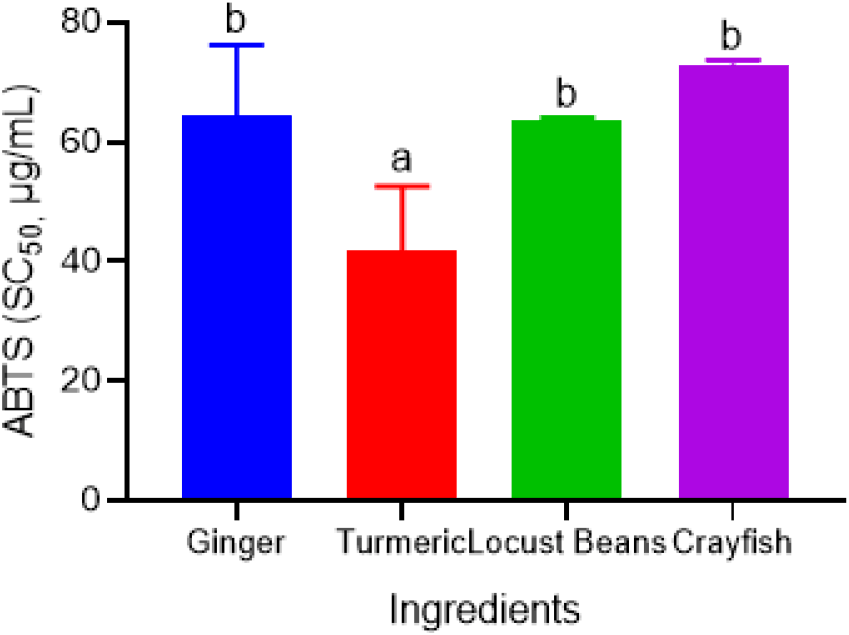
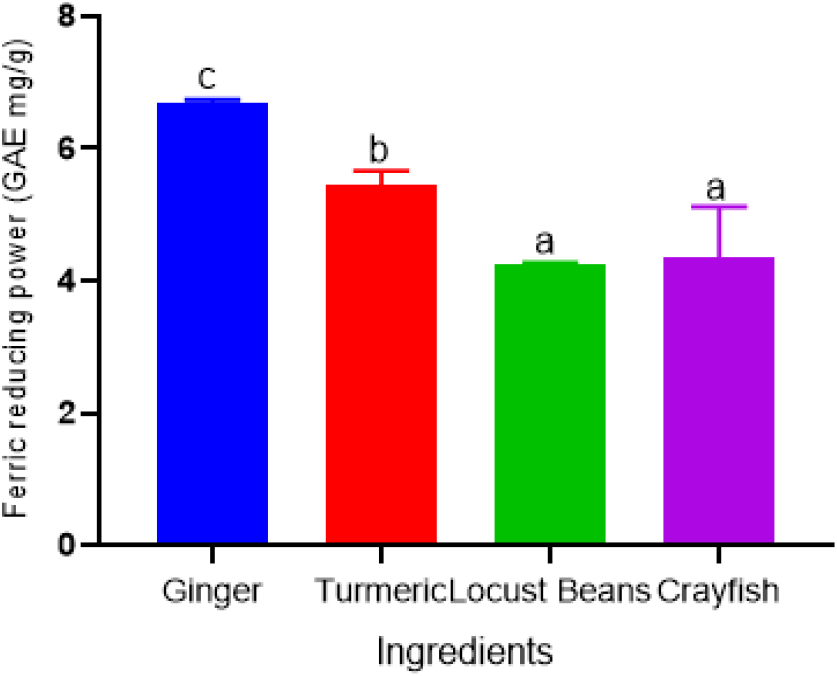
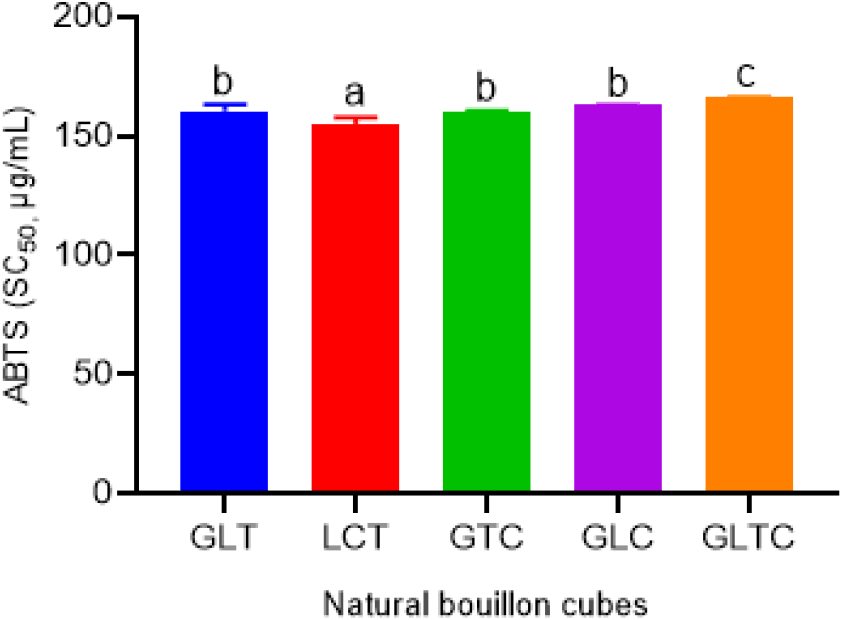
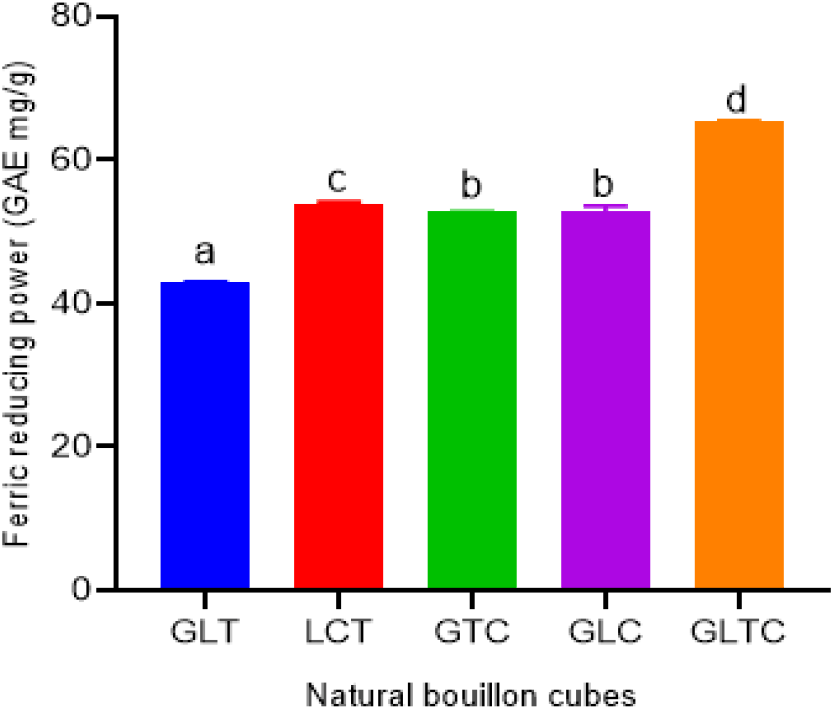
The antioxidant activities of the methanol extracts of the ingredients and natural BC are depicted in Fig. 2–5 in terms of ABTS radical-scavenging and ferric reducing power. The ABTS radical-scavenging (Fig. 2) and ferric reducing power (Fig. 3) results showed that the samples had significant (p<0.05) antioxidant activity. Ginger demonstrated greater ferric reducing power, confirming its strong electron-donating ability, as previously reported by Mao et al. (2029). The antioxidant activity (Fig. 4 and 5) of the natural BC showed that the GLTC blend exhibited the strongest ferric reducing power (62.28 GAE mg/g), while GLT had the weakest ferric reducing power (42.94 GAE mg/g). Conversely, GLTC had the weakest ABTS radical-scavenging activity, owing to its highest concentration to scavenged 50% (SC50) of ABTS*+ radical (SC50 166.32 μg/mL), since an extract with a higher SC50 is less effective at scavenging free radicals (Irondi et al., 2022). However, LCT showed strong ABTS radical scavenging activity (SC50: 154.96 μg/mL), indicating a high scavenging capacity. Similarly, Akintade et al. (2024) reported notable antioxidant activity in pumpkin BC. The ferric reducing power value of the formulated natural BC (42.94-62.28 GAE mg/g) falls within the range of the pumpkin BC (58.61-63.10 mg/g) reported. The secondary metabolites (total phenolics, tannins, and total flavonoids) quantified in the samples in this study are prominent for their antioxidant activity, which they exert through diverse mechanisms (Irondi et al., 2022; Imam et al., 2024). The natural BC’s antioxidant qualities can help preserve its nutritional value and wholesomeness, as well as assist in preventing or lessening oxidative stress, which is a common factor in the pathophysiology of many disorders, including diabetes mellitus and obesity (Imam et al., 2024; Irondi et al., 2022; Irondi et al., 2024b; Kareem et al., 2023).
4. Conclusions
This study developed natural BC from ginger, turmeric, locust beans, and crayfish at varying formulations and evaluated their nutritional composition, anti-radical, and starch-digesting enzyme-inhibitory. The findings showed that the formulated natural BC contained substantial amounts of nutrients, metabolizable energy, and secondary metabolites. In addition, they exhibited notable anti-radical activity and inhibitory capacity against starch-digesting enzymes, indicating potential health-promoting functionality beyond basic seasoning purposes. Their nutritional, antioxidant and starch-digesting enzyme-inhibitory properties suggest possible synergistic interactions among the incorporated ingredients, providing evidence that locust beans, crayfish, ginger, and turmeric can be strategically used to develop value-added seasoning products with both nutritional and functional benefits. Therefore, the natural BC formulated with locust beans, crayfish, ginger and turmeric may serve as a promising alternative seasoning product with nutritional and health-promoting properties. However, sensory evaluation was not conducted in this study; therefore, it should be considered in future studies to assess consumer acceptability.