

1. Introduction
Among the greenhouse gases contributing to global warming, methane (CH4) is mainly emitted from ruminant respiration and flatulence during feed digestion. Livestock, particularly ruminants, are major contributors to methane emissions (Johnson et al., 2007). With industrial development and population growth, the demand for the food production, including animal protein, has increased, and meat serves as a major protein source, accounting for 15% of the total protein consumed by humans (Jeong and Jo, 2018). However, livestock farming has a substantial environmental impact in terms of greenhouse gas emissions and resource consumption, such as water and energy (Steinfeld et al., 2006). Accordingly, there is a growing need to produce meat analogs as alternative protein sources in order to address increasing meat consumption and the resulting environmental problems (Asgar et al., 2010).
Meat analogs are foods manufactured using plant proteins in forms similar to meat, ranging from products based on protein filaments to textured plant protein products (Kumar et al., 2017). These meat analogs can be produced using various technologies, including the extrusion process, shear cell technology, wet and electrospinning processes, and mycoprotein cultivation (Zhang et al., 2022). Among these, the extrusion process has the advantage of enabling various unit operations, such as mixing, grinding, heating, sterilization, and drying, to be performed continuously within a short time, thereby allowing efficient production of products in diverse forms (Gu and Ryu, 2012). The extrusion process is an efficient technology capable of producing meat analogs with a wide range of shapes, textures, and functional properties under conditions involving various raw materials, high temperature, high pressure, and shear force (Offiah et al., 2019). Because the raw materials used during extrusion can alter the nutritional composition of meat analogs, the use of food by-products such as citrus peel may offer environmental benefits while also contributing to the added value of these by-products.
Citrus peel is a by-product remaining after the pulp is removed from citrus fruits. It has been reported to help improve circulatory diseases such as hypertension, diabetes, and blood cholesterol levels, and contains abundant phenolic compounds that exhibit antioxidant, antimicrobial, anti-inflammatory, and anticancer activities (Brito et al., 2014; Jeong et al., 2004). For these reasons, citrus peel has been widely utilized as a food by-product, including in herbal medicine. In addition, citrus peel is rich in carbohydrates, proteins, and dietary fiber, making it an attractive material for various food processing applications (Eun et al., 1996; Park et al., 2015).
Jerky is regarded as a premium food in Korea, and research on jerky has been actively conducted due to its high protein content, low weight, and convenience in transportation and storage, making it a practical snack food (Park et al., 2007). Jerky is characterized by extended shelf life through curing and drying processes, which inhibit microbial growth and lower water activity (Hu et al., 2017). In addition, the sugar and salt added to jerky suppress microbial growth (Kuo and Ockerman, 1985), and spices may help mask the beany off-flavor of plant-based meat analogs. By utilizing the functional properties of citrus peel, it may therefore be possible to develop functional plant-based jerky.
Although studies have been conducted on morning bread and cookies supplemented with citrus peel (Choi, 2021; Lee et al., 2016), research on alternative foods utilizing citrus peel remains relatively limited. Therefore, this study aims to propose an effective utilization strategy for citrus by-products by manufacturing plant-based meat analog jerky supplemented with citrus peel using the extrusion process.
2. Materials and methods
The formulation used in this study consisted of 50% isolated soy protein (Pingdingshan TianJing Plant Albumen Co., Ltd., Henan, China), 40% wheat gluten (Roquette Frères, Lestrem, France), and 10% corn starch (Samyang Corp., Ulsan, Korea). In addition, citrus peel powder (Pu Reun San Co. Ltd., Jeju, Korea) was incorporated at varying levels (0-5%, w/w).
A twin-screw extruder (THK31T, Incheon Machinery Co., Incheon, Korea) was used in this study. Low-moisture extrusion was performed under the following processing conditions: 40% moisture content, 160°C barrel temperature, and 250 rpm screw speed. A die specifically designed for low-moisture extrusion, with dimensions of 1 cm in height, 0.45 cm in width, and 7.5 cm in length, was used.
After extrusion, the produced meat analogs were sectioned into approximately 1 × 1 cm pieces and dried at 50°C in a hot-air dryer (FC-PO-250, Lap House, Pocheon, Korea) for 36 h. The dried samples were then pulverized using a household grinder (FM-909T, Hanil, Haman, Korea), and the powder passing through 50-70 mesh was used for chemical analyses.
Water holding capacity (WHC) of the extruded meat analogs was evaluated following a modified protocol adapted from Gu and Ryu (2017). For this analysis, 4 g of dried samples were rehydrated at 90°C for 30 min using a temperature-controlled water bath. The rehydrated samples were subsequently separated using a 20-mesh sieve and drained for 15 min prior to weighing. WHC was then calculated based on Equation (1).
Texture profile analysis (TPA) of the extruded meat analogs was conducted using a Sun Rheometer (Compac-100II, Sun Sci. Co., Tokyo, Japan). The dried meat analogs were first hydrated in a water bath at 90°C for 30 min and allowed to drain for 15 min. Texture properties were analyzed using a 2.5 cm diameter cylindrical probe with a 10 kg maximum peak stress, and the probe speed was set at 100 mm/min. Springiness, cohesiveness, and chewiness were measured in six replicates. Parameters including springiness, cohesiveness, and chewiness were derived based on Equations (2), (3), and (4) described by Trinh and Glasgow (2012).
D1: Distance of first occurred maximum stress
D2: Distance of second occurred maximum stress
A1: Area of first occurred maximum stress
A2: Area of second occurred maximum stress
The cutting strength of the extruded meat analogs was determined in six replicates using a Sun Rheometer (Compac-100II, Sun Sci. Co.). The measurements were performed using a cutting probe (0.75 × 3.83 cm) with a 2 kg maximum peak stress, and the probe speed was set at 100 mm/min. The cutting strength was calculated according to Equation (5) described by Trinh and Glasgow (2012).
A modified version of the method described by Brand-Williams et al. (1995) was applied to determine the 2,2-diphenyl-1-picrylhydrazyl (DPPH) free radical scavenging activity of the extruded meat analogs. Briefly, 2 g of dried sample powder with a uniform particle size was extracted with 80% ethanol at room temperature for 2 h. The extract was centrifuged at 3,000 rpm for 30 min using a centrifuge (T04B, Hanil Scientific Inc., Korea). The DPPH solution was prepared by dissolving 0.0024 g of DPPH reagent in 100 mL of methanol with thorough mixing. Subsequently, 0.1 mL of the collected supernatant was combined with 3.9 mL of DPPH solution and kept under dark conditions at ambient temperature for 30 min. The absorbance was recorded at 515 nm using a spectrophotometer (Biowave 3, Biochrom WPA, Co., Ltd., USA). Equation (6) was used to calculate the DPPH radical scavenging activity.
A0: Absorbance of the blank
A: Absorbance of the sample
The total phenolic content (TPC) of the extruded meat analogs was measured using a modified method based on Krishnaiah et al. (2011). Briefly, 2 g of dried sample powder with a uniform particle size was extracted with 80% ethanol at room temperature for 2 h. The extract was centrifuged at 3,000 rpm for 30 min using a centrifuge (T04B, Hanil Scientific Inc.). An aliquot of 0.3 mL of the supernatant was mixed with 1.5 mL of 10% (v/v) Folin-Ciocalteu reagent and allowed to react for 5 min. Subsequently, 1.5 mL of Na2CO3 (60 g/L) was added and mixed thoroughly. After incubation at room temperature for 2 h, the absorbance was measured at 765 nm using a spectrophotometer (Biowave 3, Biochrom WPA, Co., Ltd.). The total phenolic content was expressed as mg gallic acid equivalents per gram of dried sample (mg GAE/g).
The preparation process of plant-based jerky supplemented with citrus peel using the extrusion process is presented in Fig. 1. After extrusion, the citrus peel-supplemented meat analogs were cut into 5 cm lengths and subjected to pressing and dehydration. The samples were then seasoned with a mixture containing 30 mL soy sauce (Sempio Foods Co., Ltd., Icheon, Korea), 20 g sugar, 10 mL water, 1.5 g black pepper, 2 g red pepper powder, and 5 mL sesame oil. After being marinated in the seasoning mixture for 2 h, the samples were dried at room temperature for 1 day.
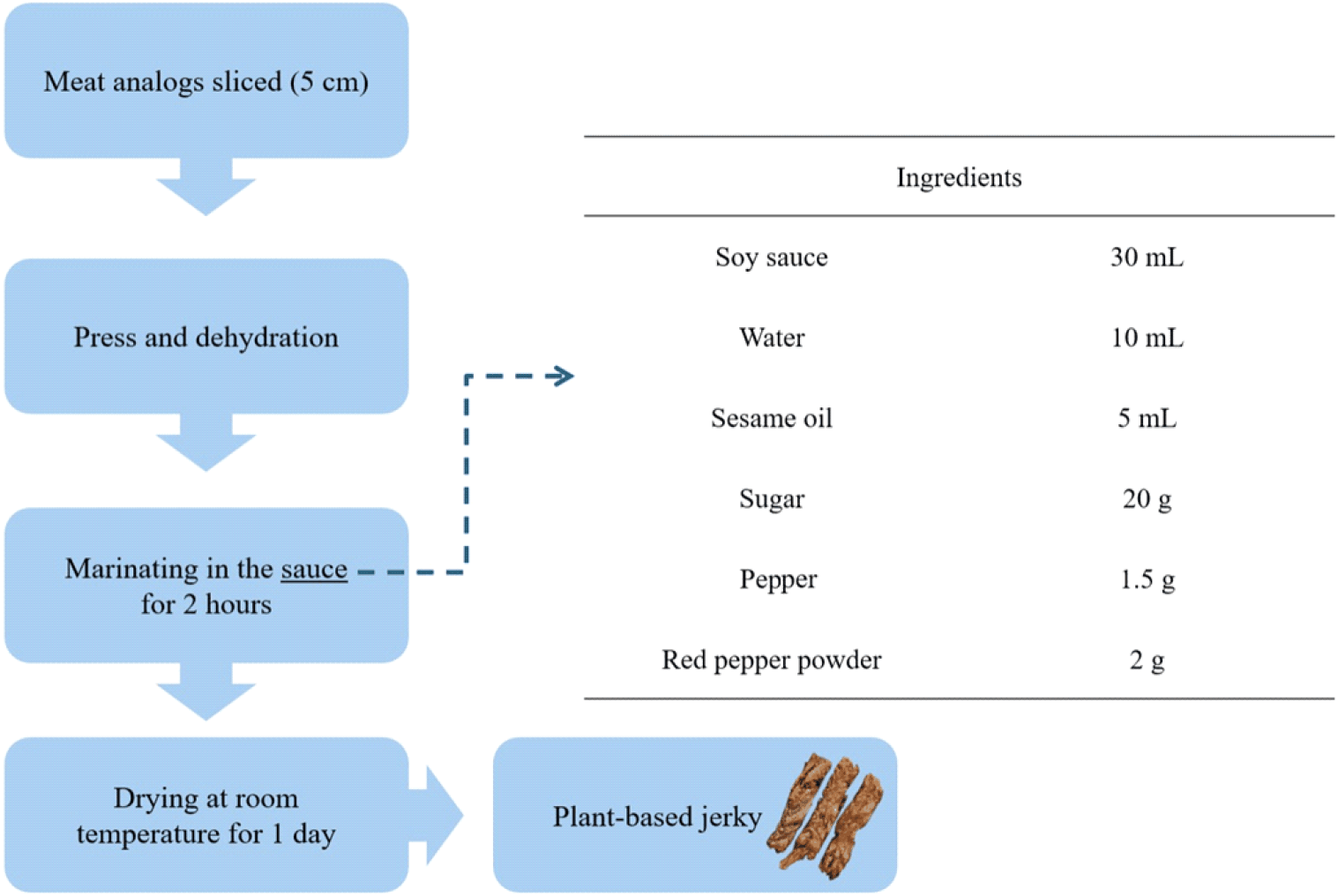
Plant-based jerky containing citrus peel was produced by extrusion. Its color characteristics were then measured using a colorimeter (Chromameter CR-200, Minolta Co., Ltd., Osaka, Japan). Measurements were performed in triplicate, and the mean values were recorded.
The product yield of plant-based jerky supplemented with citrus peel produced using the extrusion process was determined based on weight changes before and after processing. Samples were cut into 1 × 1 × 1 cm pieces, followed by marination in a prepared sauce for 2 h and subsequent drying at room temperature for 24 h. The weights of the samples were measured before marination and after drying, and all measurements were performed in triplicate. The value was determined according to Equation (7) described by Biswas et al. (2006).
W1: Initial weight of the plant-based jerky before marination
W2: Final weight of the plant-based jerky after drying
Data analysis was performed with IBM SPSS Statistics (v27, IBM Corp., Armonk, NY, USA). Statistical differences among treatments were examined using one-way ANOVA, and Duncan’s multiple range test was subsequently applied for multiple comparisons, with significance defined at p < 0.05.
3. Results and discussion
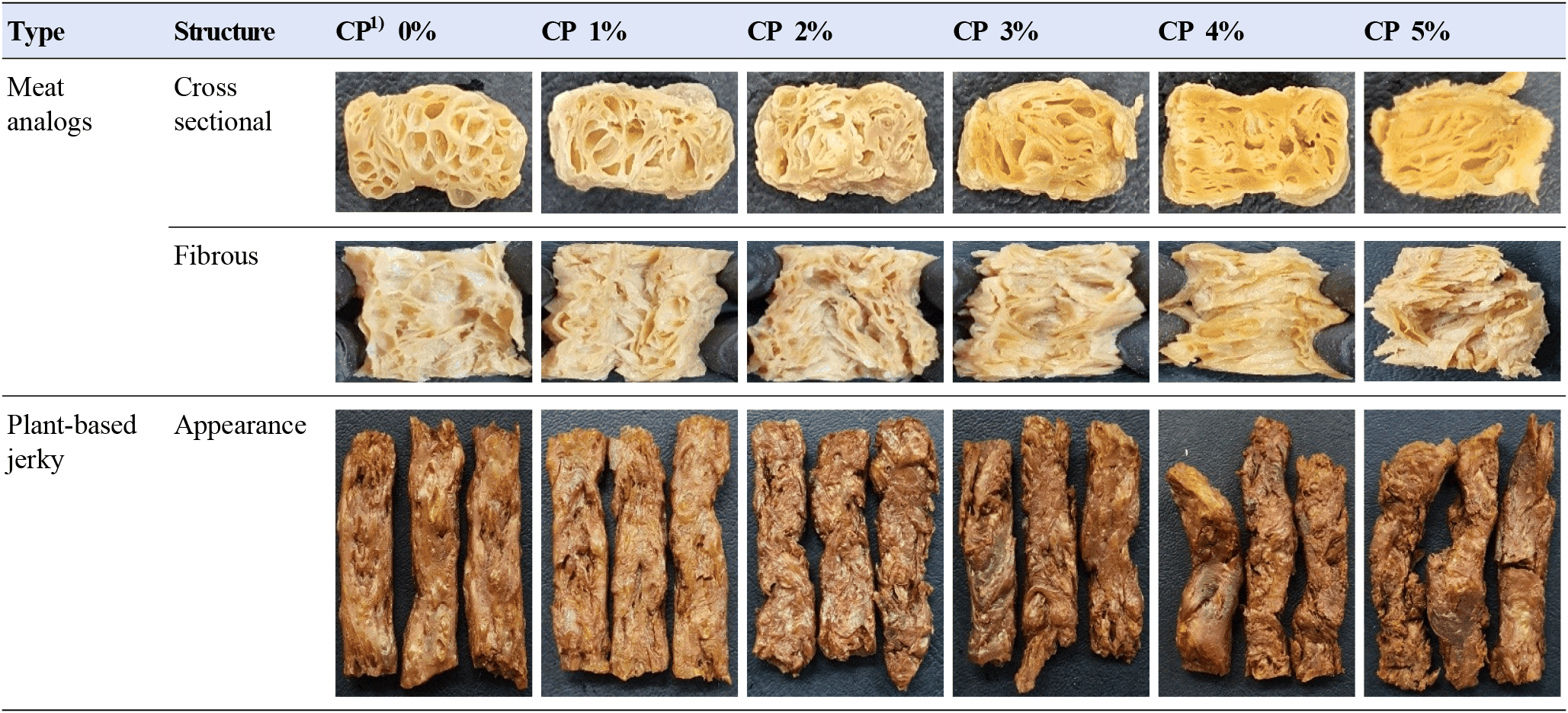
As shown in Fig. 2, the cross-sectional images showed a less porous structure with increasing citrus peel content. The sample containing 0% citrus peel exhibited a highly porous structure, whereas increasing levels of citrus peel gradually reduced pore formation and resulted in a more pronounced fibrous structure. Citrus peel contains a high amount of insoluble dietary fiber (Chau et al., 2004), and it has been reported that increasing the proportion of insoluble dietary fiber leads to its incorporation into the protein gel network, forming a more uniform and compact structure (Theng et al., 2025). This also contributes to an increase in the fibrous content of the final product, thereby enhancing fibrous structure development. Therefore, in the present study, the insoluble dietary fiber present in citrus peel likely contributed to structural densification, reduced pore formation, and improved fibrous structure of the extruded meat analogs.
In addition, citrus peel contains a high level of total dietary fiber, reaching approximately 66.45% on a dry matter basis (Rafiq et al., 2018). The soluble dietary fiber fraction is primarily composed of pectin, a water-soluble polysaccharide known to influence textural properties (Wagner and Ganjyal, 2024). Pectin, mainly consisting of 1,4-linked α-D-galacturonic acid units (Dekkers et al., 2016), can enhance protein-polysaccharide interactions, which in turn promote the formation of a more compact and rigid structure (Ferawati et al., 2021). In the present study, such interactions between pectin and soy protein may have contributed to structural densification of the extruded matrix.
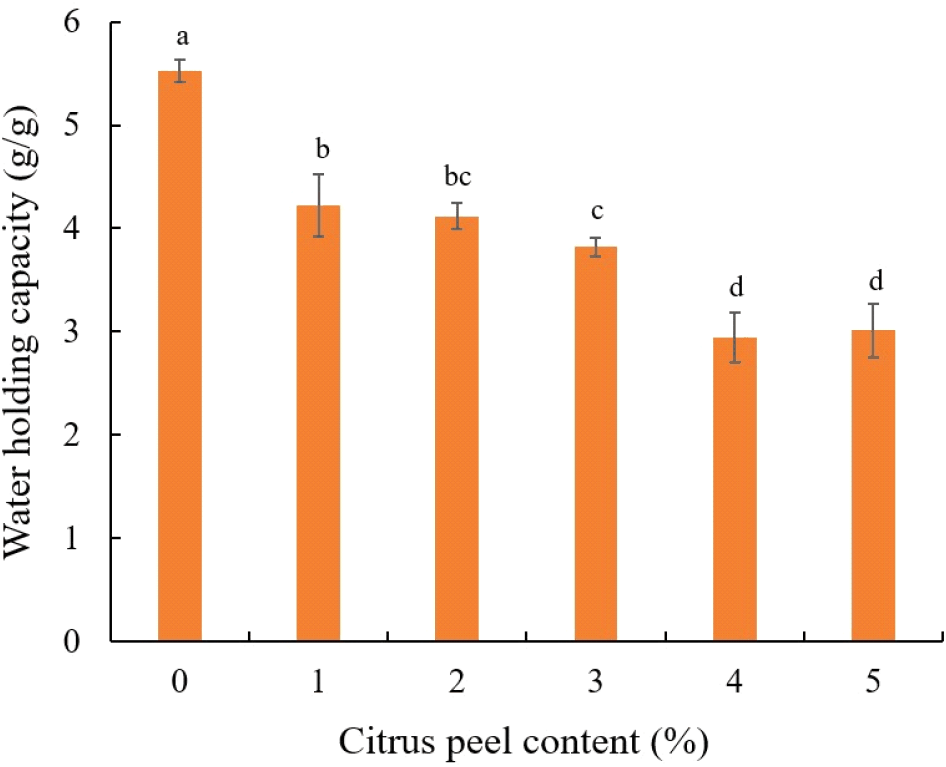
The WHC of extruded meat analogs supplemented with different levels of citrus peel is presented in Fig. 3. The WHC decreased from 5.53 ± 0.12 g/g in the 0% citrus peel treatment to 3.01 ± 0.24 g/g in the 5% treatment, indicating a gradual reduction as the citrus peel content increased. This decrease is likely associated with the reduction in pore size and number observed in the cross-sectional structure (Fig. 2), which may have limited the amount of water that the samples could absorb and retain. Citrus peel contains a higher total dietary fiber content than isolated soy protein (Eun et al., 1996), and dietary fiber has been reported to reduce expansion at the die exit under low-moisture extrusion conditions (Lue et al., 1994). Therefore, the high dietary fiber content of citrus peel may have suppressed expansion during extrusion, leading to reduced pore formation and consequently lower WHC.
In the extrusion process, moisture content is a critical factor influencing the structural characteristics of the final product. Extrusion can generally be classified into high-moisture (40-80%) and low-moisture (10-35%) conditions (Samard et al., 2019). Low-moisture extruded meat analogs typically undergo expansion and moisture loss during extrusion, resulting in a porous structure and firm texture, and thus require rehydration prior to consumption (Lee et al., 2022). Accordingly, pore size, number, and distribution are key factors affecting the water absorption and retention properties of low-moisture extrudates.
In this study, increasing the citrus peel content resulted in a reduction in pore size and number in the cross-section, which is closely related to the decreased water absorption and retention capacity. It has been reported that smaller and fewer pores lead to a lower WHC and alter internal moisture distribution in extruded products (Hu et al., 2025). In addition, water absorption capacity reflects the ability of a sample to absorb and retain water, which is an important parameter for mimicking the juiciness of meat and is influenced by various processing conditions (Webb et al., 2023). Therefore, the observed decrease in WHC in this study is likely due to the combined effects of pore structure changes induced by citrus peel addition and the characteristics of low-moisture extrusion.
The TPA and cutting strength of extruded meat analogs supplemented with citrus peel are presented in Table 1. The springiness decreased significantly from 92.29 ± 1.70% in the 0% treatment to 85.69 ± 5.11% in the 5% treatment as the citrus peel content increased. Similarly, cohesiveness showed a marked decrease from 85.48 ± 2.31% in the 0% treatment to 70.05 ± 3.63% in the 5% treatment. In contrast, chewiness increased from 1,268.49 ± 130.79 g in the 0% treatment to 1,923.16 ± 109.79 g in the 5% treatment. The cutting strength also increased significantly with increasing citrus peel content, from 218.66 ± 36.65 g/cm2 to 451.65 ± 9.56 g/cm2 in the parallel direction and from 366.04 ± 60.79 g/cm2 to 537.78 ± 43.44 g/cm2 in the perpendicular direction. The observed decrease in springiness and cohesiveness with increasing citrus peel content is likely associated with changes in the pore structure of the extrudates. The incorporation of citrus peel may reduce pore size and number in low-moisture extruded meat analogs, leading to decreased WHC and consequently reduced structural recovery. In particular, the high content of insoluble dietary fiber in citrus peel can alter water distribution within the protein-starch matrix and suppress expansion during extrusion, thereby reducing pore formation (Chau et al., 2004; Sin et al., 2024). Springiness reflects the ability of a material to recover its original shape after deformation, and the addition of dietary fiber may disrupt the continuity of the protein-starch matrix, resulting in decreased elastic recovery (Jung et al., 2026). On the other hand, dietary fiber can absorb water and swell, contributing to the formation of a denser structure, which in turn enhances textural strength and is associated with increased chewiness (Feng et al., 2022). These structural changes likely contributed to the observed increases in chewiness and cutting strength. Cutting strength represents the force required to cut a sample per unit area and is closely related to its hardness and structural integrity (Choi et al., 2026). The reduction in pore formation and the resulting densification of the structure due to citrus peel addition likely led to increased resistance to cutting. Moreover, meat analogs with higher hardness tend to exhibit firmer and more compact textures, which are associated with increased chewiness (Muhialdin and Ubbink, 2024).
Among various types of meat, beef exhibits relatively high chewiness, which is an important quality attribute in products such as jerky. Therefore, an increase in chewiness may contribute to imparting a texture similar to that of beef-based meat products (Kim et al., 2025).
In this context, the addition of citrus peel altered the microstructure of extruded meat analogs, resulting in decreased springiness and cohesiveness, while increasing chewiness and cutting strength. These findings suggest that citrus peel can be utilized to modulate the textural properties of plant-based meat analogs and may contribute to the development of products that mimic the texture of specific meat products.
Fig. 4 illustrates the antioxidant activity of extruded meat analogs containing citrus peel. The DPPH radical scavenging activity increased from 8.50 ± 0.91% in the 0% citrus peel treatment to 19.21 ± 1.02% in the 5% citrus peel treatment, showing an increasing trend with increasing citrus peel content. The TPC also increased significantly from 10.23 ± 0.38 mg GAE/g in the 0% citrus peel treatment to 22.56 ± 0.29 mg GAE/g in the 5% citrus peel treatment.
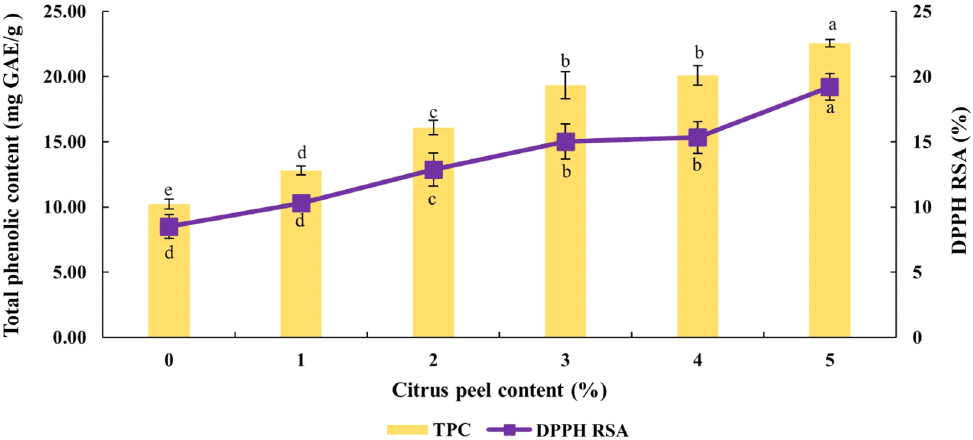
Citrus peel exhibits antioxidant activity because it contains a large amount of various phenolic compounds (Jeong et al., 2004). It has been reported that heat treatment during the extrusion process can release insoluble polymeric molecules into free forms, thereby enhancing antioxidant activity (Turkmen et al., 2005). Therefore, the observed increase in TPC may be explained by the release of polyphenolic compounds during protein hydrolysis and other structural changes induced by high temperature and pressure during extrusion, as well as the naturally high phenolic compound content of citrus peel (An and Ryu, 2015). Phenolic compounds are well known as antioxidant-active compounds (Kim et al., 2008), and thus the increase in DPPH radical scavenging activity may also be attributed to the various phenolic compounds present in citrus peel. These results are consistent with those reported by Choi (2021), who observed that both TPC and DPPH radical scavenging activity showed increasing trends with higher levels of citrus peel supplementation in cookies. Therefore, the use of citrus peel in extruded meat analogs may contribute to the development of meat analog products containing functional antioxidant components.
Table 2 presents the color characteristics of plant-based jerky produced by extrusion with varying levels of citrus peel. As a result of color analysis, the lightness (L*) value decreased from 42.22 ± 0.67 in the 0% citrus peel treatment to 33.00 ± 0.64 in the 5% citrus peel treatment, indicating that lightness decreased as the citrus peel content increased. In contrast, the redness (a*) value increased from 7.79 ± 0.18 in the 0% citrus peel treatment to 8.79 ± 0.74 in the 5% citrus peel treatment. The lowest L* value and the highest a* value were observed in the 3% citrus peel treatment, whereas the lowest yellowness (b*) value was observed in the 4% citrus peel treatment.
The decrease in L* value may be attributed to the inherent color of citrus peel, resulting in reduced lightness with increasing citrus peel addition. In addition, the increase in a* value may be associated with browning caused by the thermal degradation of polyphenols in citrus peel powder during high-temperature processing (Baek et al., 2023). These results were similar to those reported in a previous study on jelly supplemented with citrus peel (Jeong and Kim, 2008).
The product yield of plant-based jerky supplemented with citrus peel produced using the extrusion process is presented in Table 2. The product yield values of the 0, 1, 2, 3, 4, and 5% citrus peel treatments were 42.74 ± 0.75%, 44.63 ± 1.56%, 45.10 ± 1.81%, 45.55 ± 0.56%, 49.97 ± 1.15%, and 53.43 ± 2.10%, respectively, indicating that product yield tended to increase as the citrus peel content increased. Product yield is affected by factors such as processing time and conditions, and raw materials with high dietary fiber content generally show increased product yield because of their greater water absorption properties (Kim and Han, 2024). Citrus peel powder is a by-product with high dietary fiber content and favorable water affinity (Eun et al., 1996; Yoon, 2024). Therefore, the increased product yield of the plant-based jerky may be attributed to the high dietary fiber content and water affinity of citrus peel powder.
4. Conclusions
This study investigated the effects of citrus peel incorporation on the physicochemical, structural, and functional properties of extruded meat analogs. Citrus peel supplementation resulted in structural densification and reduced pore formation, leading to decreased WHC, springiness, and cohesiveness. In contrast, chewiness, cutting strength, antioxidant activity, and product yield increased with increasing citrus peel content. These results indicate that citrus peel significantly influences both the microstructure and functional properties of extruded meat analogs.
From a product perspective, the increase in chewiness may be advantageous for jerky-type products, as it contributes to a firmer and more meat-like texture similar to that of beef-based products. However, the simultaneous decrease in springiness and cohesiveness may negatively affect structural recovery and mouthfeel, potentially reducing consumer acceptability. In addition, although citrus peel contains hydrophilic dietary fiber, the reduction in pore structure during extrusion may limit water retention within the matrix, resulting in decreased WHC, whereas its water-binding ability may contribute to increased product yield during subsequent processing. These findings suggest that the effects of citrus peel depend on the balance between structural modification and water interaction under different processing conditions.
Overall, citrus peel demonstrates potential as a sustainable and functional ingredient for developing plant-based meat analogs with tailored textural and antioxidant properties. However, further studies are required to optimize formulation and processing conditions to achieve a balanced texture profile and improved sensory quality for consumer acceptance.


