

1. Introduction
Meat processing involves a wide range of physical and chemical transformations that strongly impact the sensory quality, safety, and nutritional characteristics of meat products. During processing, such as curing, fermentation, cooking, drying, and storage, meat components, including proteins, lipids, carbohydrates, pigments, and water, undergo complicated chemical reactions that determine flavor, color, texture, nutritional value, and shelf-life (Alam et al., 2024). Chemical reactions such as the Maillard reaction, lipid oxidation, protein denaturation, caramelization, curing chemistry, and enzymatic reactions play an important role in determining the final qualities of processed meats. Understanding these reactions is essential for optimizing processing conditions, enhancing desirable attributes, and reducing undesirable formation.
Among these reactions, non-enzymatic reactions, particularly the Maillard reaction is a key contributors to the generation of desirable aromas, flavors, and surface color in processed meat by engaging reducing sugars and amino groups (Liu et al., 2022). Non-enzymatic browning reactions also include caramelization, which contributes to color and sweet/nutty flavor notes on the meat surface through the thermal degradation of sugars (Shukla et al., 2022). Simultaneously, lipid oxidation generates secondary compounds such as aldehydes and ketones, which can compromise flavor stability, color deterioration, and nutritional quality, or induce rancid off-flavors and shorten shelf life (Shahidi and Hossain, 2022). Protein denaturation and aggregation play an important role in texture development, water-holding capacity, and juiciness. These reactions are mainly induced by heat and can vary with pH and ionic strength.
In addition, curing chemistry, especially the nitrite reaction with myoglobin, can provide color stability, enhance cured flavor, and exert antimicrobial effects, although there are concerns about the formation of nitrosamine under certain conditions (Pegg and Shahidi, 2008). The other chemical reaction is an enzymatic one, particularly important in fermented and dry-cured meats. Enzymatic reactions are driven by endogenous enzymes and microorganisms that generate flavor precursors through proteolysis and lipolysis (Martín-Sánchez et al., 2011). However, these chemical reactions do not occur independently; rather, they form a highly interconnected reaction network in which intermediates and products generated from one pathway frequently influence the progression of other reactions during meat processing.
Therefore, a comprehensive understanding of these chemical reactions and their interconnections is essential to improve product quality, enhance safety, and develop novel, sustainable processing technologies. The purpose of this review is to summarize the major chemical reactions that occur during meat processing, explain the factors that influence these reactions, and highlight the consequences for meat quality and future processing innovations. This study integrates major pathways in meat processing and emphasizes their interactions, processing-dependent behavior, and implications for quality, nutrition, and safety, unlike previous reviews that focused on specific chemical reactions.
2. Major chemical reactions in meat processing
In 1912, Louis-Camille Maillard described the complex set of reactions commonly known as the Maillard reaction (Maillard et al., 1912). The Maillard reaction is one of the most significant chemical processes involved in the development of flavor, aroma, and color in foods during heating.
The Maillard reaction requires reducing sugars and amino compounds as key reactants, while environmental factors such as temperature, pH, and water activity strongly influence its rate and pathway (Fig. 1). To initiate the reaction, the two primary essential reactants are a reducing sugar and an amino group from an amino acid, peptide, or protein. The reducing sugar provides a carbonyl group, which can be an aldehyde or a ketone, allowing it to donate electrons (El Hosry et al., 2025). The free amino group nucleophilically attacks the carbonyl carbon of the reducing sugar, leading to the formation of a Schiff base. The chemical structure of the reducing sugar significantly affects the reaction rate, pathway, and the types of Maillard reaction products formed. For instance, fructose tends to react more readily with amino acids than glucose does, and their combinations lead to distinct Maillard reaction product profiles. Accordingly, the key roles of reducing sugars are to initiate the reaction, control the reaction rate, and contribute to flavor and color development. In meat systems, the most abundant reducing sugars are glucose and ribose, with smaller amounts of fructose and lactose.
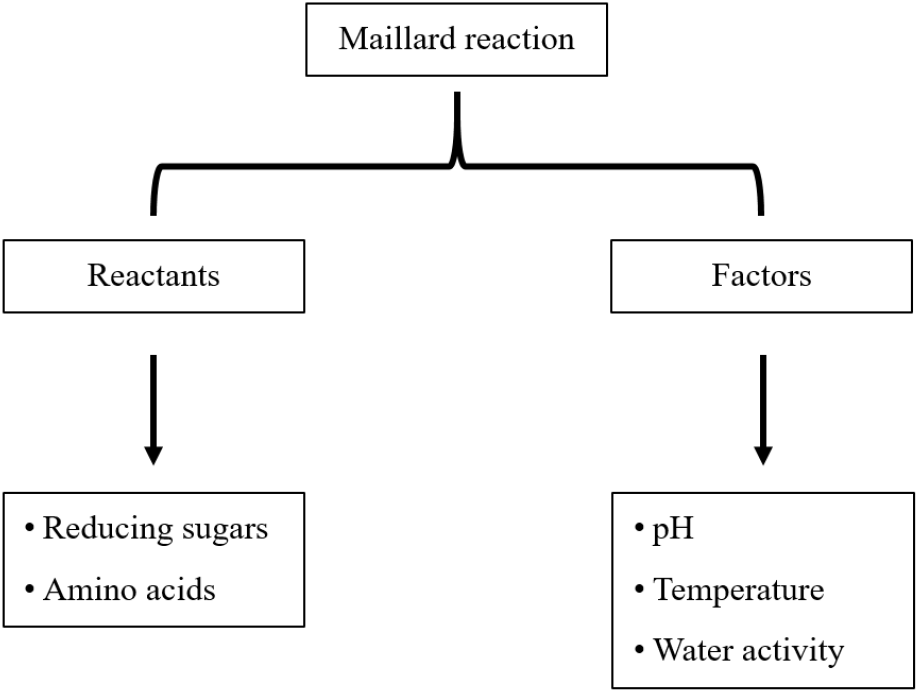
Amino acids contribute the nucleophilic amino groups that react with the reducing sugar and strongly influence the type of flavor compounds produced. The reactivity of amino acids varies depending on their specific chemical structure and the pKa of their amino groups (Wong et al., 2008). Basic amino acids, such as lysine and arginine, are highly reactive due to their amino groups, while sulfur-containing amino acids, such as cysteine, generate characteristic meaty and roasted aromas (Provost, 2019). In meat, amino acids originate not only from free amino acid pools but also from peptides and protein-bound amino termini.
Beyond the presence of these reactants, several environmental and compositional factors, such as temperature, pH, water activity, and the overall composition of the meat, profoundly influence the rate, extent, and specific pathways of the Maillard reaction. These factors modulate how reactants interact and the types of end products formed, thereby shaping the flavor, color, and texture of the processed product.
Temperature is a primary determinant of the Maillard reaction rate; generally, higher temperatures accelerate the reaction due to enhanced molecular mobility and accelerated formation of Schiff bases, Amadori products, and advanced Maillard intermediates (Van Boekel, 2006). While often associated with high temperatures, the Maillard reaction can occur slowly even at lower temperatures, including refrigeration and freezing conditions. High-temperature cooking methods such as grilling, roasting, and frying maximize Maillard-derived browning and the formation of characteristic roasted-meat aroma (Mottram, 2007). In contrast, low or moderate heat results in slower reaction kinetics and limited flavor development. For instance, when asparagine and glucose react at lower temperatures, they contribute low-volatility flavor compounds. But when the temperature rises above 140°C, they form many pyrazine and thiazole compounds, which give the food a nutty, popcorn-like taste (El Hosry et al., 2025). In addition, the reaction rate increases exponentially with rising temperature up to an optimal point, beyond which excessive heat can lead to thermal degradation of reactants and intermediates, ultimately slowing or altering the progression of the Maillard reaction. The prolonged heating can intensify flavor but also lead to undesirable bitterness and the formation of potentially harmful compounds. Therefore, optimizing temperature conditions is essential to maximize desirable attributes while minimizing potential risks. Quantitatively, the Maillard reaction is significantly accelerated at temperatures above 120°C (Qi et al., 2025). At temperatures below 100°C, the reaction proceeds slowly and contributes mainly to early-stage intermediates rather than intense browning.
The pH of the reaction medium significantly impacts the reaction rate, product formation, product safety, and stability during the Maillard reaction (Kchaou et al., 2019). Generally, the reaction proceeds faster under alkaline conditions because amino groups become deprotonated and therefore more nucleophilic (Lertittikul et al., 2007), allowing them to react more readily with the carbonyl groups of reducing sugars. In contrast, under acidic conditions, amino groups are protonated, reducing their nucleophilicity and slowing the reaction. Lower pH values typically suppress melanoidin formation and overall browning (Kutzli et al., 2021), but can still enhance the generation of specific volatile compounds, such as furans and pyrazines, which can improve sensory attributes (Yu et al., 2012). In contrast, higher pH values favor more intense browning due to increased melanoidin production (Ajandouz et al., 2001). In some cases, the formation of pyrazine compounds increased steadily with rising pH and reached its maximum at pH 8.0-9.0. In contrast, at pH 5.0-6.0, the pyrazines production was minimal or absent (Liu et al., 2022). In addition, pH also affects the formation of potentially harmful compounds. Under alkaline conditions, amino groups become deprotonated and more nucleophilic, increasing their reactivity toward carbonyl compounds and thereby promoting the formation of Advanced glycation end-products (AGEs) (Ott et al., 2014). In contrast, acidic conditions keep amino groups protonated, reducing their participation in glycation reactions and lowering AGE production. Therefore, controlling pH is critical for improving the Maillard reaction and achieving desired sensory and quality characteristics in food products.
Water activity also plays a crucial role in controlling the rate and extent of the Maillard reaction. High-water activity can dilute reactants, reducing their effective concentration and slowing the overall reaction rate (Madhumathy, 2021), thereby shifting the focus to other reactions, such as caramelization. Conversely, at very low water activity, there is not enough water for reactants to move and interact with amino groups, thereby slowing the reaction (Hedegaard and Skibsted, 2024), which can lead to the formation of undesirable flavors and textures, such as a burnt or bitter taste. In meat systems, processing methods such as drying, roasting, smoking, and curing strongly affect water activity, altering surface moisture and creating favorable conditions for the Maillard reaction. These conditions promote the formation of desirable brown pigments (melanoidins) and flavor-active volatile compounds. Therefore, controlling water activity is essential for balancing flavor development, color formation, and product quality in thermally processed foods. The reaction rate is also strongly dependent on water activity (aw), with maximum Maillard reaction rates generally observed at intermediate aw levels of approximately 0.6-0.7, while both very low (< 0.3) and high (> 0.9) aw conditions significantly reduce reaction kinetics due to limited molecular mobility or dilution effects, respectively (Kchaou et al., 2019).
In a meat processing system, the intrinsic composition of the meat matrix is one of the most significant factors in advancing the Maillard reaction and generating the types of taste compounds. Free amino acids, reducing sugars, lipids, and other minor components are important compositional elements.
Fig. 2 demonstrates the role of meat matrix composition in regulating Maillard reaction pathways. The profile of free amino acids strongly influences the types of aroma compounds generated during the Maillard reaction (Liu et al., 2022). Sulfur-containing amino acids, such as cysteine, are particularly important for producing intense meaty and roasted notes, whereas lysine increases the overall reactivity of the system due to its highly reactive ∊-amino group (Van Boekel, 2006). Among reducing sugars, ribose reacts more rapidly than glucose or fructose, leading to stronger roasted and savory flavor development (Dills, 1993). In addition, lipid oxidation products can interact with Maillard reaction intermediates to form a broader range of heterocyclic aroma compounds, characteristic of cooked meat (Park and Choi, 2025). Moreover, minerals present in meat, such as iron and copper, can catalyze oxidation-reduction reactions and indirectly modulate Maillard reaction pathways, thereby influencing the aroma complexity and sensory quality of cooked meat (Kwak and Lim, 2004).
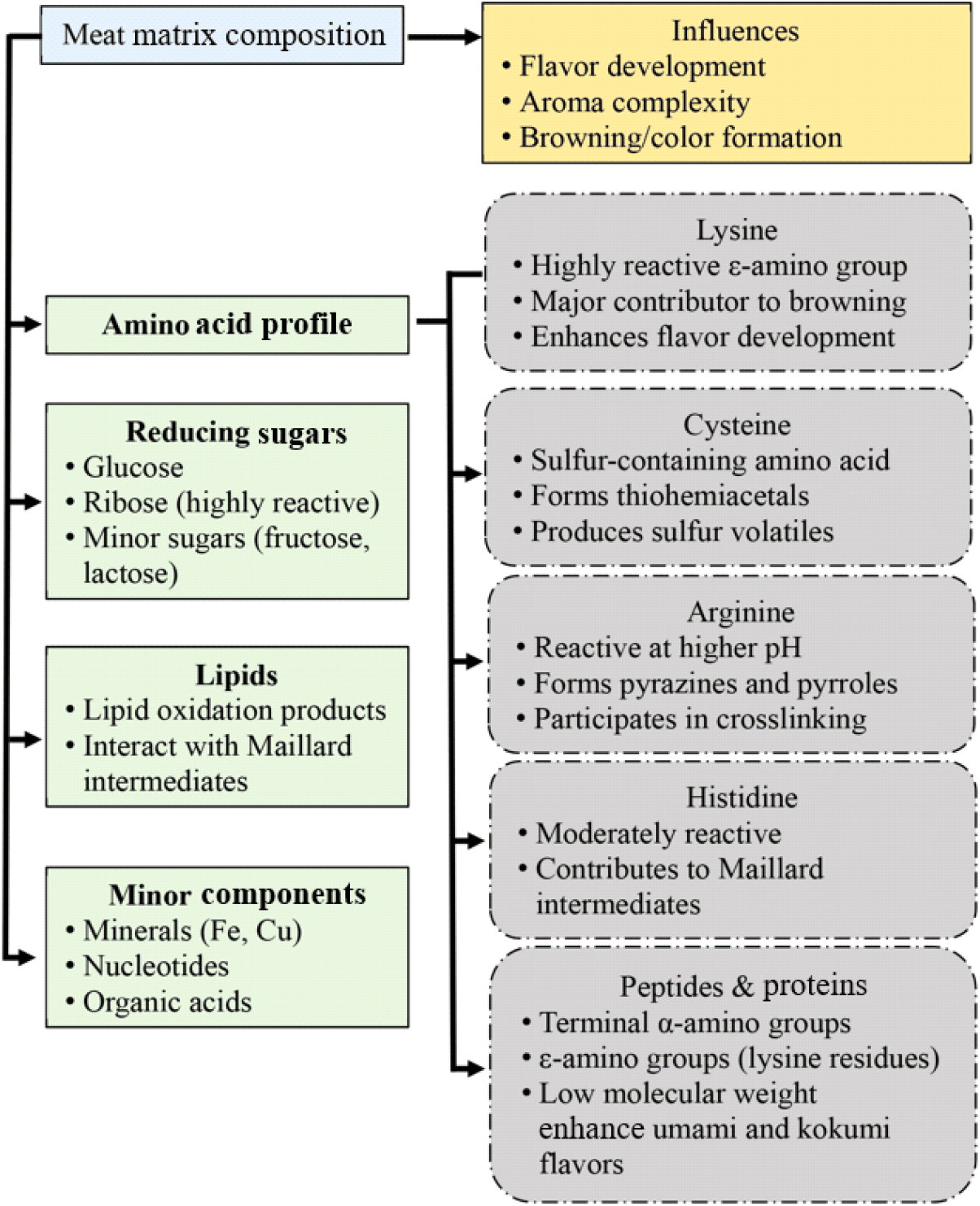
Overall, temperature, pH, water activity, and meat composition interact synergistically to regulate the formation of Maillard reaction products. Understanding the importance of these aspects is critical for improving flavor, color, and quality throughout meat processing and product development.
The Maillard reaction forms a complex mixture of compounds through a series of stages (Fig. 3): the early, intermediate, and final stages (Sun et al., 2022). The early stage of the Maillard reaction consists of the initial condensation between a reducing sugar (e.g., glucose, ribose, or fructose) and the nucleophilic amino group of an amino acid, peptide, or protein, followed by the formation of Schiff base (N-substituted glycosylamine) and rearrangement into Amadori or Heyns products (Odjakova et al., 2012). The resulting Amadori or Heyns products are more stable intermediates and serve as branch points for multiple downstream pathways. These early intermediates set the foundation for the development of flavor, aroma, and color through later reactions.
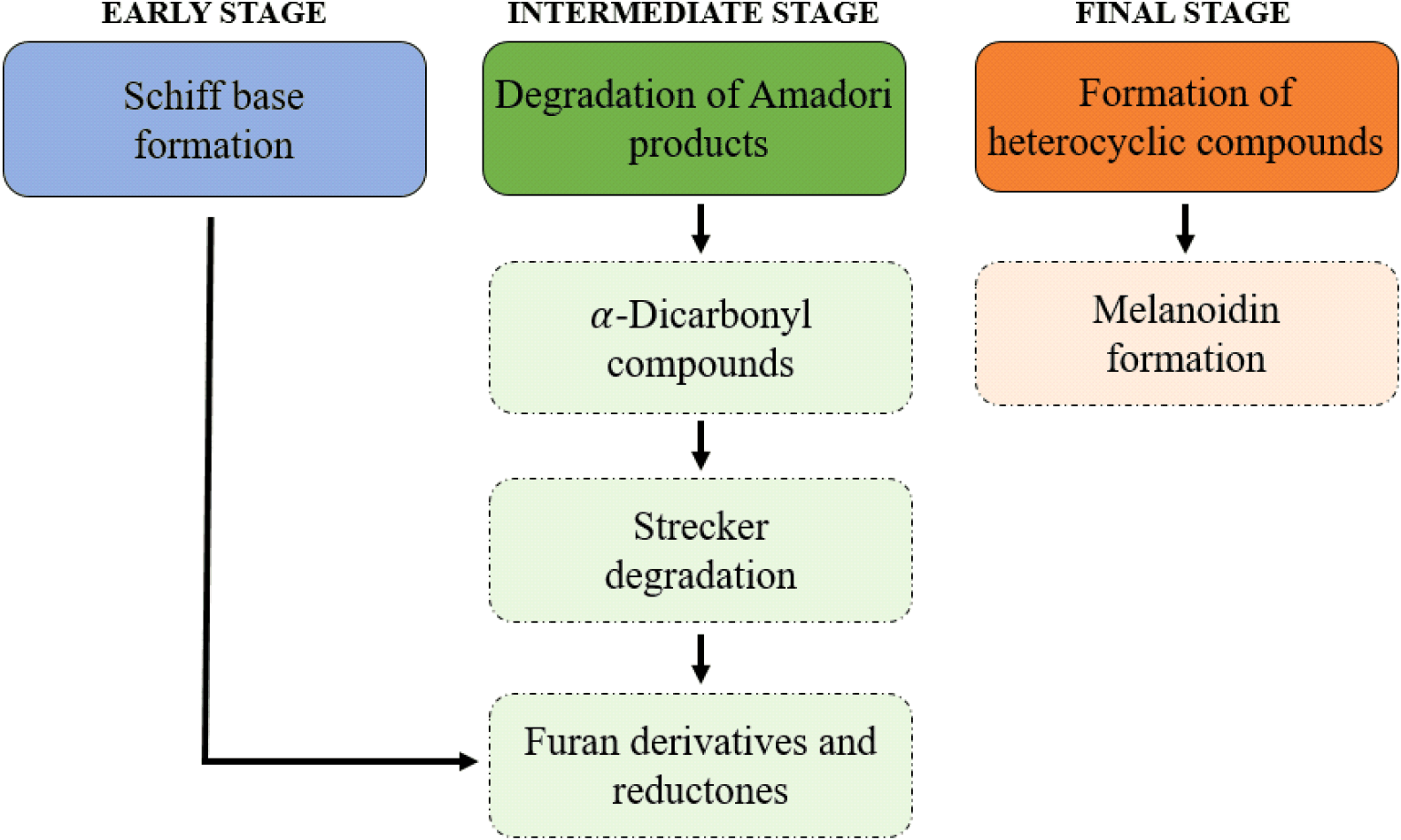
The intermediate stage is characterized by the degradation of Amadori products and the creation of many reactive carbonyl compounds, which are essential for the synthesis of distinct flavors and aromas. The α-dicarbonyl compounds are formed through dehydration and retro-Aldol reactions, such as 3-deoxyglucosone and 1-deoxyglucosone, which are highly reactive and participate in further reactions (Cincotta et al., 2021). During this stage, Amadori and Heyns products undergo fragmentation reactions in which their carbon chains are cleaved. This fission process generates highly reactive dicarbonyl compounds, including glyoxal, methylglyoxal, and diacetyl (Thornalley, 2005). These dicarbonyl compounds are highly reactive and play a critical role in subsequent browning and flavor development pathways (Cha et al., 2019). In addition, dehydration leads to the formation of furan derivatives (e.g., hydroxymethylfurfural (HMF) and furfural), which contribute caramel-like and roasted notes (Brands and van Boekel, 2001). Reductones are also powerful reducing agents formed during the degradation of Amadori products. The reactive dicarbonyl compounds can then participate in Strecker degradation, reacting with amino acids to form Strecker aldehydes and amines, key contributors to cooked meat flavor and aroma (Peng et al., 2024). This stage is highly sensitive to environmental factors, including pH, temperature, and water activity. The enolization pathway is pH-dependent, controlling the formation of furans, reductones, and pyrazines (Meynier and Mottram, 1995). In addition, temperature accelerates breakdown reactions, increasing the production of reactive carbonyls and aroma compounds. Water activity affects molecular mobility, with intermediate levels promoting fragmentation, Strecker degradation, and browning.
In the final stage, the reactive intermediate, particularly α-dicarbonyls and Strecker aldehydes, undergoes further condensation and cyclization reactions to form melanoidins. Melanoidins are high-molecular-weight, nitrogen-containing polymers that are brown in color and responsible for the characteristic appearance of cooked and roasted foods. In addition, melanoidins have positive effects on health because of their antibacterial and antioxidant properties (Wang et al., 2023). In this stage, in addition to melanoidin formation, a wide range of heterocyclic compounds is also produced, including pyrazines, pyrroles, thiophenes, and oxazoles, which contribute significantly to the characteristic roasted and savory aromas of processed meat. There are three key stages: early condensation products, advanced reactive intermediates, and late-stage brown polymers. These stages define the flavor, aroma, and color characteristics of cooked meat.
Although the fundamental stages of the Maillard reaction are well established, it is still not fully understood which reaction steps create desirable flavors and which create harmful compounds.
Lipid oxidation is one of the most important chemical reactions influencing the quality, safety, and stability of processed meat products. Unsaturated fatty acids and triglycerides are degraded via free radical and nonradical pathways, producing volatile compounds and secondary products that negatively affect sensory characteristics and shelf life. In addition, lipid oxidation produces harmful compounds that have negative effects on human health, such as atherosclerosis, cancer, inflammation, and aging (Pereira and Abreu, 2018). There are three primary pathways of lipid oxidation during processing: autoxidation, photooxidation, and enzymatic oxidation, each contributing to lipid deterioration and quality changes in processed meat products.
Autoxidation is the predominant pathway of lipid oxidation in meat under typical storage and processing conditions (Cheng, 2016). Autoxidation proceeds through three basic phases: initiation, during which free radicals are formed; propagation, during which the concentration of reactive radical species rapidly increases through chain reactions; and termination, in which reactive compounds combine or decompose to form stable, non-reactive products (Cheng, 2016).
In the initiation step, a hydrogen atom is abstracted from an unsaturated fatty acid (RH), typically at the allylic position adjacent to a double bond, resulting in the formation of a carbon-centered lipid radical (R•) [equation (1)]. This abstraction is promoted by heat, light, reactive oxygen species, metal ions (Fe2+, Cu2+), and heme pigments such as myoglobin in meat systems (Korycka-Dahl and Richardson, 1980). In the case of a direct oxygen reaction, ground-state molecular oxygen and unsaturated fatty acids do not readily react because oxygen exists in a triplet electronic state (Domínguez et al., 2019). Therefore, molecular oxygen must first be activated into more reactive forms, including singlet oxygen (1O2) and reactive oxygen species (ROS) such as hydrogen peroxide (H2O2), the superoxide anion (O2•-, and hydroxyl radicals (OH•). These activated oxygen species can abstract hydrogen atoms from lipids or directly oxidize RH, thereby initiating the lipid oxidation chain reaction [equation (2)]. During the initiation stage of lipid oxidation, alkyl radicals (R•) are the first free radicals formed, which are resonance-stabilized and highly reactive toward oxygen.
These alkyl radicals are highly unstable and rapidly react with molecular oxygen to form lipid peroxyl radicals (ROO•), thereby triggering the propagation phase of lipid oxidation (Moore and Roberts, 1998). The propagation process of lipid oxidation is illustrated in Fig. 4. The peroxyl radical abstracts a hydrogen atom from another unsaturated fatty acid, forming a lipid hydroperoxide (ROOH) and generating a new lipid radical, thereby continuing the chain reaction. Hydroperoxides (ROOH) are primary oxidation products that are odorless but chemically unstable.
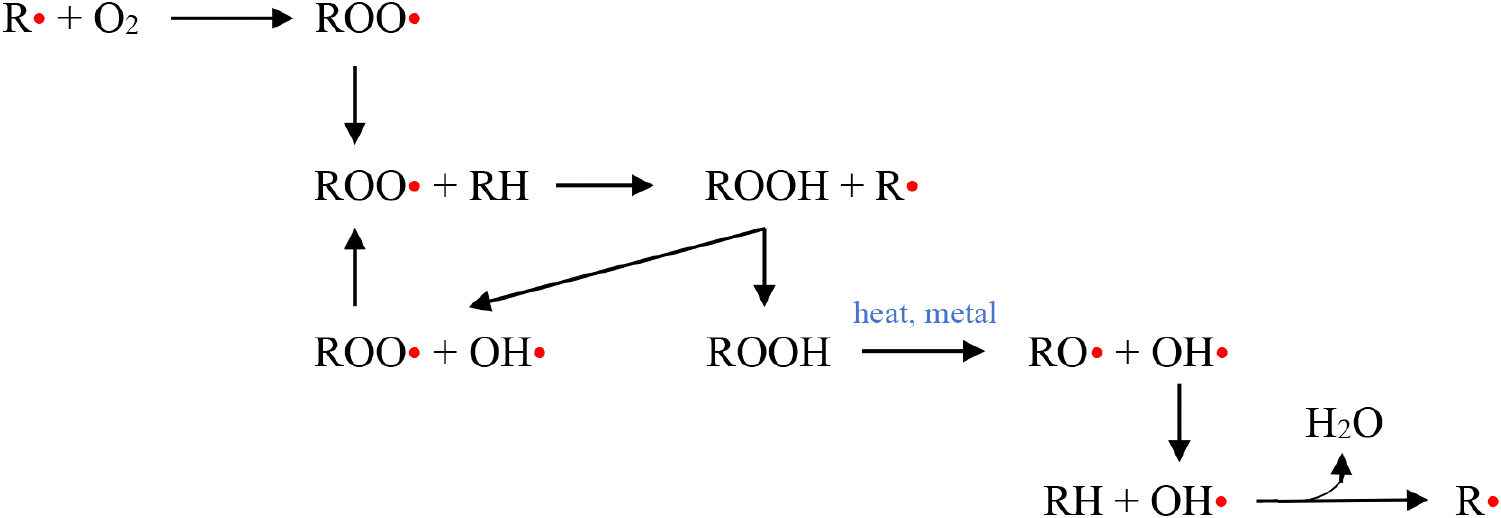
Hydroperoxides decompose in the presence of heat or metal ions to form alkoxyl (RO•) and peroxyl radicals, which produce secondary oxidation products. These radicals further break down fatty acids into aldehydes (hexanal, malondialdehyde), ketones, alcohols, and short-chain fatty acids, which are responsible for rancid and off-flavors (Yaman and Ayhanci, 2021).
The termination stage of the lipid oxidation is end of the free-radical chain reaction (Schaich, 2005). When the concentration of free radicals reaches a certain level, radicals collide and generate stable, non-radical products, thereby slowing or halting the overall oxidation process. Termination, unlike initiation and propagation, does not generate additional radicals, bringing the oxidative chain reaction to an end. This reaction includes the interaction of peroxy, alkoxy, and alkyl radicals, as shown below (Chaijan, 2008).
Two lipid alkyl radicals (R•) can combine to form a stable hydrocarbon dimer, resulting in non-volatile and chemically stable compounds [equation (3)]. A lipid radical (R•) may also react with a lipid peroxyl radical (ROO•) to form peroxide-linked dimers (ROOR) [equation (4)]. In addition, the combination of two peroxyl radicals (ROO•) yields stable oxidation products accompanied by the release of molecular oxygen [equation (5)], thereby terminating the free-radical chain reaction (Rubbo et al., 1995). Antioxidants can also accelerate termination by donating hydrogen atoms to radicals, converting them into stable molecules [equation (6)] (Jamilah et al., 2009). Termination primarily limits subsequent oxidation rather than restoring quality.
Photo-oxidative and enzymatic processes may contribute minimally to oxidation in heat-processed meat products. However, photo-oxidation can occur even in raw meat during cutting, slicing, and packaging under light. Photo-oxidation occurs through interactions between light and photosensitizers such as myoglobin, hemoglobin, riboflavin, and porphyrin compounds in the meat matrix [equation (7)] (Whang and Peng, 1988). This interaction generates the excited photosensitizers that transfer energy to triplet oxygen to generate singlet oxygen, a highly reactive species [equation (8)], which is then used in photodynamic therapy. Singlet oxygen reacts directly with unsaturated fatty acids to form hydroperoxides without the need for free radical initiation [equation (9)]. Therefore, photo-oxidation advances much faster than autoxidation and does not require the generation of free radicals (Banerjee et al., 2017). In addition, photo-oxidation can produce the superoxide anion, which can react with hydrogen peroxide to generate the hydroxyl radical and singlet oxygen (Choe and Min, 2006). These consequences will lead to the initiation stage. Photo-oxidation in meat processing can cause rapid development of off-flavor and accelerated color fading (myoglobin oxidation), especially in light retail displays and during storage of cured and cooked meat exposed to light.
In addition to non-enzymatic oxidation, enzymatic oxidation can occur when certain enzymes, such as lipoxygenase, cyclooxygenase, and peroxidase, catalyze lipid oxidation. These enzymes incorporate oxygen into polyunsaturated fatty acids, forming lipid hydroperoxides (Min et al., 2008).
Hydroperoxides are unstable during lipid oxidation and disintegrate into secondary oxidation products such as aldehydes, ketones, hydrocarbons, alcohols, esters, and acids, all of which contribute to rancid aromas and flavors. Aldehydes are the most significant contributors to volatile flavors. Highly unsaturated fatty acids [e.g., polyunsaturated fatty acid (PUFA)-rich meat] are more susceptible to oxidation, accelerating sensory deterioration. Therefore, understanding its mechanisms and controlling reactive species are critical to improving meat and meat product quality and extending shelf life during processing and storage.
Meat proteins (about 20% of the muscle) can significantly influence meat quality during cooking. Structural and chemical changes in protein, such as denaturation and aggregation, occur during processing, particularly during thermal treatment (Mitra et al., 2017). These structural and chemical changes affect meat structure, water-holding capacity, and texture, which are controlled by heating temperature and time. Both sarcoplasmic proteins (enzymes, pigments) and myofibrillar proteins (myosin, actin) are affected in meat systems. Sarcoplasmic proteins begin to denature at approximately 40-60°C (Hamm, 1977), which influences color and enzyme activity. Myosin denatures at temperatures below approximately 50°C (Xia et al., 2008), resulting in protein unfolding and exposure of reactive groups, whereas actin denatures at temperatures above approximately 65°C, contributing to further conformational changes.
Denaturation disrupts the stability of the protein structure by breaking non-covalent bonds such as hydrogen bonds, hydrophobic interactions, and electrostatic forces (Dias et al., 2010). The consequence of these disruptions leads to the release of sulfhydryl (-SH) and hydrophobic groups that were previously buried inside the protein’s native structure (Ballauff, 2022). The exposure of these reactive groups promotes protein-protein interactions, leading to aggregation and the formation of gel-like or fibrous networks. These formations are responsible for retaining fat and water, which are essential to the product’s texture, juiciness, and overall quality. However, excessive denaturation of myofibrillar and sarcoplasmic proteins has been linked to tougher meat due to fiber shrinkage and water loss, while collagen denaturation can decrease firmness by enhancing connective tissue solubilization during prolonged, moist heating (Martens et al., 1982).
In addition, protein denaturation interacts with other chemical reactions, such as the Maillard reaction and lipid oxidation, influencing meat quality (Soladoye et al., 2015). When proteins denature, their native protein structure unfolds, exposing the amino groups. These amino groups react with reducing sugars, thereby enhancing and accelerating the Maillard reaction. The Maillard reaction produces melanoidins and flavor compounds that can enhance flavor and aroma, but excessive Maillard reactions can lead to the loss of nutritional value. In addition, interactions between denatured proteins and lipid oxidation can promote texture hardening and quality deterioration. Protein denaturation releases pro-oxidants such as iron and copper ions, which can promote lipid oxidation (Schaich, 1992). Conversely, the secondary products of lipid oxidation react with the side chains of amino acids in proteins, leading to cross-linking and further aggregation, which adversely affect texture and nutritional quality (Zhang et al., 2013a).
Overall, protein denaturation and aggregation are essential factors that alter meat structure, enabling it to bind water, form gels, and create desirable texture during processing. However, excessive denaturation can lead to moisture loss, increased toughness, and reduced protein solubility and functionality.
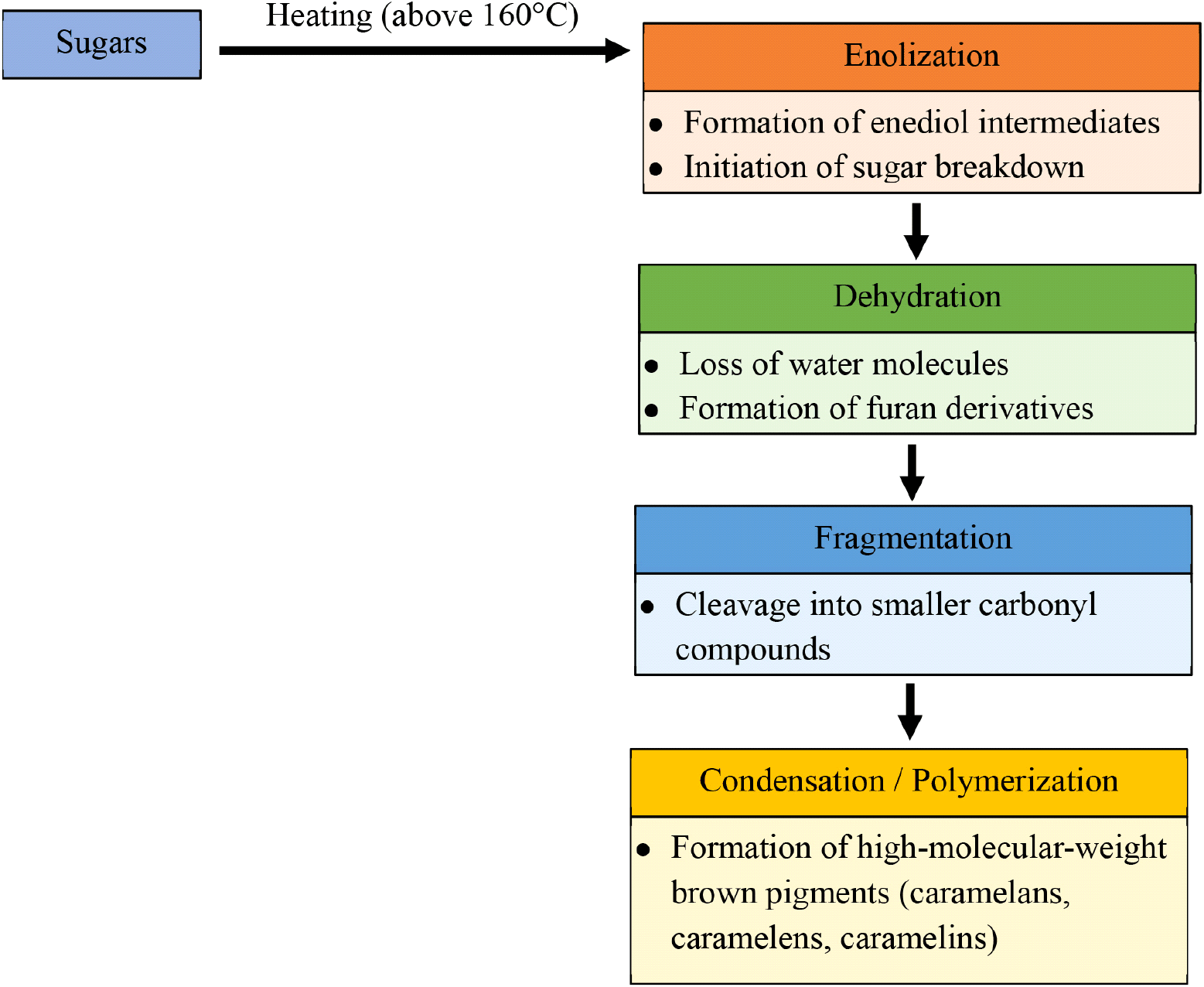
Caramelization also produces brown pigments by heating sugars to high temperatures. This process involves enolization, dehydration, fragmentation, and subsequent polymerization, which can lead to a brown color and caramel-like aroma compounds (Kroh, 1994). The main stages of the caramelization process are illustrated in Fig. 5. There are two chemical processes to generate the brown pigments: the Maillard reaction and caramelization. The Maillard reaction occurs when reducing sugars combine with the free amino groups of amino acids and proteins, and is strongly influenced by pH, temperature, and water activity. However, caramelization occurs independently of amino groups and is preferred under high temperature and extreme pH conditions, particularly in sugar-rich environments (Kocadağlı and Gökmen, 2019).
Pearson et al. (1966) observed that the brown color is strongly related to the reducing sugars and amino groups when heating fresh pork meat. In the fermentation of yeast, the removal of sugar resulted in a significant reduction in the brown color. In contrast, the re-addition of glucose markedly increased the brown color, confirming the crucial role of reducing sugars in the formation of brown pigments. In addition, the author reported that the effects of inhibiting reducing sugar and amino groups. A small amount of brown pigments was observed when amino groups were blocked, whereas acylation significantly reduced browning. These results indicated that caramelization of sugars results in less browning than when both sugars and amino groups are present.
Although caramelization contributes to color and flavor development, its role in meat systems is generally secondary to that of the Maillard reaction due to the limited availability of free sugars. However, under high-temperature conditions or in sugar-added meat products, caramelization can interact with Maillard-derived intermediates, contributing to complex flavor profiles. Therefore, its contribution should be considered alongside other thermal reactions rather than as an independent pathway.
Curing and nitrite chemistry play an important role in meat processing. Curing is a traditional, widely used technique that improves and retains the desired color of meat products. Nitrite is the true active curing agent, whereas nitrate only works after being reduced to nitrite by microorganisms. Aung et al. (2024a) converted the natural nitrate ions in Swiss chard powder to nitrite by using a denitrifying culture during jerky processing. The main chemical basis of curing is nitrite-derived nitric oxide (NO), which interacts with lipids, microorganisms, and muscle pigments (Pegg and Shahidi, 2008).
Nitric oxide is the primary reactive species responsible for the distinct color and flavor of cured meats (Pedersen, 2018). Nitric oxide is the species resulting from the reduction of nitrite in a series of reactions. Several factors influence the reduction of nitrite and the subsequent formation of nitric oxide in meat products, including pH, temperature, reducing agents, and endogenous muscle components. The conversion of nitrite to nitric oxide in meat products is primarily driven by the acidic environment of the meat batter (Ling and Zude, 2012) and is accelerated by the presence of reducing agents such as ascorbic acid (vitamin C).
Nitrite has four major technological functions. The first is an antimicrobial effect that strongly inhibits Clostridium botulinum, the most hazardous meat-borne pathogen (Robinson et al., 1982). It reduces toxin production and acts synergistically with salt, low pH, and ascorbate. That function is essential to the safety of cured meats. The second is the color formation that is essential for consumer acceptance. Nitric oxide binds to the ferrous (Fe2+) form of myoglobin to create nitrosomyoglobin [equation (10)], a persistent pigment responsible for the color of cured meats (Honikel, 2008). In addition, nitrite has antioxidant activity that protects sensory quality during storage. It removes oxygen and slows lipid oxidation, preventing rancidity and “warmed-over flavor” (Govari and Pexara, 2015). Moreover, nitrite produces the characteristic cured meat flavor by interaction with lipid and protein degradation products, and it suppresses off-flavors.
Beyond the benefits of nitrite, there are health concerns associated with nitrite and nitrate. Excessive exposure to nitrites can cause methemoglobinemia, which manifests as cyanosis (WHO, 2004). This is the most common adverse outcome of acute poisoning. Nitrites block the delivery of oxygen to hemoglobin, making infants under 3 months more sensitive than older children and adults. Meat products account for only a minor portion of total exposure. Furthermore, nitrite can react with amines to form N-nitrosamines, which are potentially carcinogenic (Honikel, 2008). This formation requires particular conditions such as the presence of secondary amines, low pH or high temperature, and a sufficient supply of nitrite-derived reactive nitrogen species (Andrée et al., 2010). However, fresh meat has extremely few amines, and most cured meats also have very low nitrite residues. As a result, numerous surveys detect extremely low amounts in most meat products. Therefore, the proper cooking techniques and use of ascorbate can greatly reduce this risk. Although nitrite and nitrate are commonly associated with potential health risks, recent studies have shown that low dietary intake can have beneficial physiological effects, particularly on cardiovascular health (Lundberg and Weitzberg, 2009). Therefore, nitrites and nitrates are strictly regulated globally due to the possible hazards. Both the ingoing and residual amounts are regulated, nitrite and nitrate are often permitted only in curing salt mixtures. According to the European Commission Regulation No. 1129/2011, the typical maximum ingoing amount of nitrite allowed in meat products is 150 mg/kg (Szymański et al., 2020). Denmark allows up to 150 mg/kg for certain items, whereas most products are restricted to 60 mg/kg (Leth et al., 2008).
Nitrite is the key curing agent in meat products, providing microbial safety, stable color, antioxidant protection, and flavor, while strict regulation and technological controls minimize health risks such as nitrosamine formation. Although complete elimination of nitrite is not currently feasible, future meat processing should focus on partial substitution using natural curing agents, such as vegetable extracts.
Enzymes are biological catalysts that accelerate chemical reactions without being permanently changed. In meat systems, enzymes primarily affect proteins, lipids, carbohydrates, and nucleotides. These reactions are primarily driven by endogenous enzymes, leading to proteolysis and lipolysis, which occur in aging, curing, fermentation, drying, and cooking conditions (Abril et al., 2023).
The most important enzymatic reaction is proteolysis, which is catalyzed by endogenous proteases such as calpains, cathepsins, and calpastatin (Bhat et al., 2018). These endogenous enzymes degrade the structural proteins (desmin, titin, and nebulin) and weaken the myofibrillar structure that becomes muscle fibers, making them easier to chew (Lian et al., 2013). Therefore, proteolysis activity increases tenderness, improves water-holding capacity, and enhances juiciness in meat products. In addition, muscle proteins degrade into smaller peptides and free amino acids, which also serve as important flavor precursors and participate in subsequent reactions, such as the Maillard reaction and Strecker degradation (Spanier et al., 2004). Lipolysis includes lipases and phospholipases, which are responsible for the formation of flavor precursors. Triglycerides and phospholipids are hydrolyzed by lipolysis, which releases free fatty acids (FFAs). FFAs, particularly unsaturated fatty acids, act as precursors for aroma compounds and substrates for oxidation reactions to form volatile compounds such as aldehydes, ketones, alcohols, and esters (Wei et al., 2023). Lipolysis does not directly produce flavor; rather, it produces precursors that undergo subsequent chemical reactions to yield distinct aromas and tastes.
During meat processing, microbial metabolism plays an important role in producing delicious flavor profiles. For instance, lactic acid bacteria lower pH through carbohydrate fermentation, creating favorable conditions for proteolysis and lipolysis (Wang et al., 2021). At the same time, microbes transform amino acids and fatty acids into various flavor compounds through deamination, decarboxylation, and reduction reactions (Zhang et al., 2023). Therefore, this synergistic interaction with microbial metabolism is one of the most important mechanisms in producing complex flavor profiles, desirable texture, and product stability during meat processing.
Overall, enzymatic reactions are critical biochemical processes in meat processing that interact with microbial metabolism, producing desirable texture, flavor precursors, and characteristic aromas, ultimately determining the sensory quality of processed meat products. The major chemical reactions involved in meat processing differ in their reactants, products, processing conditions, and impacts on meat quality and safety. An integrated overview of these reactions is summarized in Table 1.
| Reaction | Key reactants | Main products | Favorable conditions | Quality impact | Potential risks | References |
|---|---|---|---|---|---|---|
| Maillard reaction | Reducing sugars (glucose, ribose) + amino acids (lysine, cysteine) | Melanoidins, pyrazines, furans, Strecker aldehydes | Elevated temperature, alkaline pH (7–9), intermediate water activity (0.6–0.7) | Browning, roasted flavor, and aroma development | HCAs, AGEs, nutrient loss (lysine) | Yin et al. (2013), Zhang et al. (2025) |
| Lipid oxidation | Unsaturated fatty acids, oxygen, metal ions (Fe2+, Cu2+) | Hydroperoxides, aldehydes (hexanal), ketones, alcohols | Presence of oxygen, light, heat, metals | Flavor development (early), color deterioration, shelf-life reduction | Rancidity, potentially harmful oxidation products | Grebenteuch et al. (2021), Jeong et al. (2012), Ömür-Özbek et al. (2012) |
| Protein denaturation & aggregation | Myofibrillar and sarcoplasmic proteins | Denatured proteins, aggregates, gel networks | Heat (40–70°C), pH near isoelectric point | Texture formation, water-holding capacity, juiciness | Excessive toughness and moisture loss | Bowker and Zhuang (2015), Kovaleva et al. (2021) |
| Curing (nitrite chemistry) | Nitrite (NO2−), myoglobin, reducing agents (ascorbate) | Nitrosomyoglobin, nitric oxide derivatives | Low pH, presence of reductants, controlled temperature | Color stability, flavor development, antimicrobial effect | Nitrosamine formation, and health concerns | Aung et al. (2024a), Sullivan and Sebranek (2012), Villaverde et al. (2014) |
| Enzymatic reactions | Proteins, lipids (via proteases, lipases) | Peptides, free amino acids, free fatty acids | Moderate temperature, optimal pH, microbial activity | Flavor precursors, tenderness, texture improvement | Over-softening, biogenic amines | Angulo and Márquez (2023), Aung et al. (2025), Istrati et al. (2012), Koohmaraie (1992) |
| Caramelization | Sugars (glucose, fructose) | Caramel pigments, furan compounds | High temperature (> 160°C), low moisture | Color and sweet/caramel flavor | Burnt flavor, limited contribution to meat processing | Brands and van Boekel (2001), Goswami et al. (2025), Zhang et al. (2013b) |
Both intrinsic meat composition and extrinsic processing conditions strongly influence the chemical reactions during meat processing. These factors influence the Maillard reaction, lipid oxidation, protein denaturation, caramelization, and curing-related chemistry. One of the most important extrinsic factors is temperature, which can critically control chemical reactions in meat (Nychas et al., 2008). Elevated temperatures accelerate reaction kinetics, promoting caramelization, protein denaturation, lipid oxidation, and the Maillard reaction. El Hosry et al. (2025) stated that the Maillard reaction accelerates substantially at temperatures above approximately 100-120°C, promoting the formation of browning pigments and flavor-active compounds. However, at excessively high temperatures, competing thermal degradation reactions, carbonization, and the decomposition of reactive intermediates may alter reaction pathways, reducing the formation of desirable Maillard-derived compounds while increasing the formation of undesirable products. In contrast, lower temperatures slow chemical reactions, helping to preserve freshness but limiting flavor development. In addition, processing time must be controlled because prolonged processing or storage time may lead to quality deterioration beyond simple flavor and color enhancement. A short reaction time results in only the early stage of the Maillard reaction, leading to less bitter, meatier flavors (Liu et al., 2022). Therefore, optimizing the temperature-time combination is essential to balance flavor development, texture, and overall meat quality.
pH is also a key factor affecting biochemical reactions during meat processing. Higher pH accelerates the Maillard reaction, enhances water-holding capacity, and promotes volatile flavor formation, whereas lower pH slows the Maillard reaction and favors protein denaturation; pH values below 6 markedly reduce Maillard reaction rates (El Hosry et al., 2025). In particular, an abnormally low pH near 5.3, close to myosin’s isoelectric point, can cause protein denaturation (Hoa et al., 2021). Furthermore, enzymes have optimal pH ranges in which they are most active; deviations from these ranges may result in decreased activity. Beyond these factors, water activity (aw) regulates the mobility of reactants and enzymes involved in chemical reactions in meat. Moderate aw favors Maillard reactions and enzymatic activity, whereas very high or very low aw can limit reactant interaction and inhibit these processes.
The intrinsic composition of meat fundamentally influences the chemical reactions of meat products. Lipid content and fatty acid composition determine flavor development and oxidation susceptibility, while type and concentration of protein influence denaturation, aggregation, and proteolysis. The availability of reducing sugars affects the degree of the Maillard reaction, especially in processed and cured products. Moreover, additives such as salt, nitrite, phosphates, and antioxidants can modify the biochemical pathways; antioxidants prevent lipid oxidation, whereas nitrite contributes to cured color and flavor development. Processing methods, including curing, fermentation, smoking, drying, and cooking, further shape chemical changes and ultimately determine the quality of processed meat products.
Therefore, the complex interaction between intrinsic meat composition and extrinsic processing conditions must be carefully considered to optimize chemical reactions and ensure desirable flavor, texture, stability, and overall quality of meat products.
4. Integration across meat processing technologies
The chemical reactions involved in meat processing are closely interconnected and strongly influenced by the selected processing technology (Khalid et al., 2023). The Maillard reaction, lipid oxidation, protein denaturation, curing chemistry, and enzymatic reactions constantly interact rather than happening as separate processes throughout processing and storage. The progression of one reaction pathway often generates intermediates, reactive species, or structural modifications that subsequently influence other reactions. Consequently, processing technologies affect meat quality not only by promoting specific reactions but also by altering the balance and interaction among multiple simultaneous reaction pathways.
Chemical reactions in meat processing do not occur uniformly across processing methods. However, their intensity, rate, and outcome strongly depend on the applied technology (Table 2). Conventional thermal processing methods, such as grilling, roasting, frying, and smoking, accelerate the Maillard reaction, protein denaturation, and lipid oxidation due to elevated temperatures and reduced moisture. High temperatures promote the production of Maillard-derived compounds, such as furans, pyrazines, and Strecker aldehydes, which contribute to the flavors of roasted and cooked meat (Wall et al., 2019). Simultaneously, thermal denaturation of myofibrillar proteins leads to protein unfolding and aggregation, thereby altering the texture and water-holding capacity (Wei et al., 2022). However, overheating can also accelerate lipid oxidation, producing undesirable compounds such as heterocyclic amines (HCAs), advanced glycation end products, and toxic aldehydes (Gibis, 2016).
| Processing technology | Dominant chemical reactions | Key quality outcomes | Main risks | References |
|---|---|---|---|---|
| Thermal cooking (grilling, roasting) | Maillard reaction, lipid oxidation, protein denaturation | Strong flavor, browning, texture changes | HCAs, oxidation products | Lu (2018), Yu et al. (2017) |
| Curing | Nitrite-myoglobin reactions, lipid oxidation | Stable cured color, characteristic flavor | Nitrosamine formation | De Mey et al. (2017) |
| Fermentation | Proteolysis, lipolysis, microbial metabolism | Flavor complexity, texture softening | Biogenic amines | Aung et al. (2024b) |
| Sous-vide | Mild protein denaturation, limited oxidation | High juiciness, uniform texture | Limited browning | Karki et al. (2022), Noh et al. (2023) |
| High-pressure processing (HPP) | Protein structural changes, enzyme modulation | Improved tenderness, microbial safety | Color instability | Sun and Holley (2010), Zheng et al. (2024) |
| Pulsed electric field (PEF) | Enzyme activation, oxidation initiation | Enhanced mass transfer, tenderization | Oxidative instability | Ohshima et al. (2021) |
Processing technologies involving microbial activity, such as fermentation, are primarily governed by enzymatic reactions and microbial metabolism (Shiferaw Terefe and Augustin, 2020). During fermentation, endogenous enzymes and microbial proteases hydrolyze proteins into peptides and free amino acids, while lipases release free fatty acids through lipolysis (Aung et al., 2025). These compounds serve as key precursors for subsequent Maillard reactions and volatile aroma formation. Furthermore, lactic acid bacteria reduce pH by carbohydrate fermentation, which affects protein functionality, oxidative stability, and reaction kinetics (Fadda et al., 2010). Thus, fermentation serves as both a preservation mechanism and a preconditioning stage for flavor development.
In contrast, curing is governed by nitrite chemistry. Nitrite-derived nitric oxide binds to myoglobin to form nitrosomyoglobin, which maintains the distinctive color (Aung et al., 2024a). Nitrite also suppresses lipid oxidation by scavenging reactive radicals and chelating pro-oxidant metal ions, lowering rancidity and increasing oxidative stability during storage. Furthermore, curing improves microbiological safety by inhibiting pathogens such as C. botulinum(Pierson et al., 1983). However, nitrite-related processes may contribute to the formation of nitrosamines under extreme thermal conditions, underscoring the importance of controlling nitrite concentration and processing intensity.
In addition, emerging food processing technologies, including sous-vide, high-pressure processing (HPP), and pulsed electric fields (PEF), can modify reaction pathways by reducing thermal intensity and altering the structure of proteins and membranes (Chen et al., 2018). Sous-vide processing reduces oxygen exposure and excessive heating, limiting lipid oxidation and preventing the development of HCAs and AGEs while increasing tenderness and water-holding ability (Ortuño et al., 2021). However, lower Maillard reaction activity may reduce roasted flavor unless the meat surface is additionally seared. HPP significantly affects meat chemistry by inducing protein unfolding, membrane disruption, and changes in enzyme activity, thereby improving tenderness and microbiological safety while reducing thermal nutrient degradation (Zheng et al., 2024). Nevertheless, pressure-induced structural disruption may increase oxidation susceptibility under certain storage conditions. Similarly, PEF technology improves membrane permeability, salt diffusion, curing efficiency, and proteolytic activity through electroporation, while generally causing less severe thermal damage than conventional heating methods (Niu et al., 2020).
The effects of temperature, pH, and water activity vary considerably across meat systems, depending on muscle composition, fat content, and processing conditions. For example, thermal processing under intermediate moisture conditions (approximately 30-70% moisture content) promotes Maillard-derived browning reactions (Xiang et al., 2021), whereas high-fat meat systems are more susceptible to lipid oxidation and aldehyde formation. Similarly, pH reduction during fermentation may suppress excessive Maillard browning while improving microbial stability and proteolytic activity (El Hosry et al., 2025). These findings demonstrate that processing variables influence reaction pathways differently depending on the characteristics of the meat system.
A comparative investigation of processing technologies reveals that meat quality is determined by technology-specific reaction networks rather than a single dominant reaction, underscoring the need for mechanistic understanding to optimize process (Gómez et al., 2020). From an industrial perspective, selecting appropriate processing technologies involves balancing product quality, processing efficiency, and safety. For example, while high-temperature cooking enhances flavor through Maillard reactions, it may reduce nutritional value and increase carcinogenic risks. Conversely, non-thermal technologies such as HPP and PEF may improve microbial safety and texture while limiting excessive thermal degradation. Therefore, industrial applications increasingly rely on hybrid processing strategies that combine multiple technologies to optimize overall product quality, safety, and processing sustainability.
The major chemical reactions occurring during meat processing are highly interconnected. The Maillard reaction, lipid oxidation, protein denaturation, curing chemistry, and enzymatic reactions continuously interact throughout processing and storage, forming a complex reaction network that collectively determines meat quality, sensory characteristics, nutritional value, and safety. Products and intermediates generated by one reaction pathway often influence the progression and outcome of other reactions.
One of the most significant interactions occurs between enzymatic reactions and the Maillard reaction. For instance, proteolysis during aging and fermentation releases free amino acids and peptides that serve as significant substrates for the Maillard reaction and Strecker degradation, thereby enhancing the development of roasted and savory flavors upon subsequent heating (Rizzi, 1989). Similarly, lipolysis releases free fatty acids, which can undergo oxidation to generate aldehydes, ketones, and alcohols, which in turn participate in flavor-forming reactions (Shi et al., 2019).
Lipid oxidation also strongly interacts with Maillard chemistry during thermal processing. Secondary lipid oxidation products, particularly reactive aldehydes and carbonyl compounds, can react with amino acids and Maillard intermediates to form additional heterocyclic volatile compounds such as pyrazines, pyrroles, and thiophenes that contribute to the characteristic aroma complexity of cooked meat products (Zamora and Hidalgo, 2005). Oxidation can promote rancidity, pigment deterioration, and nutritional losses. In addition, lipid oxidation products can induce protein oxidation and cross-linking, leading to undesirable texture hardening and reduced protein functionality (Bao and Ertbjerg, 2019).
Protein denaturation plays an important role in regulating these interactions. Thermal denaturation unfolds muscle proteins and exposes reactive amino acid side chains, sulfhydryl groups, and hydrophobic regions that were previously buried within the native protein structure (Tornberg, 2005). The exposure of amino groups increases their accessibility for Maillard reactions, whereas the release of heme iron and metal ions from denatured proteins can accelerate lipid oxidation reactions (Poojary and Lund, 2022). Conversely, reactive compounds generated during lipid oxidation and advanced Maillard stages can further modify proteins through oxidation, aggregation, and cross-linking reactions, thereby influencing texture, water-holding capacity, and digestibility (Zhou et al., 2013).
Curing chemistry also interacts with oxidative and thermal reaction pathways. Nitrite-derived nitric oxide not only stabilizes myoglobin color but also inhibits lipid oxidation through antioxidant activity, hence indirectly regulating flavor stability and oxidative degradation (Aung et al., 2024a). This antioxidant effect helps preserve flavor stability and reduces the formation of rancid compounds during storage. However, nitrite-related reactions may also contribute to nitrosamine formation under high-temperature conditions. Furthermore, processing conditions such as temperature, pH, oxygen availability, and water activity influence the balance among various reaction pathways. For instance, Aung et al. (2024b) reported that fermentation reduces pH and alters water activity through microbial metabolism, thereby simultaneously altering enzyme activity, protein functionality, oxidation stability, and Maillard reaction kinetics.
Overall, the final quality of processed meat products is determined not only by individual chemical reactions but also by the integrated interaction among multiple simultaneous reaction pathways. As a result, understanding these interconnected mechanisms is essential for optimizing processing technologies to improve flavor, color, texture, nutritional quality, and product safety while minimizing undesirable chemical changes.
5. Implications for meat quality
The chemical reactions during processing significantly impact quality attributes such as sensory quality, nutritional value, and safety (Manea, 2008). The balance of desirable and undesirable reactions ultimately determines consumer acceptance and product value.
Reactions such as the Maillard reaction, lipid oxidation, and proteolysis are important for the formation of desirable flavor compounds. While these reactions are necessary for sensory development, they require significant trade-offs between quality and safety. For instance, high temperatures and low moisture enhance the Maillard reaction and increase the production of hazardous chemicals, such as HCAs and AGEs (Liu et al., 2020). In addition, lipid oxidation contributes to desirable flavor at early stages, but excessive lipid oxidation can lead to rancidity and off-flavors (Al-Shibli et al., 2023). Therefore, proper processing conditions are required to enhance desirable flavor development while minimizing undesirable flavor. In addition, color formation and stability are also influenced by the chemical reactions. Color formation is mainly related to myoglobin chemistry and curing (Giddings, 1977). The Maillard reaction gives the product’s surface a browning color during cooking, whereas nitrite reacts with myoglobin, which contributes to the pink color of cured meats. In contrast, oxidation of myoglobin produces metmyoglobin that contributes to brown discoloration, lowering visual appeal and marketability.
Protein denaturation, aggregation, and enzyme proteolysis can affect the texture profile and water-holding capacity of processed meat products. Moderate denaturation can lead to desirable changes in meat quality. Specifically, myosin denaturation occurs around 40-60°C (Hamm, 1977), which can lead to muscle fibers becoming less cohesive and to increased connective tissue solubility, contributing to increased tenderness. However, excessive denaturation leads to the muscle becoming coagulated, losing its water-holding capacity, and expelling moisture, resulting in reduced juiciness and increased cooking loss (den Hertog-Meischke et al., 1997).
Beyond these effects, chemical reactions during meat processing partially degrade some nutritional components, such as amino acids. Especially lysine is susceptible to degradation during the Maillard reaction, which can lead to lower biological value and protein efficiency ratios of meat proteins (Swaisgood and Catignani, 1991). At the same time, some reaction products may confer functional benefits, such as Maillard-derived melanoidins and specific peptides with antioxidant properties (Mesías and Delgado-Andrade, 2017). However, lipid oxidation can reduce the nutritional quality of unsaturated fatty acids by breaking them down into less beneficial compounds.
In addition to quality attributes, safety is an important consideration during meat processing. Various undesirable compounds, including HCAs, AGEs, nitrosamines, and lipid oxidation products, may form under various processing temperatures, oxygen exposure, pH, and cooking conditions. HCAs are mainly produced during high-temperature cooking methods such as grilling and frying through reactions between amino acids, creatinine, and reducing sugars (Knize and Felton, 2005). Gibis (2016) reported that HCAs are commonly classified into two types: thermic HCAs, which form between 100°C and 300°C via the Maillard pathway, and pyrolytic HCAs, which form at temperatures over 300°C by protein pyrolysis. Similarly, AGEs form during advanced Maillard reactions under high-temperature, low-moisture conditions (Chen, 2016). Excessive formation of HCAs and AGEs has been associated with potential health risks. Their formation can be reduced by using lower cooking temperatures, shorter heating times, antioxidant-rich marinades, and moisture-retaining processing methods such as sous vide.
Nitrosamines are primarily produced in cured meat products by interactions between nitrite-derived compounds and secondary amines, especially during high-temperature processing (Chih et al., 2025). Although nitrite contributes to color stability, oxidative control, and microbial safety, excessive nitrosamine formation is undesirable. Nitrosamine production can be reduced by adjusting nitrite concentrations and using inhibitors such as ascorbic acid. In addition, lipid oxidation generates a wide range of secondary oxidation products, including aldehydes, ketones, alcohols, hydrocarbons, and malondialdehyde (MDA). These compounds are formed by free-radical-mediated oxidation of unsaturated fatty acids during processing and storage, particularly under conditions of oxygen exposure, elevated temperature, light exposure, and the presence of pro-oxidant metal ions. Lipid oxidation products contribute to rancid flavor, discoloration, nutrient degradation, and reduced shelf-life. In addition, certain oxidation-derived aldehydes may exhibit cytotoxic and potentially harmful biological effects. Lipid oxidation can be controlled through antioxidant application, oxygen-reducing packaging systems, low-temperature storage, vacuum processing, and the use of natural antioxidant compounds derived from plant materials. Overall, proper control of processing conditions is essential to balance desirable quality characteristics while minimizing the formation of potentially harmful compounds.
6. Future directions and knowledge gaps
Despite extensive research into chemical reactions during meat processing, several challenges and knowledge gaps persist. Many previous studies have focused on individual reaction pathways under simplified experimental conditions, whereas real meat systems involve highly complex and simultaneous interactions among proteins, lipids, carbohydrates, minerals, water, and endogenous enzymes. Consequently, translating findings from controlled laboratory studies into practical industrial applications remains challenging. Therefore, future research should focus on perfect processing conditions to promote beneficial chemical reactions, such as flavor and color development through Maillard reactions and curing, while minimizing harmful compounds, including lipid oxidation products, HCAs, AGEs, and nitrosamines. This requires a better understanding of how temperature, time, pH, oxygen, and additives interact under realistic meat-processing conditions.
A major limitation in current research is the widespread use of simplified model systems that do not adequately represent the structural heterogeneity and compositional complexity of real meat matrices. In actual meat systems, reaction pathways are strongly influenced by muscle structure, oxygen diffusion, water distribution, metal ions, and interactions among proteins and lipids. Furthermore, inconsistencies among previous findings remain a significant challenge. For example, Maillard reaction products and melanoidins have been reported to exhibit both antioxidant and pro-oxidant effects depending on processing severity and storage conditions. Similarly, the effects of sous-vide processing and HPP on oxidation stability and flavor development vary according to processing parameters and meat composition.
In addition, novel processing technologies should be promoted; sous-vide cooking, HPP, and PEF offer promising alternatives to conventional thermal processing (Kolabtree, 2021). These technologies can modify chemical reaction pathways by reducing thermal severity, controlling oxidation, and preserving protein functionality. However, their effects on complex chemical reactions, long-term quality, and sensory properties remain poorly understood and require further research. More research is also needed on the interactions among the Maillard reaction, lipid oxidation, protein oxidation, and curing chemistry, especially under newly developed processing technologies.
Future research should also focus on developing predictive kinetic models that incorporate reaction kinetics, temperature-time profiles, and mass transfer phenomena to better control flavor formation and minimize the formation of harmful compounds during industrial processing. Furthermore, the use of advanced analytical methods, such as proteomics, lipidomics, metabolomics, high-resolution mass spectrometry, and real-time spectroscopy techniques, may provide greater insight into reaction pathways and the generation of intermediates during meat processing. The integration of omics technologies, predictive modeling, and artificial intelligence-based approaches may further improve process optimization and product quality control.
Moreover, future studies should also emphasize integrating chemical, sensory, nutritional, and toxicological evaluations to develop more comprehensive, application-oriented meat processing strategies. Overall, a more comprehensive understanding of integrated chemical reaction networks under practical processing conditions is essential to improve meat quality, nutritional value, processing efficiency, and product safety while supporting the development of sustainable and innovative meat processing technologies.
7. Conclusions
Chemical reactions occurring during meat processing, such as the Maillard reaction, lipid oxidation, protein denaturation, caramelization, curing-related chemistry, and enzymatic reactions, all significantly impact meat flavor, color, texture, shelf-life, and overall quality. These reactions can generate desirable sensory attributes and functional activities. Although they produce desirable attributes, when uncontrolled, they can also result in quality deterioration, nutritional losses, and the formation of potentially harmful compounds. A comprehensive understanding of the chemical mechanisms and their impacts is essential for optimizing meat processing conditions. This knowledge supports the development of innovative processing strategies and technologies that improve product quality, ensure safety, and fulfill consumer demands. Ultimately, integrating chemical, biochemical, and technological research will be fundamental to achieving sustainable, high-quality meat processing.


