

1. Introduction
Nipa palm (Nypa fruticans Wurmb.) is a distinctive palm species commonly found in coastal areas and river estuaries and is widely distributed throughout Malaysia. In Peninsular Malaysia, the state of Kelantan is noted for its extensive nipa palm vegetation, which contributes to its unique landscape and rich biodiversity (Hamdan et al., 2012). This plant not only symbolizes the region but also plays a crucial role in maintaining ecological balance.
The nipa palm is a vital component of the mangrove ecosystem in Southeast Asia, particularly in Vietnam (Tsuji et al., 2011). It comprises various plant parts, including roots, trunks, leaves, flowers, and fruit (Fig. 1). Characterized by a sturdy trunk and a complex root system that develops horizontally beneath the surface, the aboveground portion consists primarily of leaves and flower stalks (Teo et al., 2010). When cultivated, the plant typically begins to flower around three years after planting, with blooming occurring during specific seasons. In Vietnam, flowering predominantly takes place from June to October, although it may also appear as early as May or as late as November. The timing of flowering is influenced by several factors, including climatic conditions, soil nutrients, and plant age (Oxenham et al., 2015).
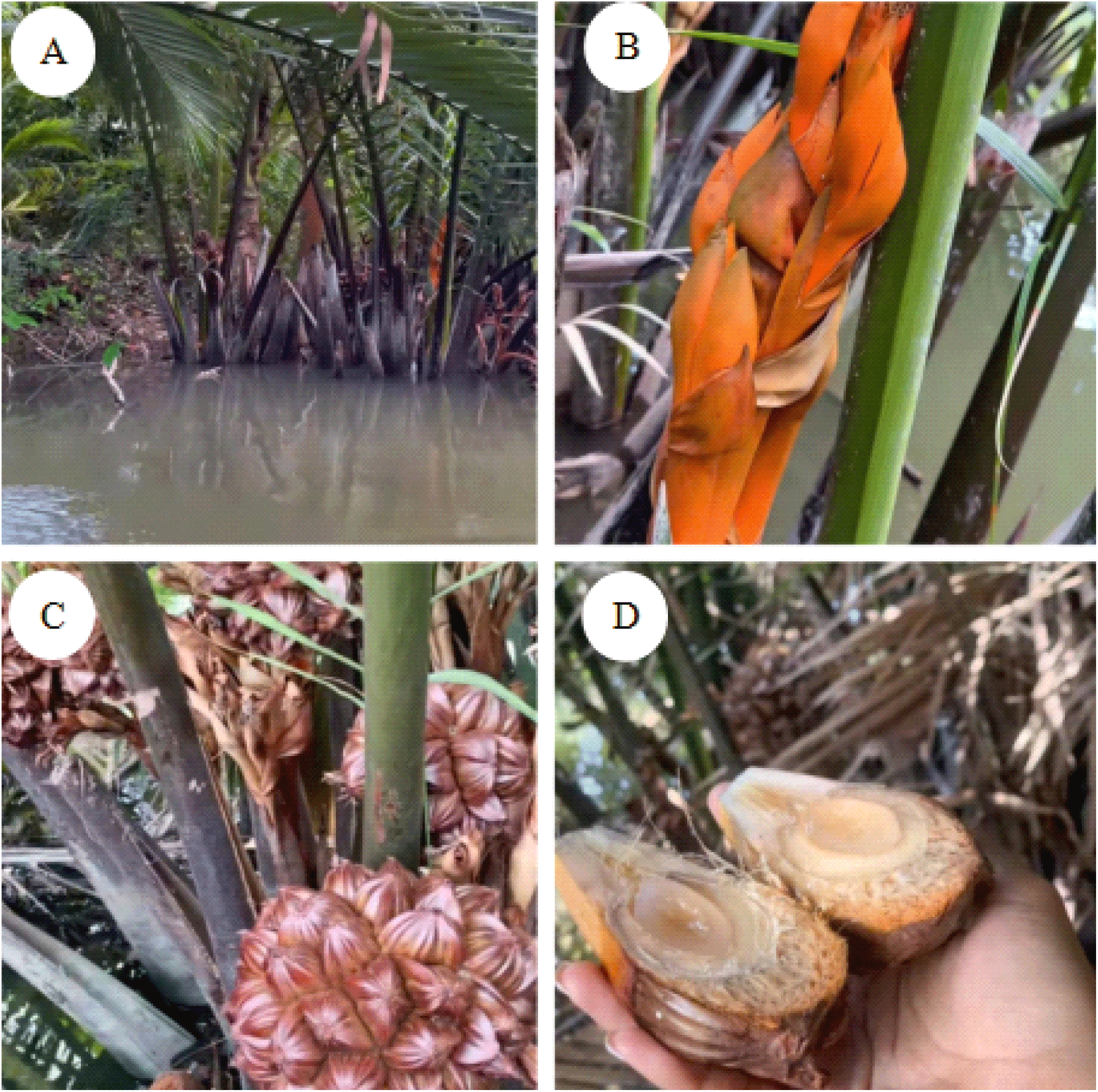
Nipa palm forests sequester substantial amounts of carbon and function as both underground and aboveground carbon sinks. It has been estimated that the carbon content in nipa palm forests is four times higher than that in lowland forests. These ecosystems provide an ideal breeding ground for fish, crabs, and mollusks. Additionally, nipa palm serves as a first line of defense against natural disasters, such as storms, cyclones, and tsunamis, helping to mitigate damage to coastal regions (Hossain and Islam, 2015).
The local population often consumes young fruit and sap obtained from the flower stalks of nipa palm, which is used to produce vinegar, beverages, candies, and alcoholic drinks (Prasad et al., 2013). The young shoots of nipa palm are harvested to extract a sap known as nipa sap (Hafizi et al., 2018). Additionally, nipa can be consumed fresh or fermented in wine (Phetrit et al., 2020).
Recent studies have indicated that nipa palm contains high levels of phenolic and flavonoid compounds, as well as significant antioxidant activity (Sukairi et al., 2019). Based on local knowledge, nipa palm is believed to have therapeutic potential for treating conditions such as fever, gout, kidney stones, and metabolic syndromes, including diabetes and hypertension (Mohd et al., 2011).
2. Chemical components of nipa palm
Most parts of the nipa palm are exploited for their chemical constituents. According to Astuti et al. (2020), an analysis of extracts from the fruit’s endosperm identified volatile compounds using gas chromatography-mass spectrometry (GC-MS). The study detected major volatile compounds, including 5-methylfurfural (42.27%), 2-methyl-3-octanol (36.38%), and furfural (8.19%). With furfural accounting for approximately 10% of the total composition, the endosperm is a promising source for the development of natural products. Furfural, a valuable compound, can be reduced to furfuryl alcohol, which is widely used to produce furan resins. In the industry, furfuryl alcohol is also considered an important refined solvent used in the production of synthetic rubber (Win, 2005). This suggests that the endosperm of nipa palm has significant value not only in the food sector but also in various light industrial applications, such as rubber, plastics, and other products.
Additionally, ethanol extracts from the leaves of nipa palm contain numerous noteworthy bioactive compounds. GC-MS analysis has revealed the presence of over 54 compounds, with significant quantities of sitosterol (12.11%), tocopherol (7.01%), and phytol (8.54%) (Noviana and Johannes, 2022). Sitosterol, a widely distributed phytosterol, plays a critical role in stabilizing cell membranes and has been shown to treat various types of cancer through different pathways (Bin and Ameen, 2015). Phytol exhibits cytotoxic potential against several cancer cell lines, including those of leukemia, breast, prostate, and lung origin, making it a promising candidate for cancer treatment (Gliszczyńska et al., 2021). Currently, nipa palm leaves are primarily used for thatching roofs, constructing walls, and producing cigarette paper; however, their economic value remains relatively low (Eseyin and Steele, 2015).
Nonetheless, many opportunities for further research and practical applications involving nipa palm leaves remain untapped. The abundance of bioactive compounds in nipa palm leaves not only benefits the medical field but can also enhance the nutritional value of food products. Therefore, exploring and applying nipa palm leaves may offer new prospects for health and food industries in the future, contributing to public health improvement and sustainable development.
3. Phytochemical in parts of nipa palm
Table 1 shows that the fruit and husk of nipa palm are rich in bioactive compounds, including tannins, alkaloids, saponins, polyphenols, flavonoids, quinones, steroids, and triterpenoids (Fitri et al., 2023). The diversity and abundance of these bioactive constituents suggest that nipa palm holds potential for novel applications in medicine and pharmacology, representing an area that warrants further exploration.
Data from Fitri et al. (2023).
Data from Effendi et al. (2022).
Data from Astuti et al. (2020).
Data from Sukairi et al. (2019).
Data from Dagalea et al. (2022).
Flavonoids, polyphenols, and tannins are the predominant bioactive compounds found in various parts of the nipa palm. Yusoff et al. (2015) also identified the ability of these compounds to regulate blood sugar levels. Flavonoids demonstrate antidiabetic properties by promoting cell proliferation, enhancing insulin production, reducing apoptosis, and supporting glucose metabolism in the liver through improved glycemic control. The presence of polyphenols has been shown to lower blood glucose concentrations in diabetic patients and those at risk of diabetes (Al-Ishaq et al., 2019). According to Xiao et al. (2016), fruit husks contain glycosides that exhibit antioxidant, anticancer, antitumor, anti-inflammatory, antidiabetic, antibacterial, and antifungal activities. Previous research has indicated the presence of tannins in various parts of the plant but has not yet classified their specific types. Since each type of tannin has unique structures and properties, it can lead to distinct applications in various fields, including food, cosmetics, and pharmaceuticals. Thus, analyzing and identifying specific types of tannins in different parts of the nipa palm will offer new and exciting avenues for research.
Additionally, alkaloids are compounds frequently found in various plant species. Table 1 indicates that alkaloids are predominantly present in parts such as the husk, fruit, leaves, and oil. Alkaloids have been shown to have both beneficial and harmful effects. Posadas et al. (2013) demonstrated that some alkaloids acted as analgesics, with effectiveness 100–200 times greater than that of opioid morphine and over 30 times more potent than nicotine. However, to date, no studies have determined whether the alkaloids present in nipa palm are beneficial or harmful. Therefore, identifying specific alkaloids in different parts of the nipa palm is crucial for ensuring the safe and effective use of medicinal applications.
Furthermore, all the aforementioned compounds are bioactive macromolecules, and studying their properties and biological activities can clarify their mechanisms of action, potentially leading to the development of new products with high commercial value. Consequently, harnessing the potential of nipa palm can contribute to sustainable development in the food and pharmaceutical industries, while also enhancing the value of natural resources.
4. Antioxidant capacity and total polyphenol content (TPC) in parts of the nipa palm
The concentration of antioxidants required to reduce the initial 2,2-diphenyl-1-picrylhydrazyl (DPPH) concentration by 50% (IC50) is a widely used parameter for measuring antioxidant activity. A lower IC50 value corresponds to a higher antioxidant capability (Brighente et al., 2007). The highest and lowest antioxidant activities (IC50) among the plant parts have been observed for the sap (IC50=0.03336± 0.96 mg/mL) and fruit husk (IC50=2.42±0.27 mg/mL), respectively (Yahaya et al., 2021). This discrepancy reflects the unique chemical properties of each part of the plant, indicating that the sap has significant potential to protect cells from oxidative damage. The TPC in Table 2 is highest in young shoots (299.9±9.5 mg GAE/g) and lowest in ripe fruit (28.25 mg GAE/g) (Fitri et al., 2023; Shin et al., 2018). This suggests that young shoots are not only nutritionally rich but also possess superior antioxidant properties, making them suitable for the development of functional food ingredients.
| Part | Antioxidant IC50 (mg/mL) | TPC (mg GAE/g) | References |
|---|---|---|---|
| Young leaves | 1.31±0.20 | 205.97±0.02 | Aziz and Jack (2015) |
| Matured leaves | 1.52±0.06 | 299.06±0.02 | |
| Fruit husk | 2.42±0.27 | 30.78±0.01 | |
| Unripe fruit | NT1) | 29.27 | Fitri et al. (2023) |
| Ripe fruit | NT | 28.25 | |
| Sap | 0.033±0.001 | NT | Yahaya et al. (2021) |
| Young shoots | NT | 299.94±9.51 | Shin et al. (2018) |
| Flower stalk | 0.017±0.00 | 201.91 | Lee et al. (2017) |
The TPC of unripe (29.27 mg GAE/g) and ripe fruit (28.25 mg GAE/g) shows minimal variation, indicating that the ripening process does not significantly affect the accumulation of phenolic compounds in fruit. In contrast, the total phenolic content in mature leaves is higher than that in young leaves, likely due to the presence of lignin and tannins in nipa palm leaves, which synthesize phenols and various soluble phenolic precursors. As the leaves mature, the biosynthetic pathway shifts from soluble phenols to lignin and tannins. Abiven et al. (2011) clearly demonstrated that these polymers accumulate, thereby increasing the phenolic content in leaves. This indicates that plant development not only enriches the nutritional profile but may also generate valuable compounds for health protection. From these findings, it can be concluded that exploiting nipa palm leaves, particularly mature leaves, can provide a rich source of polyphenols, with the possibility of applications in the food and pharmaceutical industries. This understanding not only optimizes the utilization of different plant parts but also facilitates the development of new products with potential health benefits.
The fruit husk, often regarded as a waste product, contains significant amounts of polyphenols comparable to the fruit flesh itself. Some studies have indicated that the polyphenol content in the husk may surpass that of other materials: 128.19±3.94 (mg GAE/g DW) in Bidens pilosa L. flowers (Nguyen et al., 2023), 120.92 (mg GAE/g DW) in Mentha aquatica Linn. var. Crispa (Hoai et al., 2023), and 2.13±0.02 (mg GAE/g DW) in Polyscias fruticosa (L.) Harms (Quoc and Anh, 2023). Notably, the nipa palm husk comprises over 70% of the total fruit weight, indicating its significant potential for polyphenol extraction. Utilizing this raw material not only helps reduce waste but also presents opportunities for medicinal applications thanks to the health benefits of polyphenols, including antioxidant, anti-inflammatory, and therapeutic properties for various conditions. Therefore, researching and developing extraction methods from fruit husks represents a promising avenue for the food and pharmaceutical industries.
With a phenolic content of 299.9±9.5 mg GAE/g, young shoots exhibit high nutritional value and outstanding antioxidant capacity, making them suitable for the development of functional food components. Burkill (2016) found that juice from young shoots had the potential to treat herpes, a virus that causes infections in humans (Lycke and Norrby, 1991). However, this application remains underexplored and requires further in-depth studies to establish its efficacy and safety. Young shoots contain high levels of polyphenols, which are renowned for their antioxidant properties. Nonetheless, the antioxidant potential of young shoots has not been comprehensively assessed. Further investigation into their antioxidant capabilities can clarify whether juice from young shoots can aid in treatment and protect the body from free radical-induced damage, while also offering new opportunities for natural therapies in the future.
5. Antibacterial activity in parts of the nipa palm
Previous studies have identified the antibacterial properties of various parts of the nipa palm. The choice of solvent has a significant influence on the extraction efficiency of these bioactive compounds. In this study, we focused on the antibacterial efficacy of extracts obtained using water, ethanol, and ethyl acetate. The results are presented in Table 3, highlighting the comparative effectiveness of each solvent in inhibiting bacterial growth. This analysis not only sheds light on the optimal extraction methods for harnessing the antibacterial potential of nipa palm but also contributes to our understanding of its applications in natural medicine and food preservation. Further exploration of these findings may lead to the development of effective antimicrobial agents derived from this abundant natural resource.
Data from Effendi et al. (2022), Lovly and Teresa (2018).
Data from Lovly and Teresa (2018).
Data from Shin et al. (2018).
The antibacterial activity of various parts of the nipa palm has been investigated using the disk diffusion method. In this technique, the zones of inhibition are measured in mm±SD, following the protocol established by Bauer et al. (1966). Based on the diameter of these inhibition zones, the antibacterial activity can be classified into several categories: weak (diameter <5 mm), moderate (diameter 5-10 mm), strong (diameter 10-20 mm), and very strong (diameter >20 mm) (Matuschek et al., 2014). This classification allows researchers to quantify the efficacy of the extracts against specific bacterial strains, providing clearer insights into their potential therapeutic applications.
Lovly and Teresa (2018) found that ethanol extracts from nipa palm leaves had robust antibacterial effects against two bacterial strains, Bacillus subtilis and Pseudomonas aeruginosa, with inhibition zones measuring 21.00±2.16 and 21.00±4.49 mm, respectively. These results indicate that the antibacterial activity of the extract falls within the very strong category, suggesting the feasibility of utilizing nipa palm leaves as a natural antibacterial agent. Aziz and Jack (2015) further highlighted that the total phenolic content in nipa palm leaves reached 299.06±0.02 mg GAE/g, reflecting the abundance of polyphenol compounds. Similarly, Saibabu et al. (2015) confirmed the positive impact of polyphenols on antibacterial activity, reinforcing the correlation between polyphenol content and antibacterial efficacy. Consequently, further research on these compounds could provide valuable insights for the development of natural antibacterial products, thereby promoting the application of the nipa palm in medicine and public health protection.
Lovly and Teresa (2018) reported that the antibacterial activity against Pseudomonas aeruginosa of extracts from the trunk of nipa palm yielded strong results when extracted with water (10.20±0.72 mm), moderate results when extracted with ethanol (7.03±0.55 mm), and weak results when extracted with ethyl acetate. Antimicrobial activity may depend on the extraction solvent used, which can yield various bioactive compounds with differing antibacterial efficacy, particularly polyphenols.
Solvent selection plays a crucial role in determining antibacterial potency. Aqueous and ethanol extraction methods are widely used in various applications due to their safety and non-toxicity. They efficiently extract compounds due to their excellent solubility of biological components, thus optimizing the extraction process and improving the quality of the final product. Their ease of application in industrial and research processes makes them a popular choice in extraction and purification. In contrast, ethyl acetate, although having some specific applications, is limited by its toxicity. The need to remove the solvent after extraction not only complicates the process but can also reduce the recovery of valuable compounds, thus affecting the quality of the final product. Furthermore, the study of unextracted plant parts of the nipa palm can lead to new discoveries. These parts may contain potential antimicrobial compounds, opening up opportunities for developing new, environmentally friendly natural products of considerable value in the pharmaceutical and food industries. Optimizing safe and effective extraction methods from these parts would increase their added value and promote the conservation and sustainable use of plant resources. Depending on the intended application, selecting the appropriate solvent is crucial. The food technology sector is leaning towards using naturally derived extracts for product preservation. Although there are no official reports on the direct application of these extracts in food, this could become a “new trend” in the near future.
6. Pharmacological activity in parts of nipa palm
The potential of various parts of the nipa palm to contain active compounds, such as polyphenols, tannins, and steroids, underscores its significant applicability, particularly in the realm of anti-inflammatory properties. These bioactive compounds have been extensively studied for their role in mitigating inflammation, a critical factor in many chronic diseases. The data presented in Table 4 illustrate the anti-inflammatory activity associated with these extracts, providing a clearer understanding of their effectiveness.
| Part | Subjects | Dosage | Effects | Inhibition (%) | References |
|---|---|---|---|---|---|
| Leaves + stem | Swiss albino mice (male) | 600 (mg/kg) | Antihyperglycemic and pain reliever | 39.88 | Reza et al. (2011) |
| Fruits | RAW 264.7 | 200 (μg/mL) | Inhibition of nitrite and cytokine production | - | Bae and Park (2016) |
| Female mice C57BL/6 | 100 (mg/kg) | Prevent acute pancreatitis | - | Bae (2020) | |
| Healthy adult male Sprague-Dawley rats | 500 (mg/kg) | Mechanism of antidiabetic | - | Yusoff et al. (2015) | |
| Young mice with diabetes | 1000 (mg/kg) | Antihyperglycemic | 57.90 | Yusoff et al. (2017) | |
| Flower stalk | Male Sprague–Dawley rats | 500 (mg/kg) | TRPV1 inhibition in sciatica | - | Kang and Hyun (2020) |
Furthermore, water extracts from the sap exhibited significant anti-diabetic activity in both in vitro and in vivo models. They reduced carbohydrate absorption by inhibiting glucose transporters in the intestines, thereby diminishing postprandial hyperglycemia (Yusoff et al., 2017). Additionally, Bae and Park (2016) found that water extracts from the fruit inhibited the degradation of Iκ-Bα and the translocation of NF-κB into the nucleus in RAW 264.7 models. This suggests that the fruit inhibits NF-κB activity and suppresses the production of inflammatory mediators, potentially blocking the formation of nitrite and pro-inflammatory cytokines. And Bae (2020) published a study demonstrating that water extract from fruit peels of nipa palm is not only safe but also has the potential to prevent pancreatitis in female mice. This research indicated that compounds within the fruit peels exhibit strong anti-inflammatory properties, aiding in the protection of the pancreas from damage caused by harmful factors. Through experiments, Bae (2020) and the research team observed a significant reduction in markers of pancreatic inflammation, highlighting the potential of this extract in developing new treatments for pancreatic-related diseases in humans. These findings not only open new avenues in medical research but also underscore the value of natural ingredients in enhancing health.
Moreover, Kang and Hyun (2020) revealed that flower stalk extracts have analgesic and anti-inflammatory effects by modulating TRPV1 in models of sciatic nerve pain. This study highlights the pain-relieving and anti-inflammatory properties of the flower stalk, which inhibit TRPV1 in nerve injury models induced by compression. Additionally, extracts from a mixture of leaves and stems have shown anti-hyperglycemic activity in glucose-loaded hyperglycemic mice, with significant hypoglycemic effects observed at all dosages. The highest concentration of 600 mg/kg resulted in a 39.88% reduction (Reza et al., 2011).
These findings underscore the impressive anti-inflammatory potential of nipa palm. However, all of these studies were conducted in mice and have yet to be evaluated clinically in humans. This represents a significant challenge in scientific research, necessitating continued investigation and a thorough understanding of the future. Conducting studies in humans is not straightforward; it requires substantial time, effort, and resources. Therefore, bridging this knowledge gap will involve a lengthy process that demands persistence and dedication from researchers and institutions. Only then can we achieve comprehensive insights and make significant advancements in science.
7. Applications of nipa palm in food
In Thailand, a well-known product derived from the nipa palm is syrup made from its sap. This syrup is concentrated to obtain a thick, translucent liquid with a Brix level of ≥65 °Brix (Phetrit et al., 2020). Additionally, nipa sap can be utilized to produce various alcoholic beverages or further fermented to create nipa vinegar (Cheablam and Chanklap, 2020; Francisco-Ortega and Zona, 2013). The fermentation process consists of two stages. In the first stage, yeast converts carbohydrates and sugars into alcohol and carbon dioxide. In the second stage of aerobic fermentation, acetic bacteria convert ethanol into acetic acid (Laklaeng and Kwanhian, 2020; Senghoi and Klangbud, 2021).
Activated carbon produced from nipa palm waste has also been incorporated into the beverage process to enhance its aroma and visual appeal. Wijana et al. (2023) studied the addition of activated carbon from nipa palm husks to herbal drinks made from mangosteen rinds and noni fruits. This addition clarified the beverages and adsorbed undesirable colors and odors, thereby enhancing sensory appeal. However, a notable reduction in phenolic content and antioxidant capacity was observed. Identifying solutions to mitigate this issue is an interesting research direction.
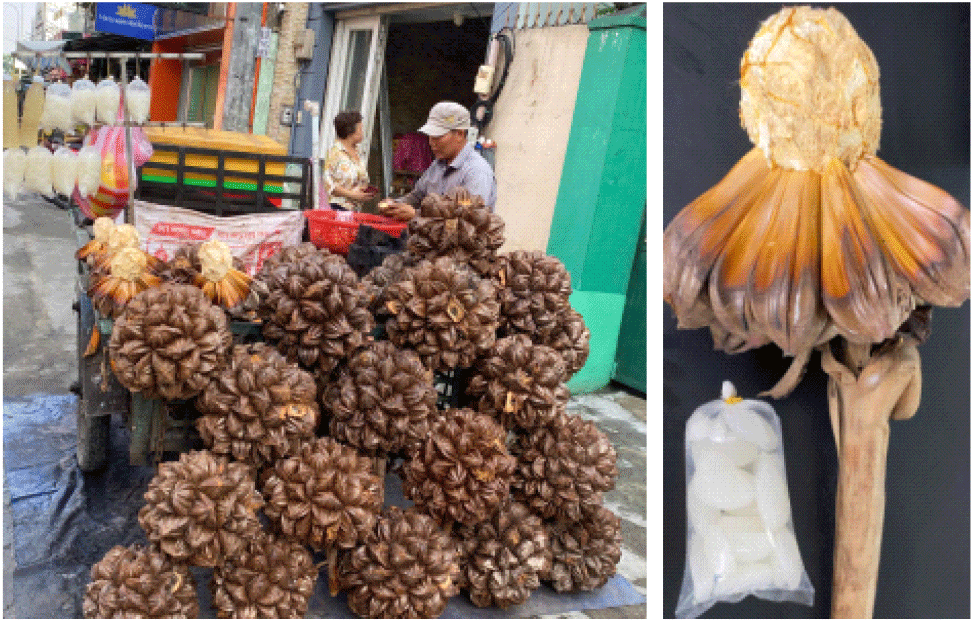
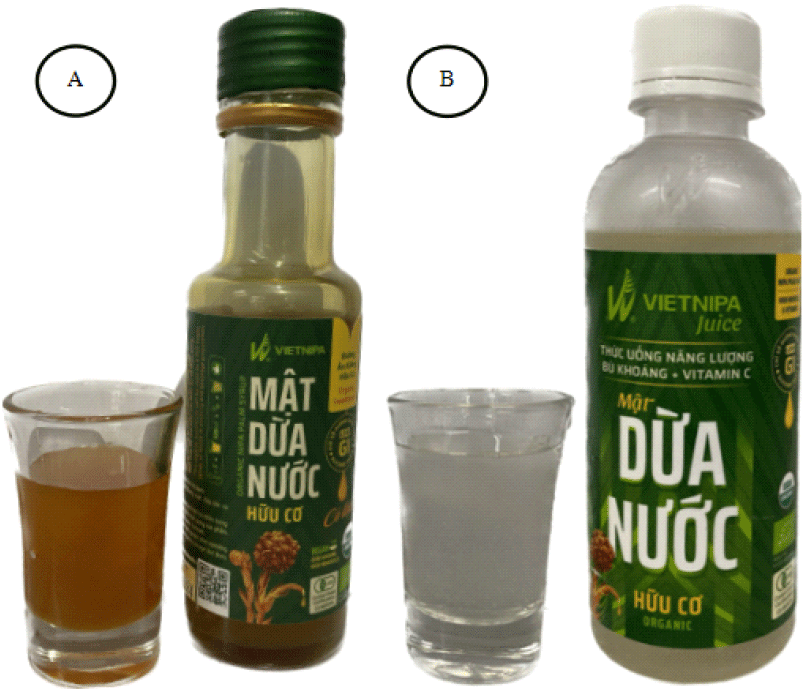
In Vietnam, nipa palm is commonly sold along roadsides from small carts, contributing to a unique culinary culture. The fruit pods are scraped and packaged into small bags for sale. Nipa sap, a popular refreshing drink, is often served with ice and accompanied by fresh palm meat. However, from a nina palm fruit punch weighing approximately 20 kg, only about 200 g of palm meat is obtained, with each bag retailing for approximately 0.8 USD (Fig. 2). In addition to fresh consumption, nipa palm is also processed into high-value industrial products, such as concentrated nipa syrup, nipa sugar (suitable for dieters), nipa sap (Fig. 3), freeze-dried nipa palm, and canned nipa products. For instance, freeze-dried nipa can sell for up to 32 USD per 400 g, while nipa sugar is nearly 4 USD per 150 g, and concentrated syrup is sold at 2.8 USD per 150 g.
Despite its high market potential, the production of nipa palm in Vietnam has not yet been systematically developed at an industrial scale. Most consumers still primarily purchase it fresh, resulting in significant waste during the harvest season when not all produce can be consumed. Furthermore, with increasing demands for food safety, proper processing and storage of nipa palms have become essential. Thus, integrating nipa palm into industrial production not only aids in effective preservation and storage but also enhances economic value for farming households. Supportive policies to promote the nipa palm processing industry would bring substantial economic benefits to local farmers while contributing to sustainable development and environmental conservation.
8. Other applications of nipa palm
In addition to its applications in medicine and food, nipa palm sap is processed into bioethanol. This biofuel is relatively expensive, particularly in meeting energy demands and replacing fossil fuels (Hidayat, 2018). Unlike starch or lignocellulosic materials, free sugars are readily available for ethanol production, bypassing complex pretreatment and hydrolysis processes (Zabed et al., 2014). Lignocellulosic materials require additional nutrients to support bacterial activity during fermentation (Ingram et al., 1998). In contrast, nipa palm sap contains inorganic compounds, amino acids, and vitamins that can serve as nutrients in the fermentation process (Kosugi et al., 2020).
In Thailand, nipa palm husks are utilized to produce activated carbon. After washing, the husks are dried, crushed, and screened to a size of less than 1 mm. Nipa husks have shown promising results in terms of their chemical properties as precursors for activated carbon development due to their relatively high carbon content and low ash content (Piyamawadee et al., 2022).
Moreover, nipa palm leaves, considered agricultural waste, are also being studied to produce pure cellulose using a combined hydrolysis method. Waste from nipa palm leaves is considered a promising raw material for producing pure cellulose and its derivatives, as well as biofuels and chemicals, due to its significant α-cellulose content and relatively low lignin content, specifically 37.3% and 18.3%, respectively (Evelyn et al., 2022).
Additionally, Harun et al. (2021) have found that nipa palm fruit husks could be used as biomass fuel pellets. These husks possessed a high calorific value, reaching up to 3,843.5 kcal/kg, with analyses, indicating that their carbon content exceeded that of other plant parts. Pellets made from nipa husks not only offer high calorific value but also share similarities with industrial fuel pellets, presenting new opportunities for applications in renewable energy.
9. Future potential of nipa palm
The nipa palm thrives abundantly in Malaysia and Vietnam, where the landscapes are characterized by numerous canals, rivers, and coastlines that provide favorable conditions for its robust growth. The various components of the nipa palm hold significant future potential across multiple sectors. The high carbon and low ash contents of nipa husks may position them as ideal raw materials for activated carbon production, catering to the growing demand for environmentally friendly products and water filtration. The leaves, rich in α-cellulose and low in lignin, can be processed into pure cellulose and utilized in biofuel production, thereby minimizing agricultural waste.
Furthermore, the sap and fruit of the nipa palm are gaining attention in the food and pharmaceutical industries due to their nutritional properties and health benefits. Processed products such as nipa syrup and nipa sugar offer added economic value to farmers while fulfilling market demand.
With the trend toward sustainable development and the use of natural ingredients, nipa palm products can help reduce waste and contribute to environmental protection. Comprehensive research and sustainable exploitation of nipa palm resources not only offer economic benefits but also support long-term environmental and social sustainability.
10. Conclusions
Nipa palm, with its vast economic potential from multiple components, offers diverse benefits for human life. Research has demonstrated the richness of its nutritional and chemical constituents, including carbohydrates, lipids, proteins, vitamins, and minerals, as well as phenolic compounds, saponins, tannins, and steroids. These components contribute to various biological activities, including anti-inflammatory, antibacterial, and antioxidant effects, as well as blood pressure regulation, blood sugar stabilization, and cancer prevention. In addition to its medicinal potential, exploring other applications of the nipa palm, particularly its stems and leaves, in agriculture, industry, and tourism, is a priority research direction. With its numerous advantages, nipa palm promises to play a vital role in sustainable development, enhancing people’s quality of life in both daily nutrition and healthcare.


